Essential Ingredients for Crafting a Flavorful Vegetarian Stir-Fry
Which Vegetables Are Ideal for Creating Delectable Stir-Fry Dishes?
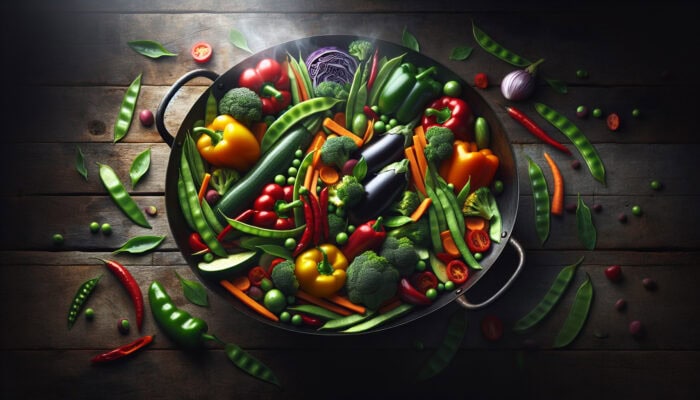
To master the art of a successful vegetarian stir-fry, one must focus on selecting the right vegetables that not only showcase vibrant colours but also provide a complex array of textures and flavours. Incorporating fresh produce like bell peppers, broccoli, snow peas, and carrots is essential, as these vegetables preserve their crispness even under high heat. For instance, bell peppers contribute a sweet yet slightly tangy flavour, while broccoli forms a robust and earthy base for your dish. Moreover, zucchini and eggplant add unique textures and excel at absorbing flavours, making them invaluable partners in any stir-fry masterpiece.
To create a harmonious blend of taste and nutrition, it is imperative to incorporate a spectrum of colours into your stir-fry. Adding dark leafy greens like bok choy or kale not only boosts the dish's nutritional content with vital vitamins and minerals but also creates a stunning visual contrast on the plate. The combination of these greens with vibrant vegetables results in visually striking dishes that stimulate the senses. Imagine a classic stir-fry featuring broccoli, carrots, and bell peppers that harmonise their respective crunch and sweetness, culminating in a delightful symphony of flavours that truly enchants the palate.
Another vital aspect to consider is the seasonality of your vegetables. For example, spring in Australia presents a delightful selection of fresh asparagus and peas, which can be easily incorporated into a stir-fry to impart a seasonal touch. As you delve into various international cuisines, take note of how local vegetables shine. In Southeast Asian stir-fries, you might discover baby corn or water chestnuts, which offer a delightful textural contrast that pairs beautifully with softer vegetables. Always prioritise the freshest produce available to ensure your stir-fries are bursting with flavour and packed with essential nutrients.
What Key Spices and Herbs Should You Incorporate for Maximum Flavour?
Seasoning serves as the backbone of flavour in any stir-fry, and the ideal blend of spices and herbs can elevate your dish without overshadowing the fresh ingredients. Essential aromatics like garlic and ginger lay the foundation for a myriad of delectable stir-fry recipes. Garlic imparts a pungent, earthy undertone, while ginger adds a zesty warmth that beautifully complements the inherent sweetness of the vegetables in your dish.
To preserve vibrancy in your meals, consider utilising low-sodium soy sauce or tamari as a base for your sauces, enhancing the umami flavour without overwhelming saltiness. Experimenting with chili flakes or fresh chilies can introduce varying levels of heat, catering to individual preferences. A drizzle of sesame oil brings a nutty depth characteristic of many Asian cuisines, enriching your stir-fry with both flavour and a subtle richness.
Proper storage and preparation of herbs such as coriander and basil are crucial for retaining their freshness and potency. To store herbs effectively, keep them upright in water in the fridge or wrap them in a damp paper towel to maintain their vibrancy. Chopping herbs just before use maximises their flavour potential. For an explosion of taste, infuse oils with spices by gently warming them before adding to your stir-fry; this simple technique can completely transform the overall flavour profile of your dish.
Which Protein Alternatives Can Enhance Your Stir-Fry Experience?
Integrating protein alternatives into your vegetarian stir-fry not only boosts satiety but also enhances the overall nutritional profile of your meals. Tofu, available in various forms—firm, silken, or extra-firm—serves as a versatile base that absorbs flavours beautifully, whether marinated or prepared plainly. Another excellent option is tempeh, a fermented soybean product renowned for its hearty texture and nutty flavour, making it an ideal addition to your stir-fry for a protein boost and an added depth of taste.
Legumes such as chickpeas, lentils, and black beans also provide exceptional sources of protein. These ingredients are not only rich in protein but also high in fibre, promoting feelings of fullness. Including these plant-based proteins can significantly enhance the overall health benefits of your stir-fry. Here are several key advantages to consider when integrating these proteins into your dishes:
- High in protein: Essential for muscle maintenance and overall health.
- Rich in fibre: Supports digestive health and contributes to satiety.
- Low in calories: Aids in weight management without sacrificing satisfaction.
- Versatile: Easily absorbs flavours and complements diverse cuisines.
As you explore different protein options, consider blending various sources for a more complex dish. A stir-fry featuring both tofu and black beans can create a delightful harmony of textures and flavours, appealing to a broad range of palates and dietary preferences.
What Techniques Are Essential for Achieving the Perfect Stir-Fry Texture?

Which Cooking Techniques Ensure Your Vegetables Retain Their Crispiness?
Achieving the ideal texture in a stir-fry is crucial and revolves around the cooking techniques you employ. High-heat stir-frying is the gold standard for preserving the crispiness of vegetables while ensuring they cook thoroughly. To execute this effectively, preheat your wok or pan until it is smoking hot; this rapid cooking method seals in moisture and maintains the natural crunch of the vegetables.
An effective technique involves chopping your ingredients into uniform sizes. This method ensures even cooking, as smaller pieces will cook faster than larger ones. Moreover, it is vital to introduce vegetables to the pan in stages, starting with those that require longer cooking times, such as carrots and broccoli, before adding quicker-cooking options like spinach or snow peas. This method of layering cooking times helps achieve the perfect balance between tenderness and crispness.
Another tip is to avoid overcrowding the pan. When too many ingredients are added at once, it lowers the pan’s temperature, resulting in steaming rather than stir-frying. If you're preparing a large batch, consider cooking in smaller sections. Finally, a quick toss with your spatula will help the vegetables retain their shape and texture, preventing them from becoming mushy. By employing these techniques, you can create a stir-fry that delights the senses with every crunchy bite.
How Does Oil Selection Influence the Results of Your Stir-Fry?
The choice of oil plays a critical role in shaping both the flavour and cooking process of your stir-fry. Different oils possess unique flavour profiles and smoke points, which can directly influence the final dish. Peanut oil is a popular choice due to its high smoke point and mild flavour, making it ideal for high-heat cooking. Alternatively, canola oil or sunflower oil are neutral oils that do not overshadow the flavours of your vegetables and spices.
When selecting your oil, consider the health aspects as well. Extra virgin olive oil, while having a lower smoke point, is rich in healthy fats and can be utilised for lighter stir-fries or added at the end for a flavour boost. Using oils high in omega-3s, like flaxseed oil, can also provide additional health benefits, enriching the nutritional profile of your dish.
Understanding the smoke points of different oils is vital to prevent burning. For high-heat stir-frying, choose oils with a smoke point above 200°C (392°F) to ensure you do not compromise the flavour or nutritional value. By selecting the right oil, you can enhance your stir-fry, enriching its overall taste while positively contributing to your dietary needs.
What Timing Tips Ensure Balanced Cooking in Stir-Fry?

Timing is critical in achieving a well-cooked stir-fry that highlights the freshness of its ingredients. To prevent overcooking, it is essential to monitor both the heat and duration for each component. Start by preparing all your ingredients beforehand, as stir-frying is a fast-paced cooking method that demands your complete attention once you initiate the process.
To ensure balanced cooking, begin with the vegetables that require longer cooking times, like carrots, broccoli, and bell peppers. Allow them to sauté for a few minutes before introducing softer vegetables such as zucchini or leafy greens. This technique guarantees that each ingredient reaches its peak tenderness without sacrificing that desirable crunch.
Another useful tip is to taste as you cook. This practice allows you to evaluate the doneness of each ingredient and adjust cooking times accordingly. Remember, stir-frying is all about quick, high-heat cooking, so be prepared to lower the heat slightly if you notice things cooking too quickly. This mindful approach to timing will help you achieve the perfect texture and flavour balance in your stir-fry, resulting in a mouthwatering dish every time.
Expert Insights on Crafting Outstanding Vegetarian Stir-Fry Recipes
What Key Elements Differentiate an Exceptional Stir-Fry Recipe?
An outstanding stir-fry recipe is characterised by its harmonious balance of flavours, textures, and colours. The delicate interplay of sweet, salty, sour, and umami notes elevates a dish from basic to extraordinary. By thoughtfully considering the balance of these flavours, you can create meals that cater to diverse palates while ensuring satisfaction with every bite. For instance, adding a sweet element like pineapple or bell peppers can enhance your dish while counterbalancing stronger flavours such as soy sauce or garlic.
Texture is equally important; a successful stir-fry should provide a medley of crunchiness from vegetables, tenderness from proteins, and a silky sauce that unifies everything. Expert chefs often recommend using a combination of fresh and frozen ingredients to introduce layers of texture. For example, pairing crisp fresh vegetables with tender frozen edamame can add varied mouthfeel and excitement to your dish.
Lastly, presentation plays a crucial role. A visually appealing dish enhances the overall experience. Artistic plating garnished with sliced spring onions, sesame seeds, or a sprinkle of fresh herbs adds the finishing touches. A dish that looks good not only elevates the dining experience but also appeals to the senses, making the meal more memorable and enjoyable.
What Preparation Secrets Do Professional Chefs Use to Excel?
Professional chefs often employ a repertoire of techniques that empower them to prepare stir-fries with remarkable speed and efficiency. One key preparation secret is the art of precise chopping. Uniformly cutting vegetables not only ensures even cooking but also enhances the dish’s visual appeal. Investing time in mastering your knife skills can significantly elevate your cooking, allowing you to create dishes with the finesse of a professional in your kitchen.
Another technique favoured by chefs is mise en place—a French culinary term meaning “everything in its place.” This method entails preparing all your ingredients prior to cooking. By having vegetables washed, chopped, and sauces prepped in advance, you can execute your stir-fry quickly and seamlessly, which is critical given the rapid cooking time of stir-fries.
Moreover, utilising high-quality non-stick or carbon steel woks can greatly influence your cooking experience. These pans heat up quickly and distribute heat evenly, which is crucial for achieving that perfect sear on your ingredients. By employing these techniques, home cooks can replicate the efficiency and precision of professional kitchens, ensuring that every stir-fry turns out beautifully.
What Advanced Techniques Can Enhance Flavours in Your Stir-Fry?
To transform a basic stir-fry into an extraordinary culinary experience, consider incorporating advanced flavour enhancements. Techniques such as marinating proteins before cooking can infuse them with depth and complexity. For instance, marinating tofu in a mix of soy sauce, ginger, and garlic for at least 30 minutes can significantly amplify its taste when cooked.
Another innovative method involves creating flavour infusions. Infusing oils with aromatics such as garlic or herbs can enhance the base of your dish. Simply heat a neutral oil with crushed garlic or fresh herbs to release their flavours, then use this infused oil as a cooking medium to elevate your stir-fry.
Incorporating unexpected ingredients can also surprise and delight. For example, a splash of citrus juice or a sprinkle of zest at the end of cooking can brighten flavours and add a refreshing twist. Nuts such as cashews or almonds can provide a delightful crunch and distinct taste; toasting them lightly before adding them to your stir-fry can bring out their natural oils and enhance their flavour profile.
These advanced techniques can transform simple stir-fry recipes into extraordinary meals, encouraging creativity and exploration in the kitchen.
What Expert Advice Exists for Choosing Fresh Ingredients?
Selecting fresh ingredients is vital for creating delicious vegetarian stir-fries. Expert chefs often prioritise seasonal vegetables to ensure peak freshness and flavour. Seasonal produce not only offers the best tastes but also supports local agriculture, promoting sustainability. In Australia, visiting local markets can provide insights into what vegetables are in season and inspire your stir-fry creations.
When choosing vegetables, look for vibrant colours, firm textures, and no signs of wilting or browning. For leafy greens, ensure they are crisp and bright, while for root vegetables, a smooth surface indicates freshness. Furthermore, purchasing from local farmers can enhance flavour profiles, as these vegetables are often harvested at their peak ripeness, ensuring optimal taste and nutrition.
Don’t underestimate the power of herbs, as they can significantly elevate flavour. Fresh herbs like coriander, basil, and mint can be added just before serving to provide a burst of freshness. Properly storing herbs—either in a glass of water in the fridge or wrapped in a damp paper towel—ensures they stay fresh for longer. By choosing seasonal and high-quality ingredients, you can elevate your stir-fry, guaranteeing it is both delicious and nutritious.
What Common Mistakes Should You Avoid When Making Vegetarian Stir-Frys?
When preparing vegetarian stir-fries, several common pitfalls can hinder achieving the desired results. One frequent mistake is overcrowding the wok. When too many ingredients are added at once, moisture accumulates, leading to steaming rather than the intended stir-frying. This results in soggy vegetables, negating the desired crispness. To avoid this, cook in small batches if necessary, allowing each ingredient to fry properly.
Another common error is improper seasoning. Many cooks tend to add salt or sauces too early in the cooking process, which can result in overly seasoned or unevenly flavoured dishes. Instead, season towards the end of cooking for better control over flavours. Keep in mind that the intensity of sauces can change during cooking; tasting frequently ensures balance.
Lastly, failing to cut vegetables uniformly can lead to uneven cooking. Larger pieces will take longer to cook, resulting in some ingredients being perfectly tender while others remain crunchy. By ensuring even sizes, you guarantee that all elements of your stir-fry reach the optimal texture simultaneously. By being mindful of these common mistakes, you can elevate your stir-fry game, resulting in dishes that are not only visually appealing but also packed with flavour and satisfaction.
How Do Stir-Fry Recipes Contribute to Health Benefits?
What Nutritional Advantages Do They Offer?
Stir-fry recipes serve as a powerhouse for nutrient intake, primarily due to the abundant use of fresh vegetables. These vibrant ingredients are rich in vitamins, minerals, and antioxidants, contributing to overall wellness. For instance, incorporating broccoli, which is high in vitamin C and fibre, along with capsicum, known for its high levels of vitamins A and C, can significantly enhance your daily nutrient requirements.
Moreover, cooking vegetables quickly over high heat helps retain their vitamins and minerals. Unlike longer cooking methods, stir-frying preserves the integrity of these nutrients, making stir-fries a fantastic way to consume a variety of vegetables in a single meal. When assembling your stir-fry, consider including a rainbow of ingredients to ensure a broader spectrum of nutrients. This diversity not only enhances flavour but also maximises health benefits, making every bite worthwhile.
Adding legumes or plant-based proteins can elevate the nutrient density even further. For example, chickpeas provide both protein and fibre, aiding digestion and promoting satiety. Incorporating a variety of ingredients encourages a balanced intake of essential nutrients necessary for maintaining optimal health, making stir-fries an integral part of a healthy diet.
How Do Stir-Fry Recipes Support Weight Management?
Stir-fry recipes are ideal for weight management due to their low-calorie nature and ability to promote portion control. The emphasis on vegetables and lean proteins means you can enjoy generous servings without excessive calorie consumption. For instance, a vegetable stir-fry brimming with a variety of colourful produce can fill you up while remaining light on the waistline.
Additionally, the high fibre content present in many of the ingredients utilised in stir-fries helps to promote a feeling of fullness. Foods rich in fibre slow down digestion, leading to longer-lasting satiety and reduced cravings for unhealthy snacks. This makes stir-fries an excellent choice for those seeking to maintain or lose weight while enjoying satisfying meals.
Moreover, the flexibility to customise portion sizes allows for better control over calorie intake. By measuring ingredients and adjusting portion sizes according to personal dietary needs, you can tailor your stir-fry to fit any weight management plan. The versatility of stir-fry recipes means they can be easily adapted to suit any dietary preference or goal, further solidifying their role as a beneficial component of a healthy lifestyle.
What Potential Drawbacks Should Be Considered?
While stir-fries are generally healthy, there are potential drawbacks that should be considered, particularly concerning sodium levels. Many sauces, such as soy sauce or teriyaki sauce, can be high in sodium, which, if consumed excessively, may lead to various health issues, including high blood pressure. To mitigate this, opt for low-sodium versions or consider making your own sauces using wholesome ingredients for a healthier alternative.
Another consideration is the use of oils. While healthy fats are essential to a balanced diet, using excessive amounts of oil can lead to increased calorie intake. It’s crucial to measure your oils carefully and consider lighter alternatives like vegetable or chicken broth for added moisture without the extra calories, ensuring a healthier dish overall.
Lastly, be mindful of the choice of proteins in your stir-fry. While options like tofu and legumes are fantastic, it’s essential to balance these with a variety of vegetables to ensure a diverse nutrient profile. Over-relying on one ingredient can lead to nutrient imbalances and limit the health benefits of your meal. By being aware of these potential drawbacks and making conscious choices, you can enjoy the many benefits of stir-fry recipes while maintaining a nutritious and balanced diet.
How Do Stir-Fry Recipes Promote Heart Health?
Stir-fry recipes can significantly contribute to promoting heart health, largely due to the inclusion of beneficial ingredients. Vegetables such as garlic and ginger are known for their cardiovascular benefits. For instance, garlic has been shown to help lower cholesterol levels, while ginger can aid in reducing blood pressure and improving circulation. By incorporating these ingredients into your stir-fry, you enhance flavour while positively impacting heart health.
In Australia, incorporating native ingredients like warrigal greens can further amplify these benefits. Rich in antioxidants and nutrients, these greens not only offer unique flavours but also support cardiovascular function. When creating your stir-fry, consider including a variety of colourful vegetables, as they contain different phytonutrients that support heart health and guard against inflammation, making each dish a step towards better heart health.
Another aspect to consider is the use of healthy fats. Oils such as olive oil and avocado oil, rich in monounsaturated fats, can help reduce bad cholesterol levels and support overall heart health. By balancing these heart-healthy ingredients and making conscious choices, stir-fries can be both delicious and beneficial for cardiovascular wellbeing, contributing to a healthier lifestyle.
What Role Do Stir-Fry Recipes Play in Boosting Immunity?
The fresh vegetables and herbs found in stir-fries play a crucial role in boosting the immune system. Ingredients such as broccoli, spinach, and bell peppers are rich in vitamins A, C, and antioxidants, which are essential for maintaining a robust immune system. Regularly incorporating these nutrients can help the body fend off illnesses and infections, making stir-fries a powerful ally in supporting your health.
Herbs like parsley and coriander not only add flavour but are also packed with vitamins and immune-boosting properties. Cooking with fresh produce ensures that you consume high nutrient density, especially when sourced locally in Australia. Seasonal vegetables are often harvested at their peak nutritional content, providing maximum benefits for your immunity and overall health.
Additionally, the quick cooking method of stir-frying helps preserve the freshness and nutrients of these ingredients, allowing you to reap the health benefits effectively. By creating a diverse range of stir-fry recipes focusing on immune-supportive ingredients, you can build a solid foundation for health resilience and vitality, ensuring your body is well-equipped to fight off illnesses.
Research-Backed Benefits of Top Vegetarian Stir-Fry Recipes
How Do Stir-Fry Recipes Contribute to Heart Health?
Stir-fry recipes that emphasise plant-based ingredients have been linked to improved cardiovascular health. Research indicates that diets rich in fruits, vegetables, and whole grains can significantly reduce the risk of heart disease. Incorporating a variety of colourful vegetables in your stir-fry not only creates a visually appealing dish but also ensures a wealth of nutrients that contribute to heart health, making every meal a step towards better cardiovascular wellness.
Whole foods such as beans, lentils, and whole grains can also be integrated into stir-fries, offering additional fibre and nutrients that support a healthy heart. The flexibility of these recipes allows for the inclusion of various plant-based proteins, which can help replace saturated fats found in animal products. By choosing heart-healthy ingredients and practising mindful cooking techniques, stir-fries can be a delicious and effective way to support cardiovascular wellness, making them a staple in your diet.
What Evidence Supports Their Versatility?
The versatility of stir-fries is evidenced by their adaptability to various dietary preferences and cuisines. Research shows that incorporating a variety of vegetables and proteins can align with numerous dietary patterns, making stir-fries a suitable option for vegetarians, vegans, and omnivores alike. The ability to interchange ingredients allows home cooks to cater to personal tastes while maintaining nutritional balance, making stir-fries a flexible choice for any meal.
Moreover, stir-frying can be adapted to suit different cultural influences, showcasing the global appeal of this cooking method. For instance, adding Thai basil and chillies can give a dish a Southeast Asian flair, while incorporating Italian herbs can provide a Mediterranean twist. This adaptability makes stir-fries an excellent choice for those looking to diversify their diet without sacrificing flavour or nutrition.
What Long-Term Advantages Come from Regular Stir-Fry Consumption?
Regularly consuming stir-fry recipes can lead to sustained improvements in overall health and energy levels. Eating a diet rich in plant-based ingredients has been linked to increased energy due to the high intake of vitamins, minerals, and antioxidants. These nutrients play an essential role in supporting metabolic functions and combating fatigue, making stir-fries an excellent option for those seeking to boost their energy levels.
Moreover, the variety of flavours and textures found in stir-fries encourages continued exploration of healthy eating. This engagement with different ingredients can foster a more positive relationship with food, leading to healthier choices over the long run. By integrating stir-fries into your routine, you can cultivate habits that contribute to sustained health benefits while enjoying delicious meals that nourish your body and soul.
How Do Stir-Fry Recipes Aid in Weight Management?
Research demonstrates that vegetarian stir-fry recipes can effectively support weight management due to their nutrient density and low-calorie nature. Many ingredients, such as vegetables and legumes, are high in fibre and low in calories, making them perfect for maintaining a healthy weight. The fibre content helps promote fullness, reducing the likelihood of overeating and encouraging mindful eating habits.
Portion control is another advantage of stir-fry recipes. The ability to customise serving sizes allows individuals to adapt their meals based on personal dietary needs and goals. For those looking to manage their weight, incorporating more vegetables and lean proteins can create satisfying meals without excess calories. By understanding how to best utilise the ingredients in stir-fry recipes, individuals can achieve sustainable results in their weight management efforts while enjoying flavourful dishes.
What Evidence Supports Their Role in Digestive Health?
Stir-fry recipes, rich in fibre from a variety of vegetables, legumes, and grains, can promote optimal digestive health. High-fibre diets are associated with improved gut health and reduced digestive issues, such as constipation and bloating. The diverse vegetables in stir-fries contribute not only to fibre intake but also to a balanced microbiome, which is essential for overall digestive function.
Incorporating a range of colourful vegetables ensures a wide array of nutrients that can positively affect gut health. For example, ingredients like kale, broccoli, and carrots are not only delicious but also provide antioxidants that support a healthy digestive tract. By regularly consuming fibre-rich stir-fry recipes, individuals can foster better digestion and overall well-being, making stir-fries an essential part of a healthy diet.
Why Should You Experiment with Stir-Fry Variations?
What Creative Twists Can Elevate the Flavours of Your Stir-Fry?
Experimenting with creative twists in stir-fry recipes can significantly enhance the flavours and overall enjoyment of your meal. One of the simplest ways to add excitement is by introducing unexpected ingredients. For instance, incorporating fruits like pineapple or mango can introduce subtle sweetness that beautifully contrasts with savoury elements, creating a delightful balance of flavours.
Another way to shake things up is by experimenting with different sauces or marinades. Instead of the traditional soy sauce, consider using hoisin sauce or sweet and sour sauce for a unique flavour profile. Similarly, adding a dash of coconut milk can provide creaminess and a tropical vibe to your stir-fry, transforming a standard dish into an exotic culinary experience.
Incorporating various cooking methods can also breathe new life into your stir-fries. For example, consider roasting certain vegetables before adding them to your stir-fry for a deeper, caramelised flavour. A sprinkle of toasted sesame seeds or nuts at the end can add a delightful crunch, elevating the dish's texture and flavour. By embracing creativity, you can transform your stir-fries into culinary adventures that are both satisfying and delicious, making mealtime a joyous occasion.
How Can You Adapt Stir-Fry Recipes to Suit Different Preferences?
Adapting stir-fry recipes to different preferences is part of their charm and versatility. Begin by considering individual tastes and dietary restrictions. For those who prefer milder flavours, reduce the amount of garlic and spices or opt for a lighter sauce. Conversely, spice enthusiasts can experiment with varying levels of heat by adding chilli paste or sriracha to enhance their dishes and create a stimulating dining experience.
Personalisation can also extend to ingredients. If someone dislikes a particular vegetable, you can easily substitute it for another they enjoy. For instance, if bell peppers aren’t a favourite, consider using zucchini or broccoli instead. Additionally, providing a variety of protein options, such as tofu, tempeh, or legumes, can accommodate diverse dietary preferences and ensure everyone feels included in the meal.
Moreover, consider incorporating different cultural influences when adapting stir-fry recipes. Exploring unique spice blends or regional ingredients can add new dimensions to the dish, making it appealing to a broader audience. By embracing adaptability, you can create a stir-fry that resonates with different tastes and lifestyles, making mealtimes more enjoyable for everyone involved.
What Unexpected Outcomes Can Arise from Culinary Innovation?
Exploring new variations when preparing stir-fries can lead to delightful surprises. One unexpected outcome may be the discovery of new flavour combinations that elevate the dish beyond the ordinary. For instance, experimenting with sweet and spicy elements can create a surprising balance that tantalises the palate and excites the taste buds.
Incorporating unexpected ingredients can also lead to heightened satisfaction and excitement at mealtimes. By experimenting with different textures, such as including crispy toasted nuts or seeds, you can enhance the overall mouthfeel of your stir-fry, making each bite more engaging and enjoyable. This variety can prevent boredom with meals, encouraging individuals to embrace healthy cooking habits and explore new culinary experiences.
Furthermore, involving family or friends in the cooking process can foster creativity and shared experiences in the kitchen. Engaging others to collaborate on stir-fry variations can lead to a fun cooking session filled with joy and laughter. Through innovation, you can create memorable meals that not only satisfy but also deepen connections with those you share them with, turning cooking into a cherished communal activity.
Tips for Mastering Stir-Fry Techniques
What Common Mistakes Should Be Avoided in Stir-Fry Preparation?
Mastering stir-fry techniques can significantly enhance your cooking experience, but avoiding common mistakes is crucial. One frequent error is failing to prepare ingredients in advance. Stir-frying is a fast-paced cooking method, so having everything prepped and ready to go is essential for success. This practice not only streamlines the cooking process but also reduces the risk of burning ingredients due to lack of attention or organisation.
Another common pitfall is neglecting to heat the wok or pan adequately before adding ingredients. Starting with a cold pan can result in steaming rather than stir-frying, leading to soggy vegetables. Ensuring your cooking surface is hot before adding oil creates the right conditions for quick, high-heat cooking, allowing your ingredients to achieve that perfect texture.
Lastly, many home cooks overlook the importance of using the right tools. A heavy-bottomed wok or a high-quality non-stick pan distributes heat evenly, which is critical for achieving that perfect stir-fried texture. Investing in proper equipment can make a considerable difference, allowing you to master stir-fry techniques with ease and confidence, ensuring every dish is a success.
What Equipment is Essential for Achieving Stir-Fry Success?
Having the right equipment is crucial for achieving success in stir-fry cooking. A high-quality wok is essential for even heat distribution and fast cooking, enabling you to achieve that sought-after crispy texture. Look for woks made of carbon steel, as they heat up quickly and retain heat effectively, making them ideal for high-heat cooking.
Another indispensable tool is a sharp chef’s knife. A well-sharpened knife not only makes chopping vegetables easier and safer but also allows for precise cuts that enhance the presentation and cooking of your ingredients. Pair this with a cutting board that offers ample space for all your ingredient preparation, ensuring a smooth cooking process.
A good-quality spatula, preferably one that can withstand high heat, is also necessary for tossing ingredients efficiently without damaging them. Consider investing in a ladle for serving sauces and a steamer basket if you wish to incorporate a steaming technique alongside stir-frying, allowing for diverse cooking methods. With the right tools at your disposal, you can elevate your stir-fry cooking experience, making it both enjoyable and efficient.
What Are Effective Ways to Scale Stir-Fry Recipes for Larger Groups?
Scaling stir-fry recipes for larger groups can be a straightforward task with a few practical adjustments. Start by multiplying the ingredient quantities proportionately, keeping in mind the balance of flavours. For example, if you’re doubling the amount of vegetables, consider slightly increasing the amounts of sauces and seasonings to maintain the dish's flavour profile and overall integrity.
One key benefit of stir-frying is the ease of batch cooking. Preparing ingredients in advance allows you to cook in larger quantities without compromising quality. Consider dividing the cooking process into stages; cook the vegetables first, then transfer them to a large serving dish, followed by cooking proteins in the same wok. This method not only saves time but also allows you to infuse flavours from the previous ingredients, enhancing the overall taste of your stir-fry.
Additionally, serving stir-fry family-style can enhance mealtime enjoyment. Instead of plating individual portions, place the stir-fry in the centre of the table, allowing everyone to serve themselves. This approach fosters a communal atmosphere and encourages sharing and interaction, making your mealtime a memorable experience. By using these methods, you can efficiently scale your stir-fry recipes, making them suitable for any gathering while ensuring everyone enjoys a delicious meal.
Frequently Asked Questions about Stir-Fry Cooking
What is the Best Oil for Stir-Frying Vegetarian Dishes?
Peanut oil is one of the best choices for stir-frying due to its high smoke point and mild flavour. Other options include canola oil and avocado oil for their health benefits and versatility, making them suitable for various stir-fry recipes.
Can I Prepare Stir-Fries in Advance?
While stir-fries are best enjoyed fresh, you can prep ingredients in advance. Cut vegetables and marinate proteins ahead of time to save on cooking time when you are ready to eat, ensuring a quicker and more convenient meal.
How Can I Make My Stir-Fry More Filling?
To make your stir-fry more filling, incorporate protein sources like tofu, tempeh, or legumes, and add whole grains such as brown rice or quinoa for added fibre and satiety, ensuring a satisfying dining experience.
Are Stir-Frys Healthy?
Yes, stir-fries can be very healthy, especially when packed with a variety of fresh vegetables and lean proteins. They provide essential nutrients and can be low in calories, making them an excellent option for nutritious meals.
How Long Should I Cook Vegetables in a Stir-Fry?
Vegetables should generally be stir-fried for 3 to 5 minutes, depending on their type and size. Aim for a crisp-tender texture to retain their nutrients and flavour, ensuring an enjoyable eating experience.
Can I Use Frozen Vegetables in a Stir-Fry?
Absolutely! Frozen vegetables are a convenient option and can be used directly in a stir-fry. Just ensure they are thawed slightly to avoid excess moisture, maintaining the desired texture of your dish.
What Are Some Common Stir-Fry Sauce Options?
Common stir-fry sauce options include soy sauce, teriyaki sauce, hoisin sauce, and homemade mixes incorporating garlic, ginger, and sesame oil for added flavour, enhancing your stir-fry experience.
How Should I Store Leftover Stir-Fry?
Store leftover stir-fry in an airtight container in the fridge for up to three days. Reheat on the stovetop or microwave, adding a splash of water to maintain moisture and ensure a delicious meal.
Can I Make Stir-Frys Without Oil?
Yes, you can make stir-fries without oil by using broth or water as a cooking medium. This method is great for reducing calories while still achieving a tasty dish, making it a healthier option.
How Can I Add More Flavour to My Stir-Fry?
To add more flavour, experiment with marinades, fresh herbs, or spices. Incorporating citrus juice, nuts, or toasted sesame seeds can also enhance the overall taste and create a delightful culinary experience.
Join us on Facebook and say g'day!
The post Top Vegetarian Stir-Fry Recipes: Easy and Healthy Options appeared first on https://cookinggods.com
The Article Vegetarian Stir-Fry Recipes: Quick and Healthy Choices Was Found On https://limitsofstrategy.com
The Article Vegetarian Stir-Fry: Quick and Healthy Recipe Ideas found first on https://electroquench.com