Discover the Key Elements of Vitamin D Blood Tests in St Albans
Why is a vitamin D blood test essential for your health?
Private Vitamin D Blood Test in St Albans: Vitamin D blood tests are vital for evaluating vitamin D levels in the bloodstream. This evaluation is particularly significant in the UK, where limited sunlight exposure, especially during winter, can result in deficiencies. Detecting these deficiencies is crucial for preventing various health problems, especially those affecting bone health. Regular testing can reduce risks associated with low vitamin D levels, allowing individuals to preserve their overall health and vitality.
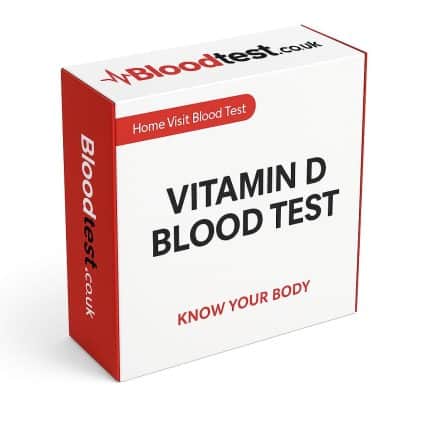

Common symptoms indicating a vitamin D deficiency include:
- Severe fatigue
- Bones experiencing pain
- Muscle weakness
- Feelings of depression
- Hair loss
Factors such as advancing age and insufficient sun exposure elevate the risk of deficiency, highlighting the importance of regular testing. Being proactive about vitamin D levels can lead to timely actions that help maintain good health.
What are the procedures for vitamin D testing across the UK?
In St Albans, vitamin D blood tests are generally conducted through a simple blood draw at local clinics or GP surgeries. These procedures comply with NHS standards, ensuring the accuracy of results. Qualified healthcare professionals perform these tests and interpret the results, facilitating timely interventions that benefit public health. The testing process is designed to be straightforward and efficient, making it accessible for those looking to understand their vitamin D status.
The testing approach is patient-friendly, with many clinics offering flexible appointment times to enhance accessibility for residents seeking this essential health service. This flexibility guarantees that everyone can prioritise their health without unnecessary complications.
How do UK healthcare providers analyse the results?
Healthcare professionals in St Albans evaluate vitamin D levels in accordance with established national standards. This analysis enables them to provide tailored recommendations for supplementation and lifestyle changes that enhance bone health and bolster immune function. Understanding these results is crucial for patients, as it empowers them to make informed health decisions. Providers often discuss dietary adjustments or recommend supplements to help individuals achieve optimal vitamin D levels, ensuring a comprehensive approach to health management.
How Can You Effectively Prepare for a Vitamin D Blood Test?
What preparation steps should patients take before the test?
Before undergoing a vitamin D blood test, residents in St Albans should adhere to specific preparation guidelines to ensure accurate results. This may involve fasting if advised by their GP and discussing any medications that could influence test outcomes. Open communication with healthcare providers is essential, as some supplements may affect the precision of vitamin D measurements. Adequate preparation can greatly enhance the reliability of test results, ensuring that individuals receive the most accurate information regarding their vitamin D status.
Why is the timing of the test important in the UK?
The timing of vitamin D testing is significant, particularly due to the UK’s unpredictable weather. Scheduling tests during the winter months can reveal seasonal deficiencies that might otherwise remain undetected. Local health services frequently advocate for this timing to facilitate effective management of vitamin D levels through necessary lifestyle adjustments and supplementation. Being aware of seasonal variations can motivate patients to take proactive measures for their health, ensuring they remain vigilant about maintaining adequate vitamin D levels throughout the year.
What dietary adjustments should be considered?
Diet plays a crucial role in influencing vitamin D levels, making it essential for individuals to maintain a balanced diet. In the UK, incorporating fortified foods such as cereals, dairy products, and fatty fish can enhance overall wellbeing and positively affect test results. Patients should aim to include a variety of these foods in their diet, especially if they are at risk of deficiency. A holistic approach to nutrition can bolster the effectiveness of any recommended interventions following testing, ensuring that individuals are well-prepared to optimise their health.
What precautions should at-risk groups take?
In the UK, specific demographics face a greater risk of vitamin D deficiency, including older adults, those with limited sun exposure, and individuals with darker skin tones. These populations in St Albans should consult their GP regarding additional measures to ensure accurate testing. For instance, they may need to avoid certain supplements that could skew test results. By taking a proactive approach, at-risk groups can better manage their vitamin D levels and overall health, significantly enhancing their long-term wellbeing.
How can stress and lifestyle factors be effectively managed?
Stress and lifestyle choices can greatly impact vitamin D levels, making it vital for patients in St Albans to manage stress effectively. Incorporating relaxation techniques such as mindfulness or yoga can be beneficial in mitigating stress and its adverse effects on health. Discussing daily routines with healthcare providers can also aid in preparing for the test. Understanding how lifestyle choices affect health can lead to more accurate results and improved overall wellbeing in the UK’s fluctuating climate. Proactively addressing these factors can enhance the efficacy of health interventions.
Expert Insights on Vitamin D Blood Testing in St Albans
What practical steps do professionals recommend?
Experts suggest several actionable steps for individuals preparing for a vitamin D blood test. Maintaining a balanced diet rich in vitamin D and scheduling tests during the winter months can yield clearer insights into one’s health status. Local clinics in St Albans often provide resources to assist patients in understanding how to optimise their vitamin D levels. Adopting these expert recommendations can lead to improved health outcomes, ensuring that individuals are equipped to effectively manage their vitamin D status.
What ongoing care do experts suggest after testing?
Post vitamin D blood test, continuous care is crucial for effective management. Experts recommend regular check-ups at St Albans facilities to monitor vitamin D levels over time. Patients may receive personalised supplementation plans based on their test results. Such interventions can significantly enhance health outcomes for individuals at risk of deficiency, ensuring they remain proactive about their health.
What key factors do experts evaluate during testing?
Experts consider various factors when assessing vitamin D levels, including environmental influences like the UK’s weather conditions. For example, reduced sunlight during winter can lead to lower vitamin D levels. Specialists frequently propose strategies to improve testing accuracy, such as appropriately timing tests and recognising individual lifestyle factors that may affect results. This comprehensive approach fosters better health outcomes for patients in St Albans, ensuring they receive tailored care.
How do specialists assist in interpreting vitamin D test results?
Interpreting vitamin D test results can be complex, but specialists in St Albans provide invaluable support. They help patients contextualise their results within the framework of their overall health and lifestyle. Real-world examples from UK patients illustrate how customised interventions can effectively address deficiencies. This personalised approach ensures that individuals receive the necessary support to improve their vitamin D status and overall wellbeing, fostering enhanced health outcomes.
Evidence-Based Advantages of Vitamin D Blood Testing in St Albans
What benefits does early detection offer?
Early identification of vitamin D deficiency through testing in St Albans can avert serious health issues such as osteoporosis. Research conducted in the UK indicates that timely interventions can enhance bone density and boost energy levels. Taking a proactive stance on vitamin D levels can greatly improve quality of life, particularly for those at risk. Regular testing empowers individuals to take charge of their health and wellbeing, ensuring they maintain optimal vitamin D status.
How does testing promote overall health?
Vitamin D blood testing contributes to overall health by supporting immune function. Research from UK institutions shows that regular monitoring can reduce the risk of infections, particularly during the colder months. For residents of St Albans, recognising the significance of vitamin D can encourage healthier lifestyles and improved health outcomes. This proactive approach is essential in today’s health landscape, ensuring individuals remain vigilant about their wellbeing.
Why is testing vital for at-risk populations?
Certain groups in St Albans are particularly vulnerable to vitamin D deficiency, including:
- Older adults
- Individuals with limited sun exposure
- People with darker skin tones
- Pregnant women
Research highlights the critical role of testing in preventing deficiency-related health concerns within these demographics. Regular assessments can lead to timely interventions that significantly enhance health outcomes, ensuring that those at risk receive the necessary support.
What Symptoms Indicate a Vitamin D Deficiency?
How can fatigue indicate a deficiency?
Fatigue is often an early sign of low vitamin D levels. In St Albans, particularly during the darker months, many individuals may experience this symptom, prompting them to seek testing. Recognising this connection can motivate proactive health management. Those experiencing unexplained fatigue should consider discussing vitamin D testing with their healthcare provider, as restoring levels can significantly enhance energy and overall health.
What does bone pain signify?
Bone pain is a common symptom linked to vitamin D deficiency. UK health guidelines encourage residents of St Albans to pursue testing if they experience persistent discomfort, as early detection can facilitate effective management. Addressing bone pain through appropriate interventions can greatly improve quality of life. Patients should not hesitate to consult their GP if they suspect a deficiency based on this symptom, ensuring they receive timely care.
Can hair loss be an indicator of deficiency?
Hair loss may also result from vitamin D shortages, prompting individuals in St Albans to seek medical advice. This frequently overlooked symptom can significantly impact self-esteem and overall wellbeing. Consulting healthcare providers for testing can help address this concern. Understanding the relationship between vitamin D and hair health is vital for those experiencing this issue, ensuring they receive the necessary support.
Where to Access Vitamin D Blood Tests in St Albans
Which local clinics offer this service?
Residents of St Albans can secure vitamin D blood tests at various local clinics that partner with the NHS. These facilities provide efficient and reliable assessments, ensuring individuals receive the necessary support for their health. The availability of testing services within the community enhances residents’ ability to monitor their vitamin D levels. This accessibility is essential for proactive health management, making it easier for individuals to prioritise their wellbeing.
How can you schedule an appointment in the UK?
To arrange an appointment for a vitamin D blood test in St Albans, individuals typically need to contact local GP surgeries. Patients can follow standard procedures to streamline access to testing services, making the process straightforward. Taking initiative regarding health means not hesitating to make necessary appointments. Early action can lead to better health outcomes, ensuring that individuals remain proactive about their wellbeing.
Why is it essential to select accredited facilities?
Choosing accredited facilities for vitamin D testing in St Albans is crucial for obtaining accurate results. These clinics adhere to UK standards, ensuring that patients receive reliable assessments and appropriate care. Accreditation reflects a commitment to quality and safety in healthcare, providing patients with peace of mind throughout the testing process. This decision supports better health outcomes for those undergoing vitamin D assessments, ensuring they receive the highest quality care.
Why Is Vitamin D Testing Crucial?
What long-term effects can be avoided?
Regular vitamin D testing in St Albans can help prevent long-term consequences such as chronic fatigue and bone-related disorders. Proactive management of vitamin D levels promotes sustained health, especially in the UK’s variable weather conditions. Recognising the importance of testing empowers individuals to take control of their health and avoid future complications. Awareness is essential for maintaining optimal wellbeing, ensuring that individuals remain vigilant about their vitamin D levels.
How does testing impact mental health?
Vitamin D testing significantly influences mood disorders associated with deficiency. Insights from health practices in St Albans highlight the importance of adequate vitamin D levels for mental wellbeing throughout the UK. Individuals experiencing mood fluctuations should consider discussing their vitamin D status with healthcare providers. This proactive approach can lead to improved mental health outcomes, ensuring that individuals receive the necessary support for their emotional wellbeing.
Is prevention more effective than treatment?
Preventive measures through routine vitamin D testing in St Albans are preferable to extensive treatment later. UK health strategies underscore the importance of proactive vitamin D management, reducing the need for more intensive interventions. By prioritising testing, individuals can maintain their health and avoid complications linked to deficiencies. This forward-thinking approach is vital for overall wellbeing, ensuring that individuals remain proactive about their health.
What to Anticipate After a Vitamin D Blood Test
How should follow-up recommendations be understood?
After a vitamin D blood test, patients in St Albans should carefully review their results with their GP. Understanding supplementation requirements and potential lifestyle changes is vital for effectively managing vitamin D levels in the UK. Clear communication with healthcare providers can ensure that individuals receive personalised advice tailored to their specific circumstances. This bespoke approach enhances the effectiveness of any recommended interventions, ensuring that individuals can optimise their health.
What lifestyle changes may be suggested?
Following the test, individuals might be encouraged to increase outdoor activities as part of their lifestyle adjustments. In St Albans, this could involve spending more time outdoors, which is essential for the synthesis of vitamin D. Integrating outdoor activities into daily routines can significantly boost overall health and wellbeing. This proactive approach is crucial for maintaining optimal vitamin D levels after testing, ensuring that individuals remain attentive to their health.
When is retesting advisable?
For individuals at risk of vitamin D deficiency, retesting is generally recommended every 6 months in St Albans. This guideline aligns with UK protocols aimed at effectively monitoring and adjusting vitamin D strategies. Regular evaluations help ensure that individuals maintain adequate levels and can adapt their health strategies as necessary. Being proactive about retesting is essential for long-term wellbeing, ensuring that individuals remain vigilant about their health status.
Frequently Asked Questions
What does a vitamin D blood test involve?
A vitamin D blood test measures the level of vitamin D in your bloodstream, helping identify deficiencies that could lead to health concerns, particularly those related to bone health. Understanding your vitamin D status empowers you to take control of your health and wellbeing.
How often should I have testing for vitamin D?
It is generally recommended to test vitamin D levels every 6 months, especially if you are at risk of deficiency due to lifestyle or health conditions. Regular testing helps to ensure optimal health.
Where can I access a vitamin D blood test in St Albans?
You can obtain a vitamin D blood test at local clinics and GP surgeries in St Albans, many of which are affiliated with the NHS for efficient service. This accessibility is crucial for proactive health management.
What symptoms indicate vitamin D deficiency?
Symptoms of vitamin D deficiency may include fatigue, bone pain, muscle weakness, and mood changes. If you experience these symptoms, consider getting tested to understand your vitamin D status.
Is fasting required before the test?
Fasting may be necessary prior to a vitamin D blood test, depending on your healthcare provider’s guidance. Always confirm with your GP before the test to ensure accurate results.
How long does it take to receive results?
Typically, vitamin D test results are available within a few days to a week, depending on the clinic’s processing times and workload. Being aware of the timeline can help manage your expectations.
Can I take supplements before the test?
You should discuss any supplements you are taking with your GP prior to the test, as some may affect the accuracy of the results. This discussion ensures that you receive the most accurate assessment of your vitamin D levels.
What actions should I take if my levels are low?
If your vitamin D levels are found to be low, your GP may recommend dietary changes, increased sun exposure, or vitamin D supplements to help restore balance. Following these suggestions can significantly improve your health.
Does the NHS cover vitamin D testing?
Yes, vitamin D testing is typically funded by the NHS if deemed necessary by your healthcare provider, particularly for those at risk of deficiency. This support ensures that individuals can access essential health services.
Can children be tested for vitamin D deficiency?
Yes, children can be tested for vitamin D deficiency if there are concerns about their levels or if they exhibit symptoms associated with deficiency. Early detection is crucial for their health and development.
Connect with us on Facebook!
This Article Was First Found On https://bloodtest.co.uk
The Article Vitamin D Blood Test Importance in St Albans found first on https://electroquench.com