Discover the Best Practices for Choosing Glove Materials for Food Handling in the UK
Which Essential Types of Gloves Should Be Used in Kitchens Across Britain?
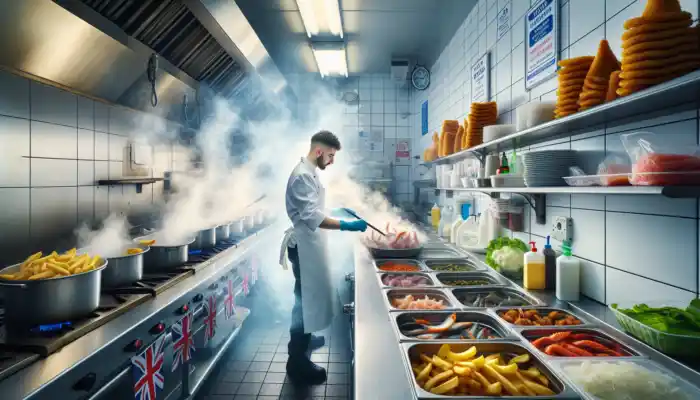
In the busy kitchens across the UK, the selection of various glove materials is essential for upholding safety and hygiene standards during food preparation. The most popular materials include latex, nitrile, and vinyl, each bringing unique advantages to the table. Among these, nitrile gloves have surged in popularity due to their outstanding durability and exceptional puncture resistance, making them the go-to choice for many establishments. Locations such as pubs and restaurants strictly follow guidelines provided by the Food Standards Agency (FSA), opting for materials that effectively mitigate the risks of cross-contamination. For instance, fish and chip shops frequently use nitrile gloves to handle seafood safely while minimising allergen-related hazards, thereby ensuring the safety of their customers.
What Essential Factors Should Be Considered When Handling Meat and Dairy Products in the UK?
Choosing the right glove material is critical when dealing with meat and dairy products to prevent contamination risks. In the UK, butchers typically favour gloves made from nitrile or vinyl due to their strength and durability. These materials not only adhere to local hygiene regulations but also guarantee consistent food safety. The non-porous characteristics of these gloves are especially advantageous, as they prevent juice absorption, significantly reducing the potential for bacterial transfer. Implementing these best practices is crucial for maintaining the highest hygiene standards in meat and dairy handling, particularly in customer-facing environments where trust in food safety is paramount.
What Standard Glove Options Should Bakeries and Produce Handlers Prioritise in Britain?
In the bakery and agricultural sectors within the UK, the choice of glove materials typically favours polyethene and vinyl, as these provide the necessary moisture resistance for effective handling. This is particularly significant when managing wet doughs or fresh produce, where allergen control is a pressing concern. To ensure compliance with British standards, food handlers are recommended to select gloves that are convenient to change and dispose of, especially when moving between different food types. Key considerations for selecting the right gloves include evaluating the material's grip, usability, and moisture resistance. By diligently following these guidelines, bakeries can significantly enhance product quality and safety, ultimately enriching the overall experience for consumers.
Gain Expert Knowledge on Selecting the Right Glove Material for Different Food Types

How Should Gloves Be Chosen for Handling Oily Foods in the UK?
When selecting gloves for handling oily foods, such as those commonly served in British fish and chip shops, it is crucial to pick materials that provide effective oil resistance. Nitrile gloves are strongly recommended due to their superior grip and puncture resistance, ensuring safety during food preparation. The advantages for UK food handlers using nitrile gloves include enhanced grip for better control, exceptional puncture and tear resistance, oil resistance to prevent slippage, and durability that allows for extended use without compromising safety. These attributes collectively help maintain hygiene and quality in environments where oily foods are prevalent. Therefore, selecting high-quality nitrile gloves is a prudent choice for food businesses dedicated to adhering to rigorous hygiene standards and operational efficiency.
Which Materials Are Most Effective for Handling Acidic Foods as Recommended by UK Experts?
In British kitchens, when working with acidic foods like fruits and sauces, latex and nitrile gloves are frequently recommended for their capacity to resist acid degradation, which is crucial for safeguarding food handlers from potential hazards. Expert recommendations stress the importance of selecting gloves based on their chemical resistance to ensure that they do not degrade or lose structural integrity when exposed to acidic substances. To implement these recommendations effectively, food handlers should evaluate gloves for compatibility with specific acidic foods, choose high-quality materials that comply with safety standards, ensure a snug fit to prevent slippage, and routinely inspect gloves for signs of wear. By adhering to these practical steps, kitchens can significantly enhance their safety protocols and mitigate the risks associated with food handling.
What Types of Gloves Are Most Suitable for Handling Hot Foods in UK Environments?
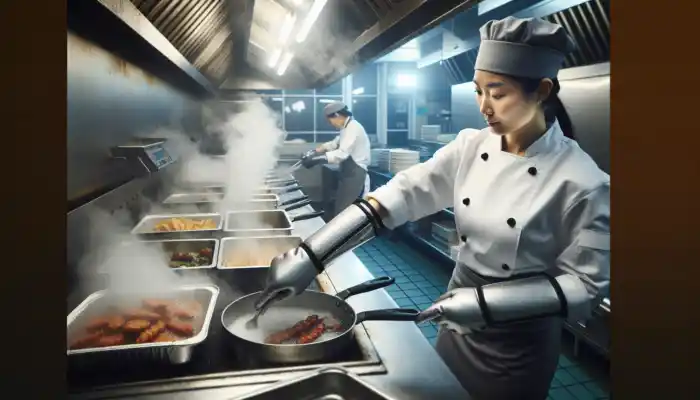
When managing hot foods in British restaurants and takeaways, employing heat-resistant gloves is critical. These gloves are specifically engineered to withstand high temperatures, thereby shielding food handlers from burns. Materials such as Kevlar and thermoplastic rubber (TPR) offer excellent thermal protection without sacrificing dexterity. Their unique properties support safe handling of hot trays and pots, a common occurrence in busy culinary settings. Consequently, investing in high-quality heat-resistant gloves is essential for maintaining safety standards and improving the efficiency of food preparation processes.
How Does the Choice of Glove Material Impact Food Safety in the UK?
How Can Material Selection Help Prevent Cross-Contamination During Food Preparation?
The selection of glove material is crucial in preventing cross-contamination in environments where various foods are prepared. In the UK, nitrile and vinyl gloves are often chosen for their non-porous qualities, which significantly reduce the risk of transferring allergens or pathogens. For example, establishments that adhere to these glove standards frequently receive higher ratings during health inspections, reflecting their dedication to food safety. The ability of certain materials to withstand diverse food types without degrading further enhances their effectiveness in maintaining hygiene. Thus, making informed decisions regarding glove materials is vital for safeguarding public health and ensuring compliance with food safety regulations.
What Are Common Failures Associated with Glove Materials in British Food Preparation Settings?
Frequent challenges linked to glove material failures in British kitchens often involve tearing or puncturing, particularly with vinyl gloves. In fast-paced environments like pubs and cafes, the likelihood of glove failure increases substantially. Implementing effective prevention strategies, such as opting for higher-quality materials and providing comprehensive training on proper glove usage, can significantly mitigate these risks. Moreover, ensuring that staff recognise the importance of frequently changing gloves during food preparation can considerably lower the risk of contamination. By nurturing a culture of vigilance and care regarding glove use, establishments can enhance their overall food safety practices.
How Can Allergen Control Be Enhanced Through Effective Material Selection in the UK?
Effectively managing allergens within British eateries necessitates thoughtful consideration of glove materials. Non-latex gloves, particularly those made from nitrile or vinyl, are frequently preferred for allergen control, as they markedly reduce the likelihood of allergic reactions among food handlers. Key criteria for selecting suitable gloves encompass opting for non-latex alternatives to prevent allergic responses, ensuring durability to withstand various food types, offering moisture resistance to improve grip, and confirming compliance with FSA standards to ensure safety. By adhering to these selection guidelines, food establishments can significantly bolster their allergen management strategies, creating a safer dining environment for all.
What Is the Significance of Durability in Glove Materials for UK Food Environments?
The durability of glove materials directly influences food safety in British kitchens. Materials such as nitrile and Kevlar are celebrated for their high abrasion resistance, which considerably diminishes the risk of contamination during food preparation. In accordance with FSA guidelines, establishments are encouraged to select robust materials that can withstand the rigours of daily use. Offering maintenance advice, such as recommending regular glove changes and proper storage practices, can prolong glove lifespan while ensuring consistent adherence to hygiene standards. By prioritising the durability of glove materials, food handlers can significantly mitigate contamination risks in their operations, thereby enhancing overall food safety.
What Are the Regulatory Standards Governing Glove Materials in the UK?
Adhering to British regulations concerning glove materials is essential for ensuring safety during food handling processes. Following Brexit, EU-influenced laws continue to significantly shape these standards. Gloves must comply with BS EN 455, which specifies critical requirements for medical gloves, including safety measures and suitability for food handling. Certified materials, such as nitrile and latex, are vital for maintaining hygiene protocols within food establishments. By adhering to these regulatory standards, food businesses can reassure customers of their steadfast commitment to food safety and hygiene.
Evidence-Based Advantages of Selecting Appropriate Glove Materials for Diverse Food Types

Why Are Disposable Gloves the Optimal Choice for Handling Fresh Produce in Britain?
Research indicates that utilising disposable gloves when managing fresh produce in the UK significantly reduces the risk of contamination. These single-use gloves effectively prevent cross-contact between different food types, particularly in environments where allergens may be present. Evidence suggests that implementing disposable-glove practices not only boosts consumer confidence but also upholds high hygiene standards. By placing emphasis on waste reduction and safe food handling, establishments can maintain robust standards while ensuring that the quality of fresh produce remains intact.
What Material Advantages Exist for Processed Foods Within the UK?
Synthetic gloves, especially those crafted from polyethene or nitrile, have demonstrated considerable benefits when handling processed foods in the UK. Their durability allows for prolonged usage without compromising safety, thereby enhancing operational efficiency. Studies reveal that these materials maintain their structural integrity over extended periods, reducing the frequency of glove changes and improving efficiency in busy kitchens. This approach not only supports hygiene but also promotes a sustainable method of food handling by minimising waste generated from disposable gloves.
How Do Gloves Enhance Hygiene in the UK Dairy Processing Sector?
In the UK dairy processing industry, the selection of glove material is crucial for maintaining stringent hygiene standards. Gloves made from nitrile or polyethene have been shown to provide bacterial resistance, aligning with compliance standards essential for food safety. Their non-porous characteristics effectively prevent the transfer of pathogens, ensuring that dairy products remain safe for consumption. By judiciously selecting appropriate materials, dairy processors can significantly enhance their hygiene practices, thereby safeguarding consumer health and reinforcing their unwavering commitment to food safety.
What Best Practices Should Be Followed for Glove Selection in UK Food Environments?
How Should Glove Materials Be Matched for Seafood Handling in Britain?
In the UK seafood industry, best practices for glove selection focus on ensuring both freshness and food safety during handling. Nitrile gloves are frequently preferred due to their strong resistance to punctures and chemical degradation, which is vital when managing fish and shellfish. Although regional preferences may vary, the emphasis remains on high-quality, durable materials that protect both food handlers and consumers alike. Training staff on proper glove usage and changing routines is essential for elevating these practices, ensuring compliance with food safety standards while maintaining the high quality of seafood products.
What Key Factors Should Guide the Selection of Gloves for Vegetarian Food Types in the UK?
When choosing glove materials for handling vegetarian foods, including salads and plant-based meals, it is essential to prioritise options that do not leave any residue. Nitrile and vinyl gloves are particularly suitable as they do not transfer flavours or odours onto the food. Observations from UK trends indicate that food establishments are increasingly focusing on vegan and vegetarian offerings, making the selection of glove material even more critical. Ensuring these gloves meet industry standards helps preserve the integrity of plant-based products and satisfies consumer demand for stringent hygiene practices in food preparation.
How Should Gloves Be Assessed for Handling Frozen Foods in British Environments?
In British settings, selecting gloves for handling frozen foods requires materials that exhibit resistance to cold. Gloves made from nylon or neoprene are highly recommended for their flexibility, even at low temperatures. Regular maintenance tips include vigilant inspections for wear and tear to ensure that gloves effectively prevent frostbite while maintaining a secure grip. By implementing these practical measures, food handlers can efficiently address the challenges of managing frozen foods while prioritising safety and adherence to hygiene standards.
What Recommended Practices Should Be Followed for Glove Selection in UK Dairy Handling?
When managing dairy products in the UK, selecting appropriate glove materials is vital for maintaining hygiene standards. Nitrile and vinyl gloves are frequently utilised due to their moisture resistance and compliance with food safety regulations. Popular choices among UK farms and dairies include gloves that efficiently prevent contamination during milk processing and packaging. To ensure adherence to local regulations, staff should receive training on proper glove-changing procedures, further mitigating the risk of cross-contamination and enhancing overall food safety.
What Guidelines Should Be Implemented for Gloves in British Bakery Environments?
In UK bakeries, selecting heat-resistant and food-grade materials is essential for the safe and effective handling of dough. Gloves made from latex or nitrile provide excellent heat insulation while ensuring sufficient grip for various handling tasks. To maintain product quality and safety, bakeries should establish regular glove-changing routines that correspond with busy periods and peak demands. These practices not only enhance safety but also ensure compliance with evolving consumer hygiene expectations in the UK market.
What Common Challenges Are Faced with Glove Materials in UK Food Service?
What Challenges Emerge from the Use of Reusable Gloves in British Food Environments?
In Britain, the use of reusable gloves in food service settings, such as pubs and cafes, often introduces several challenges. Common issues include the risk of contamination if gloves are not properly cleaned and maintained. To avoid such pitfalls, establishments should enforce strict cleaning protocols and provide comprehensive training for staff on appropriate glove usage. Regular inspections and clear operational guidelines can significantly mitigate the risks associated with reusable gloves while fostering a safe food-handling environment for both staff and customers.
What Common Errors in Material Selection Occur for Spicy Foods in the UK?
Frequent errors in material selection for handling spicy foods in British curry houses often involve using gloves that lack heat resistance. This oversight can lead to discomfort or even burns for food handlers. To rectify these issues, it is imperative to invest in high-heat-resistant gloves specifically designed for such environments and ensure that staff are trained to recognise the significance of choosing suitable materials for preparing spicy dishes. By addressing these concerns, food establishments can greatly enhance both safety and efficiency throughout their operations.
What Risks Are Associated with Neglecting Material Selection for Ethnic Foods in the UK?
In the UK, there are often gaps in glove options for handling diverse ethnic foods, as cultural adaptations frequently involve specific ingredients that may necessitate unique handling methods. To improve material selection, food businesses should engage in thorough research regarding the requirements of various cuisines and provide staff training on the importance of selecting appropriate glove materials. Implementing these actionable steps not only helps ensure safety but also respects cultural practices, ultimately enhancing the dining experience for consumers from all backgrounds while maintaining high food safety standards.
Frequently Asked Questions Regarding Glove Materials for Food Handling
What Are the Most Effective Glove Materials for Safe Food Handling?
The most effective glove materials for food handling include nitrile, latex, and vinyl, with nitrile often being preferred for its excellent puncture resistance and durability.
How Frequently Should Gloves Be Changed During Food Preparation?
Gloves should be changed frequently, particularly when switching between different food types or after handling raw ingredients, to effectively mitigate the risk of cross-contamination.
Are There Specific Gloves Designed for Handling Hot Foods?
Indeed, heat-resistant gloves made from materials such as Kevlar or thermoplastic rubber are essential for safely managing hot foods in kitchen settings.
What Risks Are Associated with the Use of Latex Gloves?
The primary concern with using latex gloves is the potential for allergic reactions in some individuals, prompting many establishments to prefer non-latex alternatives.
How Can I Ensure My Gloves Meet Food Safety Regulations?
To ensure compliance, select gloves that meet BS EN 455 standards and verify certifications confirming their suitability for food handling.
Are Disposable Gloves Preferable to Reusable Ones for Food Safety?
Disposable gloves are frequently considered superior for food safety due to their design which mitigates the risk of cross-contamination and their single-use nature.
What Is the Importance of Moisture Resistance in Gloves?
Moisture resistance is a vital feature of gloves, as it helps maintain grip and prevents them from becoming slippery, which is crucial during food preparation.
How Should Gloves Be Stored to Preserve Their Integrity?
Gloves should be stored in a cool, dry environment, away from direct sunlight, to maintain their integrity and prevent material degradation.
What Are the Best Practices for Selecting Gloves for Seafood Handling?
Best practices involve selecting puncture-resistant gloves that provide an excellent grip and are constructed from materials that can successfully withstand water and oils.
How Can I Address Glove Material Failures in My Kitchen?
To manage glove material failures, regularly inspect gloves before use, provide training on proper handling techniques, and encourage staff to change gloves frequently to minimise contamination risks.
Connect with Us on Facebook for More Insights!
The Article: Choosing Glove Material for Different Food Types was first published on https://www.gloveclub.co.uk
The Article Glove Material Selection for Various Food Types Was Found On https://limitsofstrategy.com