
Discover the Advantages of Incorporating Pets into Community Gardens
How Do Pets Enrich Community Gardens and Strengthen Community Bonds?
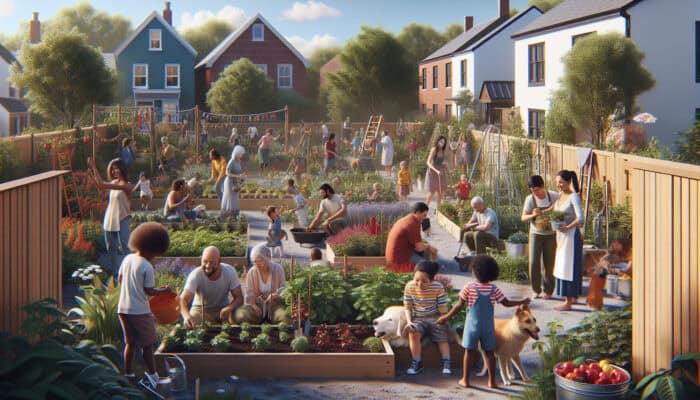
The inclusion of pets within community gardens significantly enhances their vitality and functionality. Pets create a multitude of opportunities for social interactions while nurturing a strong sense of environmental stewardship among local residents. Their joyful presence not only promotes happiness but also cultivates a friendly atmosphere that strengthens the community spirit. When community gardens welcome pets, they become more attractive to families, children, and animal enthusiasts, fostering an inclusive environment that encourages collaboration and shared responsibilities. This dynamic deepens community connections and inspires collective efforts towards achieving shared goals, creating a thriving ecosystem of support and engagement.
The primary advantages of integrating pets into community gardens encompass:
- Enhanced Social Engagement: Pets serve as natural conversation starters, facilitating connections among diverse community members.
- Increased Sense of Responsibility: Caring for pets within the garden encourages individuals to take ownership, enhancing their commitment to the community.
- Improved Mental Health: Interacting with pets has been shown to reduce stress levels and improve overall mood, creating a more positive community atmosphere.
- Ecological Contributions: Pets assist in maintaining ecological balance by attracting beneficial wildlife and promoting biodiversity.
- Promotion of Physical Activity: The presence of pets encourages community members to engage in physical activities like walking, playing, and gardening.
- Opportunities for Learning: Pets provide valuable lessons for both children and adults about responsible animal care and environmental responsibility.
Integrating pets into community gardens transforms these spaces into vibrant hubs of interaction, education, and ecological vitality. Their captivating presence not only enhances the visual appeal of the gardens but also nurtures an environment conducive to building strong community connections.
What Health Benefits Do Community Gardens Provide for Pets?
Community gardens offer a plethora of health advantages for both humans and their furry companions. The expansive green spaces are perfect for pets to engage in exercise, socialise, and explore their surroundings. Regular physical activity is vital for pets' health, and community gardens provide an excellent venue for activities such as running, fetching, and interacting with other animals, contributing significantly to their overall well-being. By providing a rich environment for exploration, these gardens support the physical and emotional health of pets, ensuring they remain active and happy.
The health benefits for pets participating in community gardens encompass:
- Enhanced Physical Fitness: The garden environment encourages active play, which is essential for maintaining a healthy weight and overall condition for pets.
- Improved Social Skills: Interactions with other pets and people promote better social behaviour and reduce anxiety in various situations.
- Mental Stimulation: The variety of sights, sounds, and smells in a garden keeps pets mentally engaged, fostering a healthy mind.
- Stress Alleviation: Spending time outdoors in a natural setting can significantly decrease stress levels and promote relaxation.
- Boosted Immunity: Exposure to different environments helps pets develop a stronger immune system as they come into contact with various microorganisms.
- Strengthened Human-Pet Relationships: Engaging in gardening activities can deepen the emotional bond between pets and their owners, enhancing overall happiness.
Overall, community gardens are designed to provide a safe and stimulating environment for pets, enabling them to flourish both physically and mentally, while also strengthening their relationships with their human companions.
How Do Pets Contribute to Biodiversity in Community Gardens?
Pets play a crucial role in enhancing biodiversity within community gardens through various significant contributions. Their presence can attract diverse wildlife species that are essential for maintaining ecological balance. For instance, dogs and cats can naturally deter pests, while their movements can facilitate pollination and improve soil health. By fostering a diverse ecosystem, pets help create environments that support a variety of plants and animals, promoting a rich and thriving garden.
To understand how pets enhance biodiversity, consider the following factors:
- Attracting Wildlife: Pets can draw in birds and beneficial insects that are essential for pollination and natural pest control.
- Soil Aeration: As pets dig or roam through the garden, they naturally aerate the soil, promoting healthier plant growth.
- Companion Animals as Ecological Partners: Pets can coexist peacefully with local wildlife, positively contributing to the ecosystem rather than disrupting it.
- Compatibility of Flora and Fauna: Incorporating pet-friendly plants can enhance the garden's environment and encourage interactions with local wildlife.
- Ecological Influence of Pet Behavior: The playful actions of pets can influence the types of plants and animals that thrive in the garden.
By thoughtfully integrating pets into community gardens, we can create flourishing ecosystems that benefit both plants and animals, fostering environments that celebrate biodiversity and ecological interconnectedness.
Expert Insights on the Role of Pets in Community Gardens
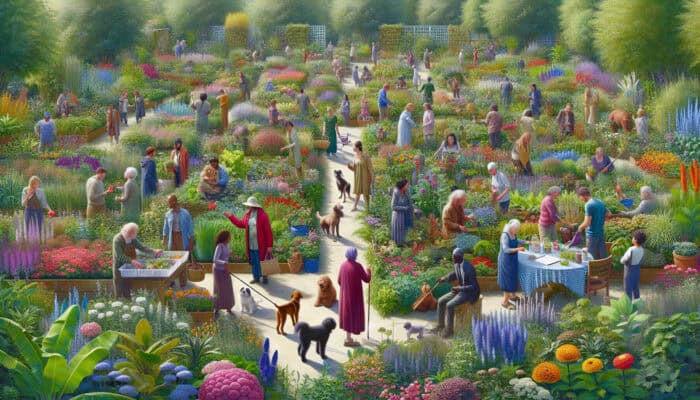
What Expert Insights Are Available on Pet-Friendly Garden Design?
Experts in urban gardening and community development strongly advocate for including pets in community gardens, highlighting numerous benefits. Various studies and anecdotal evidence demonstrate how pets enhance community interaction and the vitality of garden spaces. Successful pet-friendly community gardens typically feature designated areas for pets, ensuring a harmonious coexistence between plants and animals. By prioritising thoughtful design, these spaces cater to both gardening and pet needs, creating environments where both can thrive together.
Real-world examples exist in urban environments where structured programmes for pet owners have led to increased participation and a vibrant community spirit. Cities like Toronto and Berlin showcase community gardens that have evolved into social hubs where pet owners gather, share knowledge, and forge friendships. These gardens often host events that engage both pets and their owners, making them active centres of community life and interaction.
Furthermore, experts emphasise the need for proactive management within these spaces. Clearly defined guidelines regarding pet behaviour, designated zones for pets, and community education sessions are crucial for maintaining a positive atmosphere for both pets and plants. The synergy created by the interaction of pets and gardens not only promotes ecological health but also enhances social cohesion, ensuring these spaces are welcoming for all participants.
How Can Community Garden Design Be Optimised for Pets?
Designing community gardens with pet-friendly features requires careful consideration and innovative thinking. A well-planned garden layout should meet the needs of pets while protecting plants and other garden elements. This includes creating dedicated spaces for pets to roam and play, as well as integrating non-toxic plants and protective barriers to ensure the safety of all garden participants.
Practical strategies for creating pet-friendly garden spaces include:
- Establish Designated Pet Areas: Create specific zones where pets can play freely without disturbing garden plants.
- Utilise Safe Plant Choices: Incorporate non-toxic plants that are safe for pets to nibble on, such as certain herbs and flowers.
- Implement Protective Barriers: Use fencing or natural plant installations to shield delicate plants from pet interactions while ensuring easy access for pet owners.
- Provide Shaded Resting Spots: Create shaded areas where pets can relax while their owners tend to the garden, enhancing their comfort.
- Install Hydration Stations: Set up water stations to keep pets hydrated during their time in the garden.
- Plan for Waste Management: Designate waste disposal areas to maintain cleanliness and hygiene within the garden.
By prioritising thoughtful design, community gardens can cater to the needs of both pets and plants, creating inclusive spaces that enhance community interaction and promote ecological health.
What Best Practices Ensure Pet Safety in Community Gardens?

Ensuring the safety of pets within community gardens is crucial for creating a harmonious environment. Specific measures and clear guidelines can help mitigate risks, enhancing the overall experience for both pets and their owners. Safety protocols should encompass everything from garden layout to best pet care practices, ensuring a safe and enjoyable environment for all.
Expert recommendations on pet safety protocols in community gardens include:
- Vaccination Verification: Require that all pets be up to date on vaccinations before entering the garden to reduce the risk of disease transmission.
- Leash Requirements: Encourage or mandate that pets be leashed at all times to prevent aggressive behaviour or escape.
- Training Programs: Implement training sessions on appropriate pet behaviour in communal spaces to ensure compliance and safety.
- Emergency Contact Lists: Create a list of local veterinarians and pet services for emergencies.
- Regular Health Monitoring: Encourage pet owners to routinely check their pets' health, especially in communal environments.
- Visible Signage: Place rules and guidelines regarding pet behaviour and safety in prominent areas of the garden.
By adhering to these best practices, community gardens can evolve into safe havens for pets and their owners, promoting a positive and enjoyable experience for everyone involved.
Steps to Launch a Community Garden That Welcomes Pets
How Can You Begin Planning a Pet-Friendly Garden?
Establishing a community garden that accommodates pets necessitates thorough planning and active community involvement. The first step is to gather individuals interested in gardening and pet ownership, fostering a sense of community from the start. Engaging local stakeholders, including pet owners, gardening enthusiasts, and relevant organisations, can help generate enthusiasm and support for the initiative, ensuring a collaborative approach to garden development.
To initiate a pet-friendly community garden project, consider the following actionable steps:
- Facilitate Initial Meetings: Host gatherings to assess interest and gather input from prospective participants.
- Create a Planning Committee: Assemble a diverse team of community members to oversee the design and implementation of the garden.
- Conduct Site Evaluations: Assess potential locations for accessibility, sunlight exposure, and pet-friendliness.
- Draft a Garden Layout Plan: Create a layout that accommodates pets while ensuring a functional and productive gardening space.
- Engage Local Authorities: Seek necessary permissions and support from local governments or organisations to facilitate the project.
- Develop Comprehensive Guidelines: Formulate clear rules and protocols regarding pet behaviour and community engagement.
By proactively involving the community in the planning process, pet-friendly gardens can flourish, creating spaces that reflect the collective vision and desires of all participants.
What Essential Resources Should Be Secured?
Identifying and securing essential resources for establishing a community garden with pets is crucial for the successful development and maintenance of the garden. These resources encompass funding, materials, and volunteer support. Funding can be sourced from various avenues, including grants, community donations, and organised fundraising events, ensuring the financial stability of the project.
Discussing the necessary resources and methods to acquire them includes:
- Funding Opportunities: Explore grants specifically aimed at community gardening or pet-related initiatives, as well as potential sponsorships from local businesses.
- Material Requirements: Compile a comprehensive list of materials needed, such as soil, seeds, fencing, and pet-safe plants.
- Volunteer Engagement: Recruit community members for planting days, garden maintenance, and educational workshops.
- Strategic Collaborations: Partner with local gardening clubs, pet organisations, or educational institutions to pool resources and knowledge.
- Educational Materials: Develop or source literature on pet care and best gardening practices to share within the community.
- Infrastructure Needs: Assess the requirements for communal tools, storage spaces, and waste management systems.
By securing these vital resources, pet-friendly community gardens can thrive, yielding benefits for both participants and the local ecological system.
How to Effectively Engage the Community?
Community engagement is vital for the success of a pet-friendly garden. Involving local residents in the planning and ongoing activities fosters a sense of ownership and commitment to the garden's upkeep. Strategies for fostering community involvement can include organising events, promoting volunteer opportunities, and facilitating open communication among participants, creating a unified effort towards garden maintenance and enjoyment.
Effective strategies for engaging the community and encouraging participation include:
- Workshop Organisation: Host workshops focused on gardening techniques, pet care, and sustainability to attract interest.
- Utilise Social Media: Leverage local social media platforms to share updates, success stories, and upcoming events.
- Involve Local Schools: Partner with educational institutions for student projects related to gardening and pet care.
- Regular Meetings: Conduct ongoing meetings to keep the community informed and involved in decision-making processes.
- Celebrate Milestones: Organise events that allow community members to celebrate the garden’s achievements, fostering camaraderie.
- Feedback Channels: Establish avenues for community members to provide feedback and suggestions for continuous improvement.
By fostering a culture of participation and collaboration, pet-friendly community gardens can become vibrant spaces that enhance social connections and the overall well-being of the community.
What Measures Ensure Pet Safety and Health?
Implementing strategies to maintain the safety and health of pets in community gardens involves proactive planning and ongoing care. Ensuring that pets enjoy the garden while remaining secure requires specific considerations, such as monitoring behaviour and providing suitable facilities that cater to their needs.
Key measures for ensuring pet safety and health in community gardens include:
- Vaccination Compliance: Verify that all pets have up-to-date vaccinations to minimise health risks.
- Designated Play Areas: Create specific zones within the garden for pets to socialise and play safely.
- Selection of Pet-Friendly Plants: Choose non-toxic plants to avoid health issues if pets ingest them.
- Regular Health Monitoring: Encourage pet owners to keep an eye on their pets' health and behaviour while in the garden.
- Hygiene Practices: Implement waste disposal protocols to maintain cleanliness and prevent contamination.
- Emergency Plans: Develop a response plan for pet emergencies, including contact information for local veterinarians.
These measures create a safe environment for pets and cultivate a sense of community responsibility among pet owners, ensuring that everyone can enjoy the garden experience.
What Maintenance and Sustainability Practices Are Needed?
Ongoing maintenance tasks and strategies are essential for ensuring the long-term sustainability of a pet-friendly community garden. Regular care is vital for both the plants and the pets, creating a balanced ecosystem that thrives. Establishing a maintenance schedule and encouraging community involvement can help keep the garden flourishing, ensuring it meets the diverse needs of all participants.
Discussing ongoing maintenance tasks and strategies includes:
- Organised Clean-Up Days: Coordinate volunteer days for litter removal and garden upkeep to foster a sense of ownership.
- Plant Care Schedules: Implement a calendar for watering, weeding, and harvesting to maintain overall garden health.
- Pet Monitoring: Designate volunteers to oversee pet behaviour and health during community events, ensuring compliance with safety protocols.
- Soil Testing: Periodically assess soil health and nutrient levels to ensure optimal growth conditions for plants.
- Community Feedback: Encourage ongoing feedback from participants to identify areas for improvement and necessary adjustments.
- Seasonal Planning: Adjust planting strategies based on seasonal changes and pet activity levels, ensuring a harmonious environment for all.
By establishing a comprehensive maintenance plan, pet-friendly community gardens can sustainably thrive, benefiting both the plants and the animals involved.
Best Practices for Sustaining a Community Garden with Pets
How to Ensure Proper Maintenance of the Garden?
Maintaining a community garden that includes pets requires consistent upkeep and care to ensure both plants and animals thrive. A well-maintained garden fosters a positive environment for community engagement and promotes ecological health. Establishing a maintenance routine contributes to the garden's overall success and encourages continued participation from community members who feel invested in its care.
A schedule and checklist for garden maintenance tasks may include:
- Weekly Inspections: Conduct regular checks of the garden to identify any issues or needed repairs, ensuring its ongoing health.
- Systematic Watering Schedule: Implement a systematic watering plan based on plant needs and prevailing weather conditions to maintain optimal hydration.
- Weeding and Mulching: Regularly remove weeds and apply mulch to suppress weed growth and retain soil moisture, promoting healthy plant growth.
- Monitoring Plant Health: Observe plants for any signs of pests or disease and take appropriate action as needed to manage potential threats.
- Pet Area Maintenance: Keep pet zones clean and safe by regularly checking for waste and potential hazards, ensuring a pleasant experience for all.
- Community Involvement Days: Schedule periodic community workdays to encourage participation in maintenance tasks, fostering a sense of unity.
By adhering to a structured maintenance plan, community gardens can remain vibrant, safe, and inviting spaces for both pets and people, enhancing overall community well-being.
What Are the Best Practices for Caring for Pets in Gardens?
Proper care for pets in community gardens is crucial to ensure their well-being and the overall health of the garden environment. Pet-friendly practices enhance the experience for pets and promote a respectful and cooperative atmosphere among community members. By prioritising the needs of pets, gardens can cultivate a nurturing environment that fosters responsible pet ownership and community bonding.
Best practices for pet care in community gardens include:
- Supervision: Always supervise pets while in the garden to prevent mishaps or aggressive interactions that could disrupt the environment.
- Regular Feeding: Ensure pets are well-fed and have access to fresh water during their time in the garden to maintain their health and energy levels.
- Hygiene Maintenance: Provide accessible waste disposal stations and encourage prompt clean-up after pets to maintain cleanliness and hygiene.
- Health Monitoring: Watch for any signs of distress or illness in pets and address them promptly, ensuring their ongoing happiness.
- Socialisation Opportunities: Facilitate playdates and interactions among pets to promote good behaviour among both pets and their owners, enhancing community connections.
- Training Reinforcement: Encourage owners to reinforce positive behaviours through training and rewards, fostering a harmonious environment for all.
By adopting these best practices, community gardens can create welcoming environments for pets while ensuring their health and safety, promoting overall community well-being.
What Strategies Ensure Hygiene and Waste Management?
Effective waste management and hygiene practices are crucial in pet-friendly community gardens to maintain cleanliness and safety. Ensuring that the garden remains a pleasant environment for all participants requires proactive measures and collaborative community efforts. By prioritising hygiene, gardens can create spaces that are not only enjoyable but also conducive to the health of plants and animals alike.
Methods for maintaining cleanliness and safety include:
- Waste Disposal Stations: Set up designated areas for pet waste disposal, equipped with bags and bins to encourage responsible pet ownership.
- Regular Cleaning Schedules: Establish a routine for cleaning communal areas to prevent the accumulation of waste and debris, ensuring a hygienic environment.
- Education on Hygiene: Inform pet owners about the importance of cleaning up after their pets to sustain a healthy environment for all participants.
- Composting Practices: Encourage composting of plant waste while ensuring that pet waste is managed appropriately to promote ecological health.
- Clear Signage: Use visible signage to remind pet owners of hygiene protocols and waste disposal guidelines, fostering accountability.
- Community Responsibility: Promote a culture of accountability where all members contribute to maintaining garden hygiene, enhancing the overall experience for everyone.
By implementing these waste management strategies, community gardens can foster a clean and safe environment for both pets and people, encouraging ongoing participation and enjoyment.
Building Community Through Pet-Friendly Gardens
How Do Community Gardens Foster Social Connections?
Community gardens that welcome pets possess a unique ability to enhance social bonds and cultivate a sense of belonging among participants. Pets often act as social catalysts that facilitate interactions among community members, enabling individuals to connect through shared experiences and interests, which enriches community life.
Pets nurture community building in several meaningful ways:
- Conversation Starters: Pets naturally draw attention and can initiate conversations between strangers, breaking down social barriers and fostering connections.
- Shared Responsibilities: Caring for pets in a communal setting encourages collaboration and joint efforts among garden participants, strengthening ties.
- Community Events: Hosting pet-related events, such as dog shows or pet meet-ups, enhances camaraderie and enjoyment among participants.
- Support Networks: Pet owners often form support networks, sharing tips and experiences that strengthen community ties and foster a sense of belonging.
- Inclusive Environment: Pets create a welcoming atmosphere that attracts diverse community members, enriching social interactions and expanding networks.
- Long-Term Friendships: Regular encounters with other pet owners can lead to enduring friendships and community connections, enhancing the social fabric of the area.
Through these interactions, community gardens evolve into spaces not only for cultivating plants but also for nurturing relationships, thereby fostering a strong sense of community that benefits everyone involved.
What Types of Pet-Friendly Events Can Be Organized?
Events specifically designed for pets can significantly enhance community engagement and enjoyment. By organizing activities that involve pets, communities can forge connections among residents while celebrating the joys of pet ownership. These events provide opportunities for education, fun, and collaboration among community members, creating memorable experiences that strengthen community ties.
Types of pet-friendly events that can be organized in the garden include:
- Pet Adoption Days: Collaborate with local shelters to host adoption events, raising awareness about pet welfare and promoting animal rescue.
- Dog Training Workshops: Invite professional trainers to conduct workshops on responsible pet ownership and effective training techniques, enhancing community knowledge.
- Pet Costume Contests: Organise fun contests where pets can showcase their creativity, actively engaging the community and promoting a sense of fun.
- Picnics and Play Dates: Host casual gatherings where pet owners enjoy a picnic while pets socialise and play, fostering community connections.
- Educational Seminars: Offer informative sessions on pet care, nutrition, and health to empower pet owners with knowledge and resources.
- Seasonal Festivals: Celebrate local seasons with themed pet events, encouraging community traditions and participation.
By organizing these events, community gardens can become lively centres of activity, attracting diverse participants and enriching connections within the community, while also celebrating the joy of pet ownership.
What Educational Opportunities Do Community Gardens Provide?
Community gardens that incorporate pets offer ample educational opportunities for individuals of all ages. These gardens serve as interactive learning environments where participants can discover responsible pet care, gardening practices, and environmental sustainability. The combination of pets and plants creates engaging, hands-on experiences for those involved, fostering a culture of learning and responsibility.
Discussing how these gardens can function as learning environments includes:
- Workshops on Pet Care: Host sessions to educate on responsible pet ownership and animal behaviour, increasing community awareness and knowledge.
- Gardening Classes: Offer workshops on organic gardening, planting techniques, and sustainable practices, integrating pet care into the curriculum for comprehensive learning.
- Children’s Programs: Develop activities for children that incorporate pet care and gardening, fostering responsibility and empathy from a young age.
- Volunteer Programs: Engage local schools in service-learning projects that connect student volunteers with gardening activities and pet care responsibilities.
- Research Projects: Encourage local universities to collaborate with community gardens for studies related to pet behaviour and environmental impacts, enhancing knowledge and community engagement.
- Hands-On Experiences: Provide opportunities for participants to practice skills such as planting, watering, and caring for pets, fostering practical knowledge and experience.
Through these educational opportunities, community gardens can inspire a new generation of responsible pet owners and environmentally conscious individuals, fostering a culture of knowledge, respect, and care for both animals and the environment.
How Do Community Gardens Benefit Mental Health?
Community gardens that include pets contribute significantly to enhancing mental well-being. The combination of nature, gardening, and animal companionship creates a therapeutic environment that promotes relaxation and reduces stress. Engaging with pets while nurturing plants can lead to improved mood and overall happiness, fostering a sense of accomplishment and connection to nature.
Explaining how interaction with pets and nature improves mental health includes:
- Stress Reduction: Spending time with pets in a natural setting lowers cortisol levels, the hormone associated with stress, promoting a sense of calm.
- Increased Physical Activity: Gardening and playing with pets encourage physical activity, which is linked to better mental health outcomes and overall well-being.
- Mindfulness Opportunities: Gardening encourages mindfulness, allowing individuals to focus on the present and appreciate nature, enhancing emotional resilience.
- Social Support: Interacting with fellow pet owners fosters connections, alleviating feelings of isolation and loneliness, which can significantly improve mental health.
- Routine and Structure: The regularity of caring for pets and plants provides a sense of purpose and stability in daily life, contributing to overall well-being.
- Positive Distractions: Pets and gardening offer enjoyable distractions from daily stressors and worries, enhancing mental clarity and happiness.
By leveraging the benefits of community gardens and the companionship of pets, individuals can cultivate healthier, happier lives, enriching their overall mental health and well-being.
How to Ensure Safety and Hygiene in Community Gardens?
Maintaining safety and hygiene is essential in pet-friendly community gardens. Creating a secure environment for both pets and people involves implementing best practices and protocols that encourage responsibility and respect among participants. By prioritising safety and hygiene, gardens can foster a welcoming atmosphere for everyone involved.
Discussing measures to ensure a safe environment includes:
- Regular Health Checks: Encourage pet owners to monitor their pets for signs of illness and maintain up-to-date vaccinations to safeguard the health of all animals involved.
- Hygiene Protocols: Develop guidelines for waste disposal and general pet hygiene to maintain cleanliness and prevent health issues.
- Clear Signage: Use signs to remind owners of safety protocols and pet etiquette within the garden, fostering a culture of responsibility.
- Emergency Response Plans: Establish plans for addressing pet injuries or emergencies, complete with contact information for local veterinarians, ensuring swift action in critical situations.
- Community Education: Conduct workshops on responsible pet ownership and garden etiquette to instil a sense of accountability and community spirit.
- Feedback Mechanisms: Implement channels for community members to report safety or hygiene concerns for prompt resolution, ensuring a responsive management approach.
By prioritising safety and hygiene, community gardens can cultivate an inclusive environment where everyone, including pets, can thrive, enhancing the overall garden experience for all participants.
Research-Backed Benefits of Community Gardens with Pets
What Does Research Indicate About Mental Health Improvements?
Research increasingly shows that community gardens with pets can significantly enhance mental health and overall well-being. Studies suggest that engaging in gardening activities combined with pet companionship leads to improved emotional states, reduced anxiety, and heightened self-esteem. The presence of pets provides essential emotional support while individuals immerse themselves in nurturing activities, creating a therapeutic environment that promotes mental health.
Findings on the mental health benefits of pet-friendly gardens include:
- Lowered Anxiety Levels: Interacting with pets diminishes anxiety, fostering a more relaxed mental state for participants.
- Improved Mood: Gardening activities release endorphins, while pets provide affection and companionship that uplift spirits and enhance emotional well-being.
- Connection to Nature: Engaging with the natural environment correlates with increased feelings of happiness and well-being, promoting a sense of fulfilment.
- Supportive Community Environment: Social interactions within these gardens create vital emotional support networks, helping participants navigate life's challenges.
- Greater Life Satisfaction: Participants often report enhanced happiness and life satisfaction through the synergy of gardening and pet care, creating a positive feedback loop.
- Therapeutic Effects: Both gardening and pet care offer therapeutic benefits that can alleviate symptoms of depression, fostering resilience and hope.
This research underscores the profound impact that community gardens with pets can have on mental health, highlighting their importance as spaces for healing, connection, and personal growth.
How Do Pets Impact Physical Health in Community Gardens?
Research indicates that the presence of pets in community gardens can enhance physical health through increased activity and outdoor engagement. The active lifestyle encouraged by pet ownership fosters better health outcomes, potentially leading to significant improvements for pet owners and their animals alike. By promoting physical activity, community gardens create environments conducive to healthier lifestyles for all participants.
Expert analysis on the physical health benefits of pets in community gardens includes:
- Boosted Exercise Levels: Owners become more active when caring for pets, contributing to improved cardiovascular health and overall fitness.
- Weight Management: Regular activity associated with pet care aids in maintaining a healthy weight for both pets and their owners, promoting long-term health.
- Outdoor Exposure: Spending time in natural settings is linked to lower blood pressure and enhanced overall health for all participants.
- Social Interaction Benefits: Engaging with other community members during pet-related activities promotes both physical and mental health, fostering a sense of belonging.
- Enhanced Immunity: Exposure to diverse environments and animals can strengthen the immune system for both pets and their owners, contributing to overall well-being.
- Lower Risk of Chronic Diseases: An active lifestyle associated with pet ownership can reduce the risk of chronic health conditions, promoting longevity and vitality.
The evidence demonstrates that integrating pets into community gardens promotes a healthier lifestyle for all involved, encouraging physical activity in a natural, social setting that benefits the entire community.
What Environmental Benefits Do Pet-Friendly Gardens Offer?
Pets can positively impact the environment within community gardens through their interactions with the ecosystem. Their presence can help promote biodiversity, assist in pest control, and contribute to a healthy ecological balance, making them valuable allies in gardening practices. By understanding and leveraging these environmental benefits, community gardens can enhance their sustainability and ecological footprint.
Real-world examples of environmental improvements brought about by pets in community gardens include:
- Natural Pest Control: Certain pets, like cats, can help reduce pest populations by hunting rodents and insects, minimising the need for chemical interventions.
- Soil Enrichment: Pets contribute to soil health through natural behaviours that promote aeration and nutrient cycling, enhancing overall garden productivity.
- Wildlife Attraction: The presence of pets can entice beneficial wildlife, such as birds and pollinators, enhancing the garden's ecological diversity and resilience.
- Community Awareness: The shared responsibility of caring for pets within a garden fosters awareness about ecological stewardship, encouraging sustainable practices among participants.
- Habitat Creation: Pet-friendly gardens can establish diverse habitats that support various plant and animal species, promoting biodiversity and ecological health.
- Educational Sustainability Discussions: Gardening with pets encourages conversations around sustainability and responsible pet ownership, fostering a culture of care and responsibility.
By recognising the environmental contributions of pets, community gardens can leverage their positive impact on the ecosystem, promoting healthier habitats and fostering ecological consciousness among participants.
How Do Community Gardens with Pets Foster Social Connections?
Research indicates that pet-friendly gardens enhance social interactions and community bonding. The shared love for pets often cultivates a sense of camaraderie among community members, facilitating connections and friendships that might not have otherwise developed. This sense of community is vital for creating supportive environments where individuals can thrive together.
Studies emphasizing the social benefits of pets in community gardens include:
- Increased Interactions: Pets serve as social facilitators, prompting conversations and connections among individuals, breaking down barriers.
- Collaborative Responsibilities: Working together on pet care and gardening tasks fosters teamwork and strengthens community ties, enhancing social cohesion.
- Event Participation: Pet-related events attract diverse participants, promoting inclusivity and engagement within the community, enriching social interactions.
- Support Networks: Pet owners often form supportive systems where they share experiences and advice, enhancing community cohesion and fostering lasting relationships.
- Long-Term Relationships: Regular encounters in the garden can cultivate lasting friendships among pet owners, contributing to a vibrant community life.
- Community Pride: Collective efforts in maintaining a pet-friendly garden instil pride and ownership among participants, enhancing their connection to the space.
Through these interactions, community gardens with pets emerge as vibrant social hubs, enriching the lives of everyone involved and contributing to a stronger, more connected community.
What Are the Educational Benefits of Pets in Community Gardens?
Pets in community gardens can serve as educational tools, teaching both children and adults about responsibility and the natural world. The combination of pet care and gardening creates opportunities for hands-on learning experiences that foster empathy and environmental stewardship, nurturing a culture of care and respect for both animals and plants.
Examples of educational programs that incorporate pets in gardens include:
- Pet Care Workshops: Hosting sessions on responsible pet ownership, grooming, and training empowers community members with knowledge and skills.
- Garden-Based Learning: Integrating pets into gardening lessons illustrates the interconnectedness of life and nature, enhancing participants' understanding of ecosystems.
- School Partnerships: Collaborating with local schools to develop educational programs that involve students in gardening and pet care fosters a sense of responsibility.
- Hands-On Activities: Providing opportunities for community members to learn through direct experiences, such as planting and caring for both gardens and pets, enhances practical knowledge.
- Volunteer Programs: Engaging community volunteers in educational initiatives that highlight the importance of pets and sustainability fosters a culture of involvement and care.
- Interactive Demonstrations: Organising events that showcase the benefits of gardening and pet care, encouraging participation from the community and enhancing learning experiences.
By incorporating pets into educational initiatives, community gardens can cultivate knowledgeable and responsible individuals who appreciate the importance of environmental health and pet care, fostering a sense of stewardship and responsibility within the community.
Challenges and Solutions in Community Gardens with Pets
What Are Common Challenges Faced by Pet-Friendly Gardens?
Community gardens that allow pets encounter various challenges that can impact their success. These issues can range from pet behaviour problems to physical impacts on the garden infrastructure, necessitating thoughtful consideration and planning to address them effectively. By identifying these challenges, communities can develop strategies to mitigate their effects and promote harmonious coexistence between pets and gardening activities.
Common challenges and their effects on the garden include:
- Behavioral Issues: Disruptive or aggressive pet behaviour can lead to conflicts among community members and create discomfort, hindering participation.
- Damage to Gardens: Pets may inadvertently harm plants, soil, and garden structures within a community garden setting, affecting overall garden health.
- Hygiene Concerns: Poor waste management can result in unsanitary conditions, deterring participation from community members and compromising the garden's integrity.
- Safety Hazards: Pets roaming freely may pose risks to children, other pets, and garden plants, necessitating careful management to ensure safety.
- Health Risks: The potential spread of diseases among pets and humans can create health concerns within the community, highlighting the need for proactive measures.
- Resource Allocation Issues: Maintaining a pet-friendly garden may require additional resources for infrastructure and management efforts, impacting sustainability.
Addressing these common challenges through proactive measures can help ensure a successful pet-friendly community garden that benefits all participants.
How Can Challenges in Community Gardens Be Addressed?
Effectively addressing challenges in pet-friendly community gardens requires proactive solutions and community cooperation. Implementing practical steps to mitigate issues can foster a positive environment for both pets and people, ensuring everyone can enjoy the benefits of the garden without undue stress.
Actionable steps for overcoming common challenges include:
- Training Programs: Offer training sessions for pet owners to promote responsible behaviour and socialisation among pets, reducing potential conflicts.
- Designated Pet Areas: Create specific zones within the garden for pets to play, reducing the risk of damage to plants and ensuring safety.
- Clear Guidelines: Establish and communicate comprehensive rules regarding pet behaviour, hygiene, and safety, setting clear expectations for all participants.
- Community Support: Encourage collaboration among community members to share experiences and solutions for managing pet-related issues, fostering a supportive environment.
- Regular Monitoring: Implement oversight to address behavioural issues or health concerns as they arise, ensuring a proactive approach to management.
- Hygiene Workshops: Host workshops to educate community members on maintaining cleanliness and proper waste disposal, enhancing overall garden health.
By actively addressing these challenges, pet-friendly community gardens can create a harmonious atmosphere that encourages participation and enjoyment, ensuring the success of the initiative.
How to Ensure Harmony Between Pets and Plants in Gardens?
Balancing the needs of pets and plants is crucial for the success of a community garden. Finding ways to ensure that pets can enjoy the garden without harming its ecological integrity requires thoughtful planning and management. By establishing clear boundaries and fostering responsible pet ownership, gardens can thrive while accommodating the needs of both pets and plants.
Methods for maintaining harmony between pets and garden flora include:
- Designated Play Zones: Establish specific areas where pets can run and play without jeopardising plant health, allowing for safe and enjoyable experiences.
- Barrier Installations: Use fencing or natural barriers to protect sensitive plants from pet activity, ensuring a healthy garden ecosystem.
- Pet-Safe Plants: Incorporate non-toxic and pet-friendly plants into the garden design, ensuring safety for all participants.
- Regular Training: Encourage pet owners to train their animals to respect garden boundaries and follow established guidelines, fostering a culture of responsibility.
- Monitoring Pet Behaviour: Supervise pets during garden visits to ensure compliance with guidelines and respect for plants, promoting harmonious interactions.
- Community Discussions: Facilitate ongoing conversations about balancing the needs of pets and plants among community members, fostering collaboration and understanding.
By focusing on these strategies, community gardens can create spaces that nurture both pets and plants, promoting a healthy ecosystem and community engagement that benefits all involved.
What Role Does Community Education Play in Pet-Friendly Gardens?
Educating the community about pet behaviour and garden care is essential for fostering a cooperative environment. Providing resources and support to pet owners and gardeners can enhance the overall experience and success of the garden, creating a culture of shared responsibility and respect. By prioritising education, communities can empower individuals to take an active role in maintaining the garden and ensuring its success.
The significance of workshops and informational sessions in managing pet-friendly gardens includes:
- Empowering Pet Owners: Educating pet owners about responsible behaviour and training can reduce conflicts and promote harmony within the community.
- Gardening Knowledge: Offering gardening workshops can enhance participants' skills, leading to healthier plants and more successful gardens, benefiting the entire community.
- Collaboration Opportunities: Bringing community members together for educational events fosters a sense of shared purpose and strengthens community ties.
- Resource Sharing: Providing resources and tools for pet care and gardening helps to build supportive community networks, enhancing collaboration.
- Feedback and Improvement: Educational sessions can serve as platforms for gathering feedback and suggestions for enhancing garden management, promoting continuous improvement.
- Awareness of Safety Protocols: Educating participants about hygiene and safety practices can improve the overall experience within the garden, ensuring a secure environment for all.
By prioritising community education, pet-friendly gardens can cultivate an informed, responsible, and engaged community that thrives together, enhancing the overall quality of life for all participants.
Legal and Ethical Considerations for Community Gardens with Pets
What Are the Legal Requirements for Pet-Friendly Gardens?
Understanding the legal aspects of having pets in community gardens is vital for compliance and the overall success of the initiative. Legal requirements may vary depending on local regulations, zoning laws, and community guidelines, so it’s important to familiarise participants with these requirements to ensure a smooth operation.
Legal requirements and regulations for pet-friendly gardens may include:
- Local Ordinances: Research local laws regarding pet ownership, leash laws, and pet waste management to ensure compliance.
- Permits: Obtain any necessary permits for establishing a community garden that accommodates pets, ensuring all legal requirements are met.
- Insurance Considerations: Investigate liability insurance options to protect against potential accidents or incidents involving pets within the garden.
- Health Regulations: Ensure compliance with health regulations regarding pet vaccinations and health checks, promoting the well-being of all animals involved.
- Community Agreements: Develop clear agreements that outline the rights and responsibilities of participants, including pet owners, to foster a cooperative environment.
- Zoning Laws: Confirm that the garden location adheres to zoning regulations that allow for pets in community spaces, ensuring compliance with local regulations.
By understanding and adhering to these legal requirements, community gardens can operate within a secure framework that promotes responsible pet ownership and community involvement, fostering a positive environment for all participants.
What Ethical Practices Should Be Followed for Pets?
Ensuring the ethical treatment of pets in community gardens is essential for creating a responsible and compassionate environment. Pet owners should be encouraged to prioritise the well-being and safety of their animals while engaging in community activities. Promoting ethical practices fosters a culture of care and respect for all participants in the garden.
Ethical considerations and best practices for pet welfare include:
- Responsible Ownership: Encourage pet owners to follow best practices regarding nutrition, exercise, and socialisation, ensuring pets' needs are met.
- Health Monitoring: Promote regular veterinary check-ups and vaccinations to safeguard the health of pets and prevent potential health issues.
- Awareness of Needs: Educate community members about the specific needs and behaviours of different pet species and breeds, fostering empathy and understanding.
- Respect for Space: Guide pet owners on respecting communal areas and the needs of other pets and participants, promoting a harmonious environment.
- Community Support: Foster a culture of support where community members look out for one another's pets, enhancing community bonds.
- Advocacy: Encourage participants to advocate for pet welfare and responsible ownership practices within the broader community, promoting awareness and responsibility.
By prioritising the ethical treatment of pets, community gardens can create safe, nurturing environments that benefit both animals and their human companions, enhancing the overall quality of life within the community.
How Can Liability Issues Be Managed in Community Gardens?
Liability issues in community gardens with pets require careful management to protect all parties involved. Addressing potential risks and establishing protocols can help mitigate liability concerns while ensuring a safe and enjoyable environment for participants. By proactively managing liability, community gardens can foster a responsible atmosphere that promotes inclusivity and cooperation.
Strategies for managing liability and ensuring safety include:
- Waivers and Agreements: Require participants to sign liability waivers acknowledging risks associated with pet ownership in community spaces, ensuring participants are informed.
- Insurance Coverage: Invest in liability insurance to protect against potential claims or incidents involving pets, safeguarding the community garden.
- Clear Rules and Guidelines: Develop and communicate comprehensive rules regarding pet behaviour and responsibilities for all participants, setting clear expectations.
- Safety Training Programs: Offer training for pet owners on responsible pet handling and garden etiquette to minimise risks and promote safety.
- Incident Reporting Procedures: Establish clear protocols for reporting incidents or accidents and addressing concerns promptly, ensuring a responsive management approach.
- Community Feedback Channels: Implement channels for community members to voice concerns or suggestions about safety and liability, fostering a collaborative environment.
By proactively addressing liability issues, community gardens can foster a safe environment for both pets and people, promoting enjoyable and responsible community engagement that benefits everyone involved.
Future Trends in Community Gardens with Pets
What Emerging Trends Are Shaping Community Gardens?
Emerging trends in community gardens with pets reflect a growing recognition of the benefits of combining pet ownership with gardening. Innovations in design, community engagement, and sustainability practices are shaping the future of these shared spaces. By embracing these trends, community gardens can enhance their impact and effectiveness in fostering community connections and well-being.
Key trends and their potential impacts include:
- Inclusive Garden Designs: Emphasising designs that accommodate both pets and plants, promoting a harmonious coexistence that enriches the garden experience.
- Community Partnerships: Collaborating with local businesses and organisations to provide resources and funding for pet-related initiatives, enhancing support for the garden.
- Pet Wellness Programs: Implementing programmes focused on pet health, nutrition, and safety within garden spaces, promoting responsible pet ownership.
- Technology Integration: Utilizing apps and digital platforms to facilitate communication and organisation among community members, enhancing engagement.
- Sustainability Practices: Emphasising sustainable gardening practices that consider the ecological impact of pets and promote resilience in the garden ecosystem.
- Educational Outreach: Expanding educational programs to include topics related to pet care, environmental stewardship, and community building, fostering a culture of knowledge.
These trends indicate a bright future for community gardens with pets, where innovation and collaboration can lead to thriving, inclusive spaces that benefit all participants, enhancing community spirit and environmental health.
How Will Technology Influence Pet-Friendly Gardens?
Technology can greatly enhance the functionality and management of pet-friendly community gardens. Innovations in digital tools, communication platforms, and gardening technology can streamline operations and improve community engagement, fostering a more connected and efficient gardening environment. By embracing technology, gardens can enhance their overall effectiveness and responsiveness to community needs.
Exploring the role of technology in future developments of pet-friendly gardens includes:
- Community Apps: Developing mobile applications to facilitate communication, event planning, and resource sharing among participants, enhancing engagement and organisation.
- Smart Gardening Tools: Utilizing technology such as moisture sensors and automated irrigation systems to optimise plant care and efficiency, promoting sustainability.
- Social Media Engagement: Leveraging social media platforms to promote events, share successes, and attract new community members, fostering a sense of community.
- Virtual Workshops: Offering online training sessions and resources to educate community members about gardening and pet care, expanding access to knowledge.
- Data Collection: Implementing systems to track garden health, pet behaviour, and community engagement metrics for continuous improvement and responsiveness.
- Telehealth Services: Collaborating with local veterinarians to provide telehealth consultations and resources for pet owners in the community, enhancing pet care access.
By embracing technology, community gardens can enhance their operations, foster connections, and create more engaging experiences for both pets and their owners, promoting a thriving pet-friendly community.
What Sustainable Practices Should Be Adopted for Long-Term Planning?
Sustainability is crucial for the long-term success of community gardens with pets. Implementing sustainable practices and long-term planning strategies can ensure that these spaces remain productive and beneficial for future generations. By prioritising sustainability, gardens can create lasting positive impacts on both the environment and the community.
Describing sustainable practices and long-term planning strategies for pet-friendly gardens includes:
- Organic Gardening Methods: Promote organic gardening techniques that minimise environmental impact and prioritise pet safety, ensuring a healthy ecosystem.
- Companion Planting: Encourage planting species that support each other’s growth while considering pet compatibility, enhancing garden health.
- Water Conservation: Utilise rainwater harvesting and efficient irrigation systems to promote sustainable water use and reduce waste.
- Community Input: Involve community members in long-term planning to ensure the garden meets the needs and interests of all participants, fostering ownership.
- Regular Assessments: Conduct periodic evaluations of garden health, pet interactions, and community engagement to guide future improvements and adaptations.
- Resource Sharing: Encourage collaboration among community members to share tools, knowledge, and resources to enhance sustainability and community ties.
By prioritising sustainability and long-term planning, community gardens with pets can thrive, creating lasting benefits for both the environment and the community, ensuring a vibrant future for all participants.
Frequently Asked Questions
What constitutes a community garden with pets?
A community garden with pets is a shared gardening space where pet owners actively participate in gardening activities while allowing their pets to play and socialise, thereby fostering community interaction and connection among participants.
In what ways do pets enhance community gardens?
Pets enhance community gardens by fostering social interactions, encouraging responsibility among community members, and contributing to the overall ecological health of the garden, creating a vibrant and welcoming environment for all.
What health advantages do pets gain from community gardens?
Community gardens provide pets with opportunities for exercise, socialisation, mental stimulation, and improved well-being through interactions with their owners and the garden environment, promoting a healthy lifestyle for pets.
How can I initiate a community garden that accommodates pets?
To start a community garden with pets, gather interested individuals, design the garden layout, engage local authorities, and establish guidelines for pet behaviour and garden maintenance to ensure a collaborative approach.
What resources are essential for a community garden with pets?
Essential resources encompass funding, materials for gardening, volunteer support, educational materials, and partnerships with local organisations to enhance community engagement and sustainability.
What best practices promote pet safety in community gardens?
Best practices include ensuring pets are vaccinated, supervising them during garden visits, providing designated areas for play, and implementing clear hygiene guidelines to maintain a safe environment for all.
How can community members participate in a pet-friendly garden?
Community members can engage by attending workshops, participating in events, volunteering for maintenance tasks, and contributing their input on garden decisions, fostering a sense of ownership and community spirit.
What legal considerations should be taken into account for pets in community gardens?
Legal considerations may include local ordinances concerning pet ownership, permits for establishing community gardens, and liability waivers for participants to ensure compliance and safety for all involved.
What environmental impacts do pet-friendly community gardens have?
Pet-friendly community gardens can enhance biodiversity, promote sustainable practices, and improve soil health through responsible pet interactions and meticulous garden management, creating healthier ecosystems for both plants and animals.
What future trends can we anticipate in community gardens with pets?
Emerging trends may encompass inclusive garden designs, technology integration, community partnerships, and a focus on sustainability and education related to pet care and gardening practices, enhancing the overall community experience.
Connect with us on Facebook!
The Article Community Garden With Pets: A Universal Guide First Published On https://elgatoencasa.com
The Article Community Garden Guide: Enjoying Nature with Pets Was Found On https://limitsofstrategy.com



Your exploration of how pets enrich community gardens resonates deeply with me, particularly the way they foster social interactions and a shared sense of responsibility. I’ve seen firsthand how my local community garden transforms into a vibrant gathering place when pet owners bring their dogs along. Conversations bloom effortlessly as neighbors connect over their pets, and I’ve noticed that this dynamic encourages collaboration—be it in planting initiatives or maintenance days.
It’s so refreshing to hear about your experiences in your community garden. The way you describe conversations blooming over pets captures that essence perfectly. Pets really do serve as wonderful social catalysts. When we bring them along, it creates this instant common ground among neighbors who might not otherwise interact.
“I’m glad to hear you relate to that! If you’re looking to enhance your community garden experience even further, check out this resource that promotes pet-friendly gardening ideas.”
https://britsocdermpath.co.uk/VideoLeap