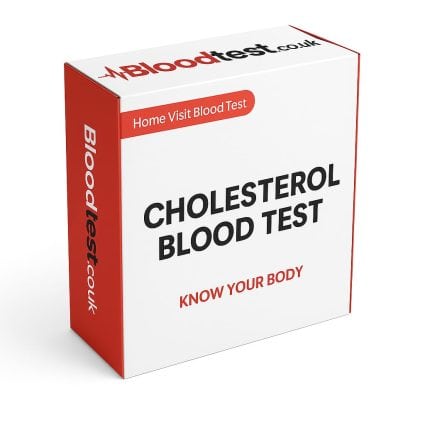
Understand Why Regular Cholesterol Testing is Vital for Maintaining Optimal Heart Health
Why Is It Essential to Regularly Monitor Your Cholesterol Levels?
Private Cholesterol Blood Test in Crawley: Regularly monitoring your cholesterol levels is crucial for protecting your heart health, especially in the UK, where cardiovascular diseases and stroke rank among the top causes of death. By keeping a close watch on your cholesterol levels, you can identify potential health risks early, which could lead to serious health conditions if left unchecked, thereby allowing for timely medical intervention and necessary preventive actions to be taken.

It is crucial to comprehend that cholesterol serves vital functions within your body; however, an imbalance can lead to significant health complications. Neglecting to monitor your cholesterol can result in health issues that could have been avoided with timely intervention and lifestyle modifications. Regular cholesterol checks empower you to make informed choices regarding your health and lifestyle.
For instance, should your cholesterol levels suggest a potential risk, you can adopt proactive measures, such as altering your diet or increasing your physical activity. The sooner you pinpoint potential issues, the more effectively you can manage your overall health, significantly reducing the likelihood of heart disease and stroke.
How Often Should You Book Cholesterol Testing Appointments?
The recommended frequency for cholesterol testing varies depending on individual factors such as age, personal risk factors, and medical history. Generally speaking, adults aged 40 and above should have their cholesterol evaluated every five years. However, individuals with existing health conditions such as diabetes, obesity, or a family history of heart disease may require more frequent assessments to closely monitor their cholesterol levels and overall health.
Consulting with your healthcare provider is essential to determine a personalised testing schedule that aligns with your unique health profile. Regular check-ups not only keep you informed about your cholesterol levels but also provide a vital opportunity for discussing necessary lifestyle adjustments that can enhance your heart health. During these consultations, your doctor can evaluate your risk factors and recommend the most effective testing intervals tailored to your needs.
Discover the Key Advantages of Local Cholesterol Testing in Crawley
Obtaining a cholesterol test in Crawley comes with numerous benefits that can significantly enhance your healthcare experience. One primary advantage is convenience; with various clinics available, you can usually find an appointment that fits seamlessly into your busy schedule. Local clinics typically offer shorter wait times compared to larger hospitals, ensuring you receive your results promptly without unnecessary delays.
Furthermore, developing a relationship with local healthcare providers can lead to a more personalised approach to your care. Local practitioners often possess a deeper understanding of the specific health challenges and trends that affect the Crawley community, providing invaluable context when interpreting your results. Being part of your community can strengthen your trust in your healthcare providers, fostering open discussions about any health concerns you may have.
Gain Expert Insights on the Significance of Cholesterol Blood Testing in Crawley
What Do Experts Say About the Importance of Local Cholesterol Testing?
Healthcare professionals in Crawley strongly advocate for regular cholesterol testing due to its crucial role in preventing heart-related health complications. Local GP practices assert that proactively managing your cholesterol levels can lead to significantly improved health outcomes. Real-world examples demonstrate this: patients who consistently monitor their cholesterol and implement necessary lifestyle changes report noticeable enhancements in their overall health.
For example, a local clinic has observed a significant decrease in heart disease occurrences among patients who adhere to regular testing schedules and respond to their results. Experts emphasise the profound connection between consistent monitoring and improved health management. Discussions following testing, particularly those focused on lifestyle modifications, can lead to lasting positive transformations in the community’s overall health.
How Can You Effectively Prepare for Your Cholesterol Test?
Getting ready for a cholesterol test is usually straightforward, but adhering to some basic guidelines is essential to ensure the accuracy of your results. Most healthcare providers suggest fasting for 9 to 12 hours prior to the test, meaning you should avoid all food and drink except for water. This fasting period allows for a clearer representation of your baseline cholesterol levels, yielding more precise results.
In addition to fasting, it is critical to inform your healthcare provider about any medications you are currently taking, as some might affect your cholesterol levels. Staying well-hydrated can also facilitate the blood draw process. Upon arriving at the testing facility, try to stay calm, as anxiety may sometimes influence your test results. Being well-prepared and informed sets the stage for a successful testing experience, ensuring that your results are as accurate as possible.
What Should You Expect During and After Your Cholesterol Test?
The cholesterol testing procedure is typically quick and relatively painless. A healthcare professional will take a small blood sample, usually from your arm, using a needle. This process generally takes only a few minutes. After the blood collection, you may be asked to remain at the facility for a short time to monitor for any immediate reactions.
Once your blood has been drawn, the sample is sent to a laboratory for analysis. Results usually become available within a few days, at which point your doctor will arrange a follow-up appointment to discuss the findings. During this consultation, you can expect a detailed explanation of your cholesterol levels, along with any necessary follow-up actions or lifestyle recommendations. After the test, maintaining regular health monitoring and adhering to your healthcare provider’s advice is essential for optimising your heart health.
How Often Should You Schedule Cholesterol Testing Appointments?
Experts generally recommend that most adults have their cholesterol levels evaluated every four to six years. However, this frequency may vary based on personal risk factors. Those with conditions such as high blood pressure, diabetes, or a family history of heart disease may require more frequent testing to ensure effective management of their cholesterol levels.
Engaging in a thorough conversation with your healthcare provider in Crawley about your personal health history will help you establish a suitable testing schedule tailored to your needs. Regular check-ups not only facilitate the timely identification of elevated cholesterol levels but also create opportunities for ongoing discussions about lifestyle modifications and comprehensive health management. Proactively managing your health can significantly enhance your quality of life and longevity. By committing to a routine of testing and follow-ups, you can effectively take charge of your heart health.
Comprehend Cholesterol Levels and Their Health Implications
What Do Your Cholesterol Numbers Indicate About Your Overall Health?
Cholesterol levels are typically measured in millimoles per litre (mmol/L), providing critical insights into your heart health. The primary components assessed during a cholesterol evaluation include total cholesterol, HDL (high-density lipoprotein), LDL (low-density lipoprotein), and triglycerides. Understanding these components is vital, as each plays a unique role in determining your risk for heart disease.
Total cholesterol reflects the sum of all cholesterol present in your blood. Ideally, your total cholesterol level should be under 5.0 mmol/L. HDL, often referred to as ‘good cholesterol', helps remove other types of cholesterol from your bloodstream; higher levels are preferable, ideally over 1.0 mmol/L. Conversely, LDL, known as ‘bad cholesterol', can accumulate in your arteries, leading to blockages; levels should ideally be below 3.0 mmol/L. Finally, triglycerides, a type of fat found in your blood, should remain below 1.7 mmol/L. Monitoring these levels is essential for accurately assessing your risk of heart disease.
How Do Healthcare Providers Interpret Cholesterol Test Results?
Healthcare providers analyse cholesterol test results by evaluating the balance between HDL and LDL levels. A high level of LDL combined with a low level of HDL might indicate a heightened risk of developing heart disease. Your healthcare provider will contextualise your results within your overall health profile, considering factors such as age, gender, and medical history.
Typically, a thorough discussion accompanies your results, explaining their implications for your health. It is common for providers to offer personalised recommendations based on these interpretations, which may include lifestyle changes or medications if necessary. Understanding this balance is crucial, as it can guide your subsequent steps toward enhancing your cardiovascular health and overall wellness.
What Actions Should You Take if Your Cholesterol Levels Are Elevated?
If your cholesterol levels are found to be elevated, your healthcare provider will likely recommend a series of lifestyle modifications to assist you in effectively managing your cholesterol. Common suggestions may include dietary adjustments, increased physical activity, and, if warranted, medication.
Adopting a heart-healthy diet can significantly impact your cholesterol levels. Focus on minimising saturated fat intake from processed foods and red meat while increasing your consumption of fruits, vegetables, and whole grains. Regular physical activity also plays a vital role; engaging in consistent physical exercise can help raise HDL levels while lowering LDL levels. Activities such as brisk walking, cycling, and swimming can be particularly beneficial.
In certain situations, your doctor may prescribe statins, effective medications for lowering cholesterol levels. It is essential to work closely with your healthcare provider to develop a personalised action plan that addresses your unique health needs and aids in achieving healthier cholesterol levels.
How Often Should You Monitor Your Cholesterol Levels?
For adults, the general guideline is to check cholesterol levels every four to six years. However, this frequency may vary based on personal risk factors. Individuals with diabetes, a family history of heart disease, or other risk factors may require more frequent monitoring.
Discussing your personal health history with your healthcare provider in Crawley will help you establish a testing schedule that fits your needs. Regular monitoring is crucial for effectively managing cholesterol levels and ensuring timely intervention if levels increase, ultimately supporting your long-term heart health.
Discover Where to Get a Cholesterol Test in Crawley: Local Clinics Offering Cholesterol Testing Services
Crawley boasts numerous clinics providing cholesterol testing, ensuring residents have easy access to this essential health assessment. Local GP surgeries frequently offer cholesterol testing as part of routine health checks. Additionally, several private health clinics and pharmacies also provide testing services.
Before visiting a clinic, it is advisable to call ahead to confirm availability and the specific services offered at your chosen location. Some facilities may also provide extended hours to accommodate busy schedules, making it easier to fit health checks into your daily routine. By opting for local services, you not only save time but also support your community's healthcare infrastructure.
What Is the Cost Associated with a Cholesterol Test?
The cost of a cholesterol test in Crawley varies depending on whether you choose NHS services or private clinics. NHS cholesterol tests are free at the point of use for eligible individuals, making them an accessible option for many residents. Conversely, private clinics typically charge between £20 and £100 for cholesterol testing, depending on the range of tests performed and the clinic's reputation.
It is also worth noting that some employers may offer complimentary health screenings, including cholesterol tests, as part of their employee wellness programs. Checking with your workplace may reveal additional opportunities for free testing, enabling you to stay proactive about your heart health without incurring expenses.
Are Walk-In Services Available for Cholesterol Testing?
In Crawley, several clinics provide walk-in cholesterol testing, offering convenience for those who do not have a scheduled appointment. However, availability can fluctuate, so it is advisable to check with the clinic in advance to avoid long wait times.
Walk-in clinics provide a flexible option, particularly for individuals with busy schedules or those who have not had the opportunity to book an appointment. While this can be a convenient alternative, please keep in mind that during peak hours, wait times may be longer. Arriving early in the day when traffic is typically lighter can help ensure a smoother experience.
Research-Backed Benefits of Cholesterol Blood Testing in Crawley
What Does Research Reveal About the Importance of Early Detection?
Numerous studies indicate that early detection of high cholesterol through regular testing significantly reduces the risk of heart disease. Research conducted within the UK emphasises a strong correlation between proactive health monitoring and improved health outcomes. Individuals who regularly undergo cholesterol testing tend to be more informed about their health status, enabling them to make timely lifestyle changes.
Moreover, data suggests that communities with higher rates of cholesterol monitoring report lower instances of heart disease, underscoring the necessity of regular testing. By actively engaging in your health and understanding your cholesterol levels, you can take meaningful steps to prevent serious health conditions and enhance your overall quality of life.
How Has Cholesterol Testing Impacted Local Health Outcomes?
Local health data from Crawley indicates a positive trend in the management of heart disease, associated with increased cholesterol testing. As more residents become aware of their cholesterol levels, the community is witnessing improvements in managing heart disease risk factors.
This proactive health approach fosters a culture of awareness and responsibility within the community, encouraging individuals to prioritise their wellness. With the rise in testing, healthcare providers are better equipped to offer tailored advice, leading to significant health improvements over time. Health campaigns advocating for regular testing have contributed to these positive outcomes, ultimately benefiting the entire community.
What Are the Long-Term Benefits of Regular Cholesterol Testing?
Engaging in regular cholesterol testing offers numerous long-term health benefits, including a reduced risk of heart attacks and strokes. By consistently monitoring your cholesterol levels, you can make informed decisions regarding your health and take necessary actions to maintain optimal levels.
The long-term advantages extend beyond physical health; regular testing encourages individuals to adopt healthier lifestyles, nurturing habits that contribute positively to overall well-being. This proactive approach can lead to increased energy levels, enhanced mental clarity, and greater overall health satisfaction. Embracing regular cholesterol testing as a crucial part of your health routine is a significant step toward a healthier future.
Implement Key Lifestyle Changes to Effectively Manage Your Cholesterol Levels
What Dietary Adjustments Can Help Lower Cholesterol Levels?
Making dietary changes is vital for effectively managing cholesterol levels. To lower cholesterol, focus on reducing your intake of saturated fats while increasing your consumption of dietary fibre. Particularly beneficial foods include:
- Oats and oat bran
- Beans and legumes
- Fruits such as apples, pears, and citrus fruits
- Vegetables, particularly leafy greens
- Nuts such as almonds and walnuts
- Fatty fish rich in omega-3 fatty acids, like salmon and mackerel
- Foods fortified with plant sterols or stanols
- Olive oil and other healthy fats
Incorporating these foods into your daily diet can significantly improve your cholesterol levels. Additionally, it is crucial to limit your intake of processed and fried foods, which often contain unhealthy fats that worsen cholesterol issues. By adopting a heart-healthy diet, you not only enhance your cholesterol levels but also improve your overall health and well-being.
How Does Regular Exercise Contribute to Cholesterol Management?
Regular physical activity has a substantial effect on cholesterol levels, potentially increasing HDL (good cholesterol) while decreasing LDL (bad cholesterol). Engaging in at least 150 minutes of moderate exercise each week can yield remarkable benefits for your heart health.
Activities such as brisk walking, cycling, swimming, and even gardening can all contribute to improved cholesterol profiles. Additionally, incorporating strength training exercises into your routine a couple of times each week can further enhance your cardiovascular health. Discovering enjoyable forms of exercise can help maintain consistency, leading to improved long-term health outcomes.
Can Effective Stress Management Influence Cholesterol Levels?
Chronic stress is a commonly overlooked factor that can contribute to elevated cholesterol levels. Learning effective stress management techniques can positively impact your overall health, including your cholesterol profile. Strategies such as meditation, yoga, and deep-breathing exercises can effectively counteract stress and its harmful effects on your body.
Incorporating relaxation techniques into your daily routine can not only lower stress levels but also promote overall well-being. Engaging in hobbies or spending quality time with loved ones can further alleviate stress. By managing your stress levels effectively, you can positively influence your cholesterol management and overall health.
Addressing Common Queries Related to Cholesterol Testing
What Is the Purpose of a Cholesterol Blood Test?
A cholesterol blood test measures cholesterol and triglyceride levels in your bloodstream, helping assess your risk of heart disease.
How Long Does It Typically Take to Receive Cholesterol Test Results?
Results from a cholesterol test are generally available within a few days, depending on the laboratory and your healthcare provider’s protocols.
Can a Cholesterol Test Be Conducted Without Fasting?
While fasting is recommended for the most accurate results, some cholesterol tests can be performed without prior fasting. Always check with your healthcare provider for specifics.
What Steps Should You Take if Your Cholesterol Levels Are High?
If your cholesterol levels are elevated, it is vital to consult with your healthcare provider for tailored advice. This may involve dietary changes, increased physical activity, or medication as necessary.
How Can You Naturally Lower Your Cholesterol Levels?
You can lower cholesterol naturally by adopting a heart-healthy diet, engaging in regular exercise, and effectively managing stress levels.
Is Cholesterol Testing Part of Routine Healthcare Practices?
Yes, cholesterol testing is often included in routine healthcare, particularly for adults over 40 or those with identifiable risk factors.
Are There Any Risks Associated with Cholesterol Testing?
Cholesterol testing is generally considered safe, with minimal risks involved. The most common side effect is mild discomfort at the blood draw site.
How Should You Prepare for a Cholesterol Test?
Preparation for a cholesterol test typically involves fasting for 9 to 12 hours beforehand. Consult your healthcare provider for specific instructions tailored to your situation.
What Are Considered Normal Cholesterol Levels?
Normal cholesterol levels can vary, but in general, total cholesterol should be below 5.0 mmol/L, with HDL levels above 1.0 mmol/L and LDL levels below 3.0 mmol/L.
Can Stress Impact Cholesterol Levels?
Yes, chronic stress can raise cholesterol levels, underscoring the importance of effective stress management for maintaining optimal heart health.

Connect with Us on Facebook for More Health Insights!
This Article Was First Found On https://bloodtest.co.uk
The Article Cholesterol Blood Test: Your Local Crawley Health Check Was Found On https://limitsofstrategy.com