Last Updated on February 5, 2026 by David
Delve into the Unique Characteristics of Ceramic and Porcelain Tile Floors in Home Environments
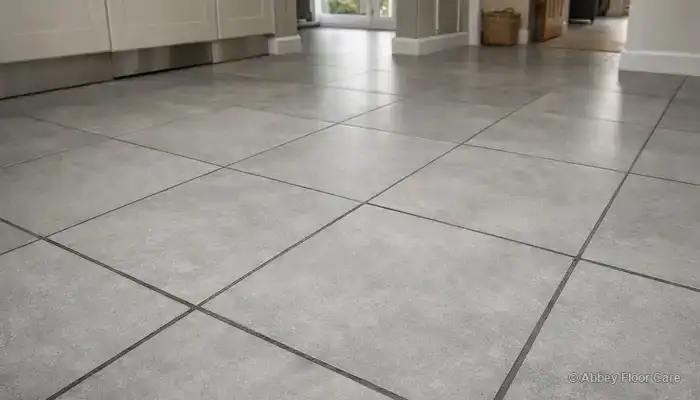
Ceramic and <a href="https://limitsofstrategy.com/porcelain-vs-natural-stone-flooring-choices-in-edinburgh/">porcelain flooring</a> have gained immense popularity among homeowners due to their remarkable durability, hygienic properties, and easy maintenance. However, when these surfaces begin to lose their pristine condition and cleanliness, it can lead to considerable frustration, particularly when additional cleaning efforts seem ineffective. This comprehensive guide explores the behaviour of these flooring materials in everyday residential contexts, focusing on the common changes that occur over time while underscoring the fact that the tiles themselves are seldom the root cause of the problem.
This guide aims to provide a thorough overview that helps you identify visible signs of wear and understand the underlying factors contributing to these alterations. Furthermore, it seeks to clarify which issues genuinely demand your attention before you explore more specialised advice found in other resources.
What Are the Key Challenges in Maintaining Ceramic and Porcelain Floors as They Age?
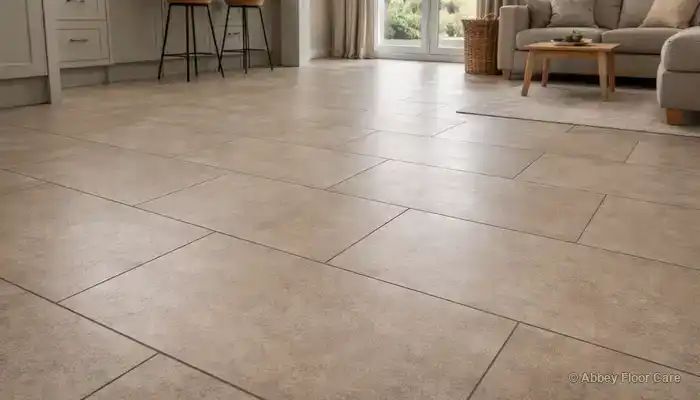
Ceramic and porcelain tiles are widely recognised for their stability and reliability as flooring materials. Unlike natural stone, they generally do not absorb spills and are less susceptible to internal damage. However, as time passes, what tends to change significantly is the accumulation of residue on their surfaces and the condition of the grout that fills the gaps between the tiles.
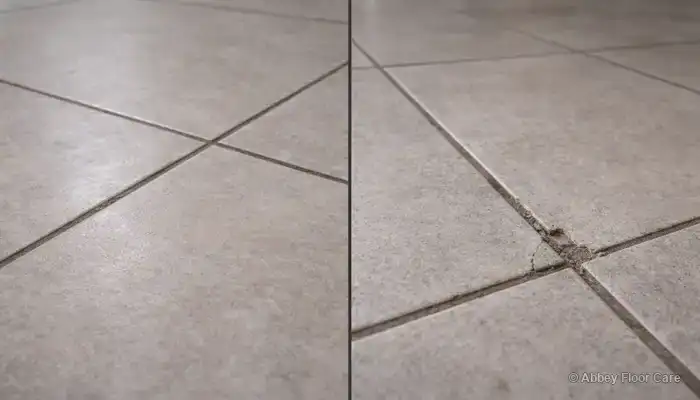
Over time, fine residues from routine cleaning can build up on the surface, trapping dirt within the texture of the flooring and resulting in unattractive appearances. In addition, grout can darken, become discoloured, or present a patchy appearance. While each of these issues may seem trivial on its own, when combined, they contribute to a common problem: floors that appear dull, streaky, uneven, or perpetually dirty.
While more information is available regarding the care and cleaning of ceramic and porcelain tiles, the essential takeaway here is to understand why your regular cleaning efforts may not produce visible results.
How Do Ceramic and Porcelain Tiles Display Distinct Aging Patterns?
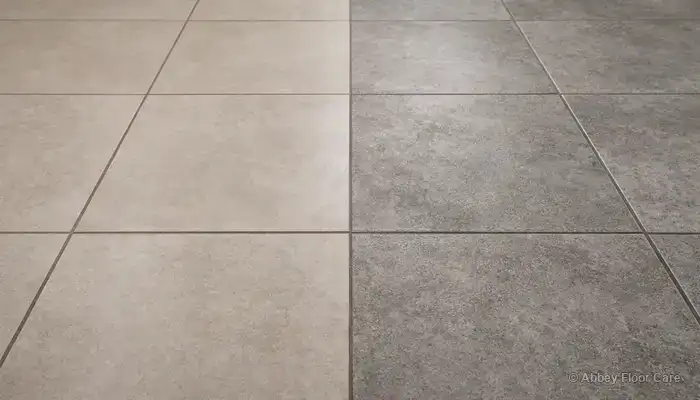
Although ceramic and porcelain are frequently grouped together, it is crucial to understand that they exhibit different behaviours and undergo unique aging processes.
Ceramic tiles typically feature a factory-applied glaze, and even matte ceramics possess a distinct surface layer that should not be altered or refinished. When issues arise with ceramic flooring, it is rarely due to changes in the tile surface itself and is often a result of other factors.
Porcelain tiles have a dense structure throughout, yet their performance is heavily influenced by the surface finish. Smooth porcelain generally facilitates easier cleaning, while textured or anti-slip porcelain surfaces can more easily trap dirt and residues. Furthermore, polished porcelain may lose its clarity if thin films accumulate over time, affecting appearance.
For those seeking more in-depth information, there are specialised resources discussing the behaviours and limitations of porcelain surfaces. Understanding this distinction is essential, as it lays the groundwork for all following discussions.
Why Does Grout Play a Vital Role in Shaping the Overall Look of Your Flooring?
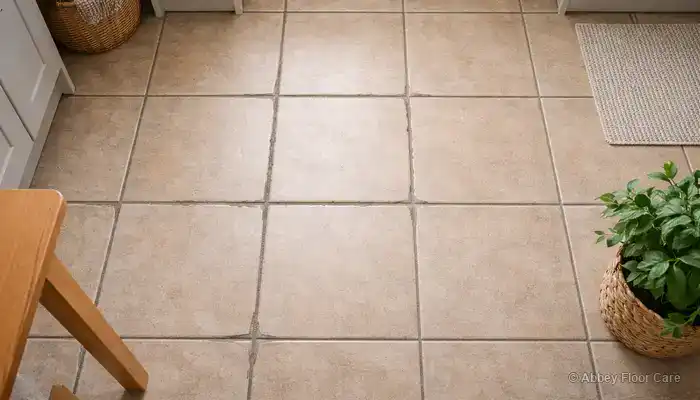
Grout operates quite differently compared to tiles. It is porous and absorbent, making it significantly more susceptible to changes than the surrounding tile surfaces. This vulnerability causes grout to experience staining, patchiness, and uneven coloration far more quickly than tiles.
This explains why grout often draws attention and affects the overall aesthetic appeal of a room. Even if the tiles appear clean, dark or uneven grout can make the entire floor look worn or neglected. If you have concentrated your cleaning efforts on the tiles but still feel unsatisfied, grout is frequently the missing element in your cleaning strategy.
Particular grout-related issues are explored on dedicated pages that address grout condition, repair, and renewal, as they operate under different principles than tile surfaces.
Clarifying the Differences Between Care, Cleaning, Sealing, Restoration, and Repair for Your Flooring
These terms are often used interchangeably, yet they describe distinct conditions and responses. This confusion notably contributes to the frustration associated with maintaining flooring.
- Care encompasses daily practices that help ensure a stable floor remains predictable and easy to maintain.
- Cleaning focuses on removing soil and residue that accumulate gradually over time.
- Sealing typically pertains to porous elements like grout and is not intended for coating tile surfaces by default.
- Restoration becomes necessary when routine cleaning no longer suffices to restore the floor's appearance.
- Repair addresses physical defects such as missing grout, cracked joints, or damaged tiles.
Each of these categories carries its own expectations and limitations. There are dedicated pages that cover sealing behaviours, restoration scenarios, and repair considerations, allowing this page to remain focused on orientation rather than detailed instruction.
What Are the Signs of a Well-Maintained Floor?
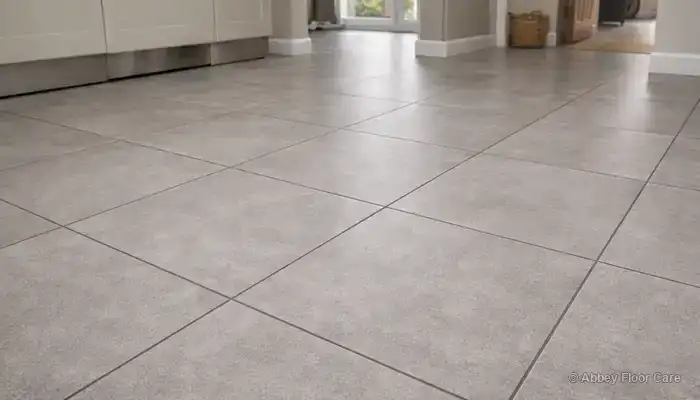
A floor that functions properly typically exhibits an even and predictable appearance. Cleaning does not result in unsightly smears, and the grout colour remains consistent. The surface does not feel coated or sticky, and marks do not appear immediately after cleaning.
These conditions are not standards of perfection; instead, they are indicators that the floor is operating as it should once more.
Understanding the Objectives of This Informative Resource
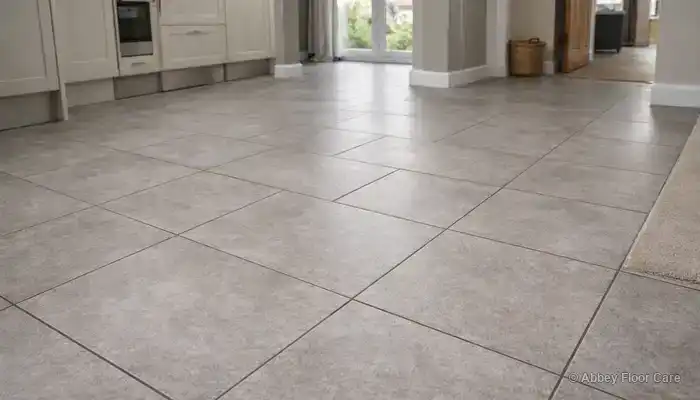
If you find that your ceramic or porcelain floor never appears entirely clean, take comfort in knowing you are not alone. This common issue does not imply that you have made an incorrect choice of tiles or that your maintenance efforts have been inadequate. In many cases, the frustration stems from surface behaviour, grout changes, and the accumulation of residue, rather than actual damage to the tiles.
This page is crafted to clarify these behaviours in straightforward language. More detailed guidance on cleaning limitations, sealing decisions, restoration thresholds, and repair scenarios can be found on separate pages, ensuring that those topics are thoroughly addressed without overwhelming this overview.
Once you comprehend the discrepancy between your expectations and the actual behaviour of your flooring, everything else becomes significantly easier to evaluate.
The article Ceramic and Porcelain Floors in Real Homes first appeared on https://www.abbeyfloorcare.co.uk
The Article Ceramic and Porcelain Floors: Transforming Real Homes appeared first on https://fabritec.org
The Article Ceramic and Porcelain Floors: Revamping Your Home Style Was Found On https://limitsofstrategy.com