Why Vitamin D Testing is Crucial for Newport Residents
What Environmental and Lifestyle Factors Impact Vitamin D Levels in Newport?
Private Vitamin D Blood Test in Newport: Various environmental and lifestyle factors influence the vitamin D levels of Newport residents. A key factor is geographical location, particularly the amount of sunlight exposure throughout the year. In winter, residents often experience reduced sunlight, which leads to lower vitamin D synthesis in the skin.
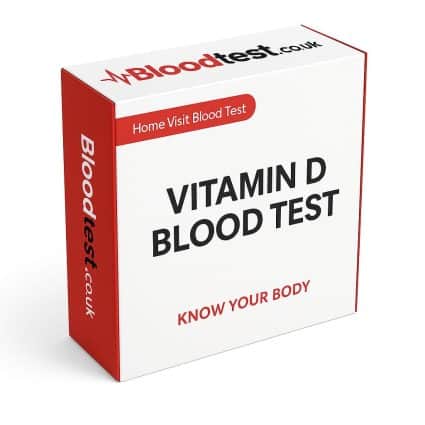

To geographic factors, lifestyle choices play a significant role in vitamin D status. Elements such as diet, frequency of physical activity, and time spent outdoors can greatly affect vitamin D levels. Many Newport residents may have limited sun exposure due to work commitments or predominantly indoor lifestyles, making regular testing essential for maintaining optimal health throughout the year.
What Are Your Convenient Options for Scheduling a Vitamin D Blood Test?
Newport residents have various options for scheduling a vitamin D blood test. The NHS offers testing through GP referrals, which is a viable choice for those who meet the necessary criteria. For individuals seeking quicker results, numerous private clinics in the area provide flexible appointment slots with minimal waiting times.
The booking process is user-friendly, with many clinics allowing online reservations or phone consultations. This flexibility empowers residents to choose a time that fits their schedules, ensuring consistent monitoring of their vitamin D levels.
Essential Preparation Tips for Newport Residents Before Testing
- Avoid taking vitamin D supplements for at least one week prior to your test.
- Stay well-hydrated by drinking plenty of water before your appointment.
- Wear clothing that allows easy access to your arm for blood sample collection.
- Inform your healthcare provider about any current medications you are taking.
Expert Insights on Vitamin D Blood Testing in Newport
Overview of Local Clinics Providing Testing Services
Newport boasts several reputable clinics offering vitamin D blood tests. Notable facilities, including the Newport Medical Centre and Stow Hill Health Centre, provide comprehensive testing services, ensuring accurate results and professional care. These clinics are well-regarded for their experienced staff and dedication to patient care.
Private establishments such as Spire Cardiff Hospital, while slightly further afield, offer advanced diagnostic services and faster turnaround times for results. These local practices are highly esteemed for their reliability and the quality of care provided to patients seeking vitamin D testing.
How to Accurately Interpret Your Test Results
Understanding your vitamin D test results is essential for your health. In the UK, a normal vitamin D level typically ranges from 25 to 50 nmol/L. Levels falling below 25 nmol/L indicate a deficiency, which may lead to various health issues, including bone weakness and immune system dysfunction.
Consulting healthcare professionals for accurate interpretation of these results is crucial. They can provide insights into the implications of your specific levels and recommend necessary actions based on your individual health profile and lifestyle in Newport.
What Steps Should You Take for Follow-Up Care?
If your vitamin D test indicates a deficiency, it is important to take proactive steps. Healthcare providers in Newport may recommend lifestyle changes, such as increasing outdoor activities to boost sun exposure or adjusting your diet to include more vitamin D-rich foods, such as fatty fish, egg yolks, and fortified products.
Your doctor may also suggest vitamin D supplements, particularly during the winter months when sunlight is scarce. Regular follow-up tests can help monitor your progress and ensure you are on track to achieving optimal vitamin D levels.
What Symptoms Should Prompt Testing for Low Vitamin D Levels?
How Can You Recognise Early Signs of Deficiency?
Common symptoms of low vitamin D levels include fatigue and muscle weakness, which often appear first. Many Newport residents may mistakenly attribute these sensations to general tiredness or stress, overlooking the deficiency that could be impacting their health.
In more severe cases, low vitamin D can lead to significant issues, such as bone pain or mood fluctuations. Recognising these early signs is crucial for individuals to seek testing and address potential deficiencies before they escalate into more serious health problems.
What Impact Can Low Vitamin D Levels Have on Daily Life?
Inadequate vitamin D levels can negatively affect daily life, leading to decreased energy and overall vitality. For many in Newport, this may result in diminished productivity at work or reduced enjoyment of leisure activities, creating a cycle of inactivity and further health complications.
Addressing vitamin D deficiency can enhance energy levels, improve mood, and boost overall wellbeing. Individuals experiencing symptoms should consider getting tested to restore their vitality and enhance their quality of life.
When Should You Consider Testing?
If you experience persistent symptoms such as fatigue, muscle weakness, or mood fluctuations, it may be wise to seek a vitamin D blood test in Newport. Early detection is crucial for effectively managing potential deficiencies and facilitating timely interventions.
Individuals at higher risk, such as those with limited sun exposure or specific dietary restrictions, should consider regular testing even in the absence of symptoms. Proactive health management can help prevent complications associated with low vitamin D levels.
How to Prepare Effectively for Your Blood Test Appointment
What Dietary Changes Should You Make Before Testing?
Before your vitamin D blood test, it is advisable to implement specific dietary changes to ensure accurate readings. Avoiding vitamin D supplements for at least one week prior to the test is essential, as this can distort the results.
It is also recommended to limit excessive consumption of fatty foods the day before your appointment. A balanced diet leading up to the test can provide a clearer picture of your vitamin D status once the blood sample is analysed.
What Is the Best Timing for Your Test?
The timing of your blood test can influence the accuracy of the results. Morning appointments are often favoured for vitamin D testing, as levels can fluctuate throughout the day due to factors such as dietary intake and sun exposure.
Scheduling your test in the morning helps ensure consistent results, making it easier for healthcare providers to assess your vitamin D levels accurately. This practice contributes to more effective management of your health.
How Does the NHS Testing Pathway Function?
For Newport residents, the NHS provides a pathway for vitamin D testing through GP referrals. This service is accessible to individuals who meet specific criteria, such as those displaying symptoms of deficiency or at risk due to limited sun exposure.
Utilising the NHS pathway guarantees a thorough evaluation of your vitamin D status at no cost. This accessibility promotes health equity, allowing all residents to monitor their vitamin D levels and maintain optimal health.
What Are the Benefits of Private Testing Options?
Private testing for vitamin D levels offers multiple advantages, including quick result turnaround times. Many individuals in Newport choose private clinics when they seek immediate answers or prefer a more tailored approach to their healthcare.
These clinics typically provide a more streamlined experience, featuring flexible appointment options and faster access to specialists for follow-up consultations. This convenience can be particularly beneficial for those with busy schedules or urgent health concerns.
What Costs and Availability Should You Anticipate?
When considering vitamin D testing in Newport, it is important to be aware of the associated costs. Here are some average prices for testing at local facilities:
- NHS Pathway: Free with GP referral
- Private Clinic: £50 – £100
- Home Testing Kit: £30 – £60
- Follow-Up Consultation: £40 – £80
These prices may vary depending on the clinic and the specific services offered. It is advisable to confirm with individual facilities for the most accurate pricing and availability.
How to Access Local Vitamin D Testing Services
Accessing vitamin D testing services in Newport is relatively straightforward. Residents can begin the process by consulting their GP, who can provide referrals for NHS testing if necessary. This option is particularly beneficial for those with financial constraints or who prefer a more traditional healthcare route.
For those seeking quicker access, private clinics are conveniently situated throughout Newport, offering flexible appointment times and streamlined services. Conducting online searches can assist in identifying nearby facilities, making it easy to find a suitable venue for testing.
Evidence-Based Benefits of Vitamin D Blood Testing in Newport
How Vitamin D Testing Contributes to Strong Bone Health
Research shows that maintaining adequate vitamin D levels is essential for bone health. In Newport, individuals who undergo regular testing and subsequent supplementation have reported improved bone density and a lowered risk of fractures.
For instance, a local study revealed that residents who consistently monitored their vitamin D levels and adjusted their intake accordingly faced fewer bone-related issues. This emphasises the importance of testing in preventing long-term health complications associated with deficiencies.
What Role Does Vitamin D Play in Strengthening Immune Function?
Vitamin D is vital for supporting the immune system. Studies indicate that maintaining sufficient levels can enhance the body’s ability to fight infections and reduce the risk of chronic diseases. For Newport residents, regular testing can help ensure optimal immune function.
Research has demonstrated that individuals with adequate vitamin D levels are less susceptible to respiratory infections, especially during the winter months. This connection underlines the importance of monitoring vitamin D status as part of a comprehensive health strategy.
How Does Vitamin D Testing Enhance Overall Wellbeing?
Regular vitamin D testing can improve overall wellbeing, as maintaining sufficient levels correlates with enhanced mood and energy. Newport residents who prioritise their vitamin D status often report better mental clarity and emotional stability.
Taking proactive measures based on test results, such as increasing outdoor activity or making dietary adjustments, can significantly enhance an individual’s quality of life. This proactive approach is crucial for fostering long-term health and wellbeing.
What Is the Relationship Between Vitamin D Levels and Cardiovascular Health?
Recent studies in the UK highlight a correlation between vitamin D levels and cardiovascular health. Regular vitamin D blood tests can help identify deficiencies linked with heart disease, enabling Newport residents to take preventive actions.
For example, individuals with low vitamin D levels may face a heightened risk of hypertension and other cardiovascular conditions. By monitoring these levels, residents can collaborate with healthcare professionals to develop lifestyle strategies that support heart health.
How Can Vitamin D Testing Monitor Improvements in Mental Wellbeing?
Research increasingly underscores the connection between vitamin D levels and mental health. In Newport, studies suggest that individuals with adequate vitamin D levels experience lower rates of mood disorders, such as depression and anxiety.
Implementing testing protocols focused on vitamin D status can benefit communities by facilitating targeted supplementation and follow-up care. This approach not only addresses deficiencies but also supports mental wellbeing, especially during the darker months.
Where Can You Find Reliable Testing Results?
How to Select Accredited Laboratories for Testing
Choosing an accredited laboratory for vitamin D testing is vital for obtaining reliable results. Newport residents should seek facilities that are certified and well-known for their accuracy and dependability.
Accredited laboratories typically adhere to strict quality control protocols, ensuring that test results are both precise and consistent. This focus on quality provides reassurance, knowing that your health information is in skilled hands.
What Should You Consider When Evaluating Home Testing Kits?
Home testing kits for vitamin D levels are becoming increasingly popular, offering convenience for those who prefer to sample at home. These kits enable Newport residents to collect their blood samples and send them to a laboratory for analysis.
While home testing provides ease, it is crucial to choose reputable brands that offer clear instructions and dependable results. Researching user reviews and seeking recommendations can help ensure a positive experience with home testing options.
What Key Questions Should You Ask Your Provider in Newport?
When seeking a vitamin D blood test, it is important to ask your healthcare provider specific questions to ensure comprehensive care. Here are some essential questions to consider:
- What is the purpose of the vitamin D test?
- How should I prepare for the test?
- What are the normal ranges for vitamin D levels?
- What actions should I take if my levels are found to be low?
These questions can help clarify the testing process and provide valuable insights into your health management strategy.
Recommended Aftercare and Follow-Up Procedures for Optimal Health
How to Effectively Monitor Your Progress Over Time
Once you receive your vitamin D test results, it is crucial to monitor your progress over time. Regular retesting can help track improvements and ensure that any interventions, such as dietary changes or supplementation, are effective.
For Newport residents, establishing a follow-up schedule with healthcare providers can facilitate ongoing monitoring. This proactive approach allows for timely adjustments to health plans as needed, promoting sustained wellbeing.
What Lifestyle Changes Should You Implement?
Incorporating lifestyle modifications can significantly boost vitamin D levels. For Newport residents, spending more time outdoors and engaging in regular physical activity can enhance vitamin D synthesis through sun exposure.
Adjusting dietary habits to include more vitamin D-rich foods can support overall health. These changes, combined with regular testing, create a comprehensive strategy for maintaining optimal vitamin D levels and overall wellbeing.
How to Formulate Long-Term Health Strategies
Developing long-term health strategies is essential for preventing future vitamin D deficiencies. Newport residents should consider incorporating regular testing into their healthcare routine, alongside lifestyle changes that encourage healthy vitamin D levels.
Establishing habits such as spending more time outdoors, eating a balanced diet, and staying informed about the role of vitamin D in health can foster a sustainable approach to wellbeing. These strategies contribute to lasting health benefits.
Why Is Patient Education on Deficiency Symptoms Important?
Educating patients about the symptoms of vitamin D deficiencies is vital for effective health management. Residents of Newport should be aware of signals such as fatigue, muscle weakness, and mood changes, enabling them to seek assistance promptly.
Understanding when to reach out to healthcare professionals for guidance ensures timely intervention and supports overall wellbeing. This proactive approach encourages individuals to take charge of their health, promoting a culture of awareness and prevention within the community.
How to Collaborate with Healthcare Providers for Effective Care
Effective follow-up care involves working closely with healthcare providers to tailor plans based on individual needs. Newport residents can benefit from open communication with their doctors, ensuring that health strategies are customised and responsive to changes in vitamin D levels.
This collaborative approach enhances health outcomes, as healthcare providers can offer targeted recommendations and support based on test results. Regular consultations can help maintain optimal vitamin D status and overall health.
Frequently Asked Questions Regarding Vitamin D Testing
What Does a Vitamin D Blood Test Measure?
A vitamin D blood test measures the level of vitamin D in your bloodstream, helping to determine whether you have sufficient levels for optimal health.
How Often Should You Test for Vitamin D?
It is generally advised to test at least once a year, especially during winter months when sunlight exposure is limited. Consult your healthcare provider for personalised recommendations.
Can You Access a Vitamin D Test Through the NHS?
Yes, Newport residents can access vitamin D testing through the NHS with a GP referral if they meet specific criteria.
What Are the Symptoms of Vitamin D Deficiency?
Common symptoms include fatigue, muscle weakness, bone pain, and mood changes. If you experience these, it may be time to get tested.
Are There Risks Associated with the Blood Test?
The vitamin D blood test is generally safe, with minimal risks involved. Some individuals may experience slight discomfort or bruising at the needle site.
How Long Will It Take to Receive Test Results?
Results from vitamin D blood tests usually take a few days to a week, depending on the laboratory’s processing time.
Should You Take Supplements Before the Test?
It is advisable to refrain from vitamin D supplements for at least one week prior to the test to ensure accurate results.
What Foods Are High in Vitamin D?
Foods rich in vitamin D include fatty fish, egg yolks, fortified dairy products, and certain mushrooms. Incorporating these into your diet can help maintain healthy levels.
What Should You Do If Your Results Indicate Low Levels?
Consult your healthcare provider for guidance on supplementation, dietary changes, and lifestyle adjustments to improve your vitamin D levels.
Is Home Testing for Vitamin D Available?
Yes, home testing kits are available, enabling you to collect a sample at home and send it to a lab for analysis. Ensure you choose a reputable kit for accurate results.
Connect with us on our Facebook profile!
This Article Was First Found On https://bloodtest.co.uk
The Article Vitamin D Blood Test: Your Essential Guide in Newport found first on https://electroquench.com