Your Definitive Guide to Pregnancy Blood Tests Across the UK
What is the function and procedure of a pregnancy blood test?
Private Pregnancy Blood Test in Cheltenham: A pregnancy blood test is an essential medical evaluation that measures hormone levels in a woman’s blood to ascertain pregnancy status. This process usually involves a simple blood draw at a local healthcare facility in the UK, enabling accurate early detection of pregnancy. many women opt to visit their GP or a private clinic in Cheltenham for this straightforward test, which can yield results within a few days.
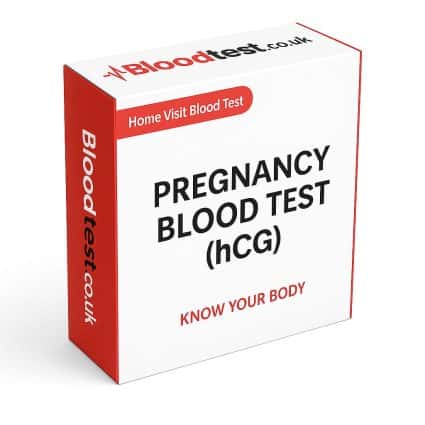

These blood tests are particularly advantageous for confirming early pregnancy, as they can identify hormones such as human chorionic gonadotropin (hCG) much earlier than standard home pregnancy tests. Receiving a definitive answer can provide significant reassurance to women experiencing early signs of pregnancy. A variety of clinics in Cheltenham and throughout the UK offer these tests, ensuring that this critical healthcare service remains accessible.
What varieties of pregnancy blood tests are offered in the UK?
The UK features a range of pregnancy blood tests, with the beta-hCG test being the most frequently utilised for early pregnancy detection. This test measures the level of hCG in the bloodstream, which significantly rises during the initial stages of pregnancy. Expectant mothers can choose between NHS services and private clinics based on their needs and preferences.
Some clinics may also provide quantitative hCG tests that assess the precise amount of hCG in the blood. This can be particularly beneficial for monitoring pregnancy progression. The availability of such services empowers women in Cheltenham to receive timely medical support, minimising disruption to their daily lives during this crucial period.
What important steps should you follow before your test?
Before proceeding with a pregnancy blood test at a facility in the UK, it is crucial to consider several preparatory steps. Consulting with a GP is recommended to address any concerns and confirm that the test meets your specific health needs. This initial discussion can enhance health outcomes by providing customised advice tailored to individual requirements.
In certain instances, fasting may be required prior to the test, although this is not universally applicable. It is essential to adhere to any specific instructions provided by the clinic to ensure accurate results. Adequate preparation can significantly ease any anxiety related to the procedure, resulting in a more positive experience.
What is the Procedure for Performing a Pregnancy Blood Test?
What occurs during the testing process?
During a pregnancy blood test, a healthcare professional will draw a small blood sample from a vein, usually situated in the arm. This procedure is generally quick and straightforward, taking merely a few minutes. The sample is subsequently sent to a laboratory for analysis to determine the presence of pregnancy hormones.
Results from the test are typically available within a few days, offering individuals timely insight into their pregnancy status. This prompt turnaround can substantially lessen anxiety for those eager to verify their pregnancy and plan accordingly. The trustworthiness of these results solidifies this testing method as a preferred choice in medical practice throughout the UK.
What advantages does a pregnancy blood test offer compared to other methods?
Opting for a pregnancy blood test over home testing kits presents several significant benefits. Primarily, blood tests are renowned for their superior accuracy, as they can detect pregnancy hormones at much lower concentrations than many home tests. This capability is particularly advantageous for early detection, which is vital for ensuring appropriate prenatal care.
To confirming pregnancy, blood tests can provide a wealth of information regarding hormone levels, crucial for spotting potential complications early. Many healthcare providers in the UK advocate blood tests as the preferred method for pregnancy confirmation, especially for women with irregular cycles or other health concerns.
How should you interpret the results of your pregnancy blood test?
The outcomes of a pregnancy blood test will indicate either a positive or negative pregnancy status. A positive result typically confirms pregnancy, while a negative result suggests the contrary. It is crucial to interpret these findings within the context of individual health and circumstances.
In certain situations, results may reveal low levels of hCG, which could signify either an early pregnancy or potential complications. UK guidelines recommend consulting with a healthcare provider to discuss the results and establish appropriate next steps for ongoing monitoring and support. This follow-up is vital for safeguarding the health and wellbeing of both the mother and the developing baby.
What Advantages Do Pregnancy Blood Tests Provide in the UK?

How reliable are pregnancy blood tests?
Pregnancy blood tests performed in the UK generally exhibit high accuracy, often exceeding 99% for detecting pregnancy when conducted correctly. This level of precision is crucial during early stages of pregnancy, as it allows for timely interventions and monitoring, significantly influencing both maternal and fetal health.
The key benefits of pregnancy blood tests include:
- Confirmation of early pregnancy
- Accurate evaluation of hormone levels
- Ability to monitor potential complications
- Access to prompt medical advice and support
These advantages contribute to improved health outcomes for expectant mothers, enabling the formulation of personalised care plans that cater to their specific needs and situations.
What advantages do these tests provide to pregnant women?
For expectant mothers, the reassurance offered by a pregnancy blood test is invaluable. These tests deliver detailed insights into pregnancy status and hormone levels, enabling healthcare providers to devise personalised care plans that effectively address potential complications. This tailored approach can greatly enhance the overall pregnancy experience.
Receiving results promptly empowers women to make informed decisions regarding their health and lifestyle during this critical period. With access to comprehensive care options, expectant mothers in Cheltenham can feel more supported and empowered as they navigate their pregnancies. Such attentive care is essential for ensuring the wellbeing of both mother and child.
What long-term health insights can pregnancy blood tests reveal?
Beyond merely confirming pregnancy, blood tests can uncover additional health markers vital for ongoing maternal care. For example, they can help detect conditions such as ectopic pregnancies or hormonal imbalances that may influence the progression of the pregnancy. This information allows healthcare providers in the UK to offer thorough advice and support for healthier pregnancies.
Understanding these health markers can lead to proactive measures that enhance the overall pregnancy experience. By identifying potential concerns early, expectant mothers can benefit from necessary interventions and support, ultimately promoting healthier outcomes for themselves and their babies. This holistic approach is foundational to maternal health practices in the UK.
Expert Insights on Pregnancy Blood Tests in Cheltenham
What do professionals say about the dependability of these tests?
Experts at clinics in Cheltenham consistently affirm the reliability of pregnancy blood tests, citing numerous studies that support their accuracy and effectiveness. Many healthcare professionals stress that these tests provide a dependable method for confirming pregnancy and monitoring hormone levels, crucial for early prenatal care.
The consistent results reported by local clinics align with protocols across the UK, ensuring that patients receive high-quality care. This confidence in the testing process enables expectant mothers to feel more secure in their healthcare choices, knowing they are receiving evidence-based support during this significant time in their lives.
What recommendations do specialists provide?
Specialists advise several best practices for individuals considering a pregnancy blood test in Cheltenham. Firstly, arranging the test through a GP ensures optimal timing, as they can offer guidance on when to test based on personal circumstances. This approach can result in more accurate results and better-informed decisions.
Healthcare professionals encourage patients to prepare adequately for the test by following any pre-test instructions given by the clinic. This preparation can enhance result reliability and facilitate a smoother testing experience. By adhering to these expert recommendations, individuals can approach the testing process with increased confidence and ease.
What practical advice do experts offer to patients?
Healthcare professionals frequently share valuable tips for individuals preparing for a pregnancy blood test. For example, they recommend documenting any symptoms experienced, such as missed periods or unusual fatigue, as this information can be beneficial during consultations. Compiling a list of questions for the healthcare provider ensures that all concerns are addressed appropriately.
Experts also emphasise the significance of maintaining open communication with healthcare providers throughout the process. This dialogue helps individuals feel more supported and informed, empowering them to make better decisions regarding their health and pregnancy. Real-life examples from UK professionals illustrate the advantages of thorough preparation and proactive engagement with healthcare services.
What are expert perspectives on advancements in testing?
Recent advancements in pregnancy blood testing have attracted attention from specialists in Cheltenham and beyond. Numerous clinics are adopting the latest technologies and research to enhance the accuracy and efficiency of these tests. For instance, some facilities now utilise automated systems for analysing blood samples, improving turnaround times and reducing the likelihood of human error.
Continued research into hormone levels and their implications for pregnancy informs best practices in maternal care. UK experts are dedicated to staying abreast of these developments, ensuring that patients receive the most current and effective care possible. This commitment to innovation is essential for elevating the standards of pregnancy testing and care in Cheltenham.
What advice do specialists provide regarding potential risks and their mitigation?
While pregnancy blood tests are generally safe, experts in Cheltenham advise being aware of potential risks associated with the procedure. For example, there is a small possibility of receiving a false positive or negative result, which could lead to unnecessary anxiety or delayed care. Healthcare professionals recommend thorough consultations to discuss any concerns and ensure individuals fully understand the testing process.
Specialists emphasise the importance of comprehensive health assessments before testing. By reviewing factors such as medical history and current health status, healthcare providers can minimise risks and enhance result accuracy. This proactive approach to care is vital for ensuring the best possible outcomes for expectant mothers in Cheltenham.
What Are the Costs of Pregnancy Blood Tests?
What is the typical price range in the UK?
The cost of a pregnancy blood test in the UK can vary considerably based on whether individuals opt for NHS or private services. Typically, NHS tests are provided at no cost to eligible patients, making them accessible for routine checks without financial burden. In contrast, private clinics may charge fees starting at around £50, depending on the specific services offered.
These costs are often regarded as reasonable given the significance of early pregnancy confirmation and monitoring. Many women in Cheltenham appreciate the availability of both NHS and private options, enabling them to select a service that best fits their needs and budget. This flexibility is crucial for ensuring all expectant mothers can access essential healthcare services.
What factors influence the pricing of tests?
Several factors can influence the pricing of pregnancy blood tests in the UK. One notable factor is the clinic’s location; private facilities in more affluent areas may charge higher fees. The specific type of test performed can also affect costs; for instance, more comprehensive tests providing additional health insights may incur a premium.
Insurance coverage is another significant factor that impacts out-of-pocket expenses. Many UK insurance plans include coverage for pregnancy blood tests, allowing individuals to undergo testing with minimal financial impact. Understanding these factors can help expectant mothers make informed decisions regarding their healthcare costs and options.
Is insurance coverage available for these tests?
In the UK, many insurance policies provide coverage for pregnancy blood tests, helping to alleviate some of the financial burdens associated with prenatal care. This coverage typically extends to both NHS and private testing options, enabling individuals to choose the service that best aligns with their needs without incurring substantial out-of-pocket costs.
Individuals should review their specific insurance policies to ascertain the extent of coverage and any potential limitations. Factors such as deductibles and co-pays can vary, so being informed can assist expectant mothers in navigating their healthcare decisions more effectively. This financial support is critical for ensuring all women have access to necessary testing and care.
Research-Supported Advantages of Pregnancy Blood Tests in Cheltenham
What do UK studies reveal about these tests?
Research conducted in the UK highlights the numerous benefits of pregnancy blood tests, particularly regarding early detection and effective pregnancy management. Studies demonstrate that timely testing can enhance health outcomes by facilitating early identification of potential complications and enabling healthcare providers to implement appropriate interventions.
These findings underscore the importance of incorporating blood tests into routine prenatal care. By prioritising early testing, expectant mothers in Cheltenham can benefit from data-driven health strategies that promote safer pregnancies. This evidence-based approach is essential for improving the overall quality of maternal care in the UK.
How do these tests help in preventing complications?
Pregnancy blood tests play a pivotal role in the early detection of potential complications, significantly enhancing health outcomes for both mothers and babies. For instance, these tests can help identify issues such as ectopic pregnancies or abnormal hormone levels that may require immediate medical attention. Early intervention can be crucial in preventing more severe complications later on.
Evidence from the UK supports the notion that proactive measures, such as regular blood testing, can lead to healthier pregnancies. By addressing risks early, healthcare providers can offer tailored advice and support, ensuring expectant mothers receive the necessary care to navigate their pregnancies safely. This focus on prevention is a fundamental aspect of maternal health practices in the UK.
What outcomes do experts advocate for?
Experts endorse the advantages of pregnancy blood tests, highlighting their role in enhancing maternal care practices in the UK. Research indicates that women who undergo regular testing are more likely to receive timely interventions and personalised care, resulting in better overall health outcomes for both mothers and babies.
Healthcare professionals recommend integrating blood tests into routine prenatal care to maximise these benefits. By prioritising early detection and monitoring, expectant mothers in Cheltenham can take an active role in their health and wellbeing during pregnancy. This collaborative approach between patients and healthcare providers is essential for fostering positive experiences and outcomes.
How Should You Prepare for Your Blood Test?
What essentials should you bring to your appointment?
When preparing for a pregnancy blood test in the UK, it is important to carry several essential items to ensure a seamless experience. Firstly, a form of identification, such as a passport or driver’s licence, is necessary for verification at the clinic. Bringing a record of your medical history or current medications can also be advantageous.
This information aids healthcare providers in understanding your individual health needs and tailoring the testing process accordingly. Being well-prepared not only facilitates efficient processing but also contributes to a more positive overall experience. Expectant mothers in Cheltenham should take these factors into consideration when planning their visit to the testing facility.
What dietary and lifestyle tips should you follow before the test?
Before undergoing a pregnancy blood test, individuals are often advised to adhere to certain dietary and lifestyle recommendations to optimise results. Staying well-hydrated is crucial, as it can make the blood draw smoother and more comfortable. Ensuring adequate rest the night before the test can help reduce stress and anxiety, leading to a more positive experience.
It is also advisable to limit caffeine and alcohol intake in the days leading up to the test, as these substances can potentially affect hormone levels. By following these UK health recommendations, individuals can enhance their overall wellbeing and ensure the most accurate results possible from their pregnancy blood test.
What follow-up advice should you consider after the test?
After undergoing a pregnancy blood test, it is important to monitor the blood draw site for any adverse reactions. While complications are rare, being vigilant about potential side effects can help ensure a smooth recovery. If any unusual symptoms occur, it is prudent to contact the healthcare provider for guidance.
Scheduling a follow-up appointment with a GP or specialist to discuss the results is critical. This consultation allows individuals to receive personalised advice and support based on their test outcomes. By prioritising these post-test guidelines, expectant mothers in Cheltenham can facilitate ongoing care and ensure their health remains a top priority.
When is the Optimal Time for Testing?
What timings are regarded as ideal for testing?
The optimal timing for a pregnancy blood test in the UK is generally about one week after a missed period. This period allows for the most accurate detection of pregnancy hormones, as hCG levels rise significantly during early pregnancy. For women with irregular cycles, consulting a healthcare provider for personalised testing recommendations may be beneficial.
Early testing is crucial for confirming pregnancy status and initiating prenatal care as soon as possible. By adhering to these guidelines, expectant mothers in Cheltenham can ensure they receive timely and effective support during this important phase of their lives.
What signs indicate the need for testing?
Common symptoms that suggest the necessity for a pregnancy blood test include missed periods, unusual fatigue, and changes in appetite. If individuals experience these signs, it is advisable to seek testing to confirm or rule out pregnancy. UK guidelines stress the importance of prompt action when symptoms arise, as early detection can profoundly influence prenatal care.
Women with a history of previous complications or health concerns should consider testing as soon as possible. By being proactive and addressing potential issues early, expectant mothers can ensure they receive the necessary support and care throughout their pregnancy journey.
How often should follow-up tests be conducted?
The frequency of follow-up tests after an initial pregnancy blood test can vary based on individual circumstances and the results obtained. UK protocols suggest that women with positive results may require additional testing to monitor hormone levels, especially if complications are suspected.
Healthcare providers typically recommend scheduling follow-up appointments based on initial outcomes. Regular checks can help track the progression of the pregnancy and ensure any potential issues are addressed promptly. This proactive approach is essential for maintaining the health and wellbeing of both mothers and babies throughout pregnancy.
When should testing occur after potential exposure?
In the UK, testing for pregnancy is advisable shortly after potential exposure, such as unprotected intercourse or contraceptive failure. Early testing enables timely detection of pregnancy and assists individuals in making informed decisions regarding their health and future care. Following NHS guidelines, women are encouraged to seek testing as soon as they suspect they may be pregnant.
Prompt testing can also facilitate early prenatal care, which is essential for optimising outcomes for both mother and child. By adhering to these recommendations, expectant mothers in Cheltenham can take proactive steps to manage their health and minimise complications effectively.
What Steps to Take After the Test?
How do you interpret your results?
Once the results of a pregnancy blood test are available, UK laboratories provide clear reports that guide individuals on the implications of their findings for their pregnancy journey. A positive result typically indicates pregnancy, while a negative result suggests otherwise. It is essential to interpret these results within the context of personal health and circumstances.
Healthcare providers play a crucial role in helping individuals understand their results and the subsequent actions to take. This guidance is vital to ensuring that expectant mothers receive the necessary support and care tailored to their unique situations. By collaborating closely with healthcare professionals, individuals can navigate their pregnancy journey with greater confidence and clarity.
When should you seek additional medical advice?
If the results of a pregnancy blood test are unclear or raise concerns, it is important to seek further medical advice from a healthcare provider. This consultation can help address any questions or uncertainties regarding the results and provide personalised recommendations for next steps.
UK specialists are equipped to offer additional support and guidance tailored to individual circumstances, ensuring that expectant mothers receive the care they need during this critical time. Prioritising open communication with healthcare providers enables individuals to remain well-informed and supported throughout their pregnancy journey.
What areas of emotional and physical care should you focus on?
After the test, individuals should concentrate on self-care routines that promote both emotional and physical wellbeing. This may involve engaging in relaxation techniques, such as mindfulness or gentle exercise, to manage stress and anxiety. Maintaining a balanced diet and staying hydrated can support overall health during this time.
In the UK, many healthcare providers emphasise the importance of emotional care, recognising that mixed feelings can accompany pregnancy. Seeking support from friends, family, or professional counselling services can be beneficial for managing emotions and ensuring a positive experience throughout the pregnancy journey.
How should you discuss results with partners and family?
In the UK, discussing test outcomes with partners and family members is a crucial aspect of navigating the pregnancy journey. Sharing results can help foster a support network, facilitate shared decision-making, and address emotional needs. Open communication with loved ones can cultivate a sense of togetherness and understanding during this pivotal time.
Involving partners in the discussion can strengthen relationships and ensure both individuals feel supported throughout the pregnancy. This collaborative approach to sharing results can enhance the overall experience and contribute to a positive atmosphere as the family prepares for the arrival of a new member.
How should you plan future actions based on your results?
After receiving test results, individuals in the UK should outline their next steps based on the findings. This may involve consulting healthcare providers for tailored advice, adjusting lifestyle habits, or preparing for potential treatments. Being proactive about these actions can significantly enhance the overall pregnancy experience.
Engaging in discussions with healthcare professionals can help clarify any uncertainties and ensure that expectant mothers feel confident in their decisions. By prioritising these next steps, individuals can navigate their pregnancy journey with greater ease and ensure they are well supported throughout the process.
Frequently Asked Questions
What is the purpose of a pregnancy blood test?
A pregnancy blood test measures hormone levels in the blood to confirm whether a woman is pregnant. It provides accurate results earlier than home tests.
How soon can I take a pregnancy blood test?
You can take a pregnancy blood test approximately one week after a missed period for the most accurate results. Early testing can confirm pregnancy sooner.
Are pregnancy blood tests painful?
The blood draw for a pregnancy test is generally quick and involves minimal discomfort. Most individuals compare it to a standard blood test.
How long does it take to receive results?
Results from a pregnancy blood test are typically available within a few days, depending on the clinic and laboratory processing times.
Can I take a pregnancy blood test at home?
No, pregnancy blood tests must be conducted at a medical facility. Home tests generally measure hCG in urine, not blood.
What should I do if my test is positive?
If your pregnancy blood test is positive, schedule a follow-up appointment with your healthcare provider to discuss next steps and prenatal care options.
What if my test result is negative, but I still feel pregnant?
If you experience pregnancy symptoms despite a negative test result, consult your healthcare provider for further evaluation and possible retesting.
Are there any risks associated with pregnancy blood tests?
Pregnancy blood tests are generally safe, but there is a small risk of bruising or infection at the blood draw site. Always follow clinic guidelines.
What is the cost of a pregnancy blood test?
In the UK, pregnancy blood tests may be free through the NHS or cost around £50 at private clinics, depending on the services provided.
Will my insurance cover the cost of the test?
Many UK insurance plans cover pregnancy blood tests. Check your policy for specific coverage details and any out-of-pocket costs.
Connect with us on Facebook today!
This Article Was First Found On https://bloodtest.co.uk
The Article Pregnancy Blood Test in Cheltenham: Essential Information found first on https://electroquench.com