If you have ever searched for “tree lopper” in Newcastle, you may have noticed that terms such as tree lopping, tree pruning, and tree trimming are frequently used interchangeably. However, it is imperative to understand that these terms denote distinct processes, and recognising these differences is essential for preserving the health and longevity of your trees. With over 27 years of experience caring for trees throughout Newcastle and the Hunter Region, I can assert that comprehending the nuances between these methods is critical for your trees’ wellbeing. This knowledge is especially vital if you wish to ensure that your trees flourish following any maintenance work.
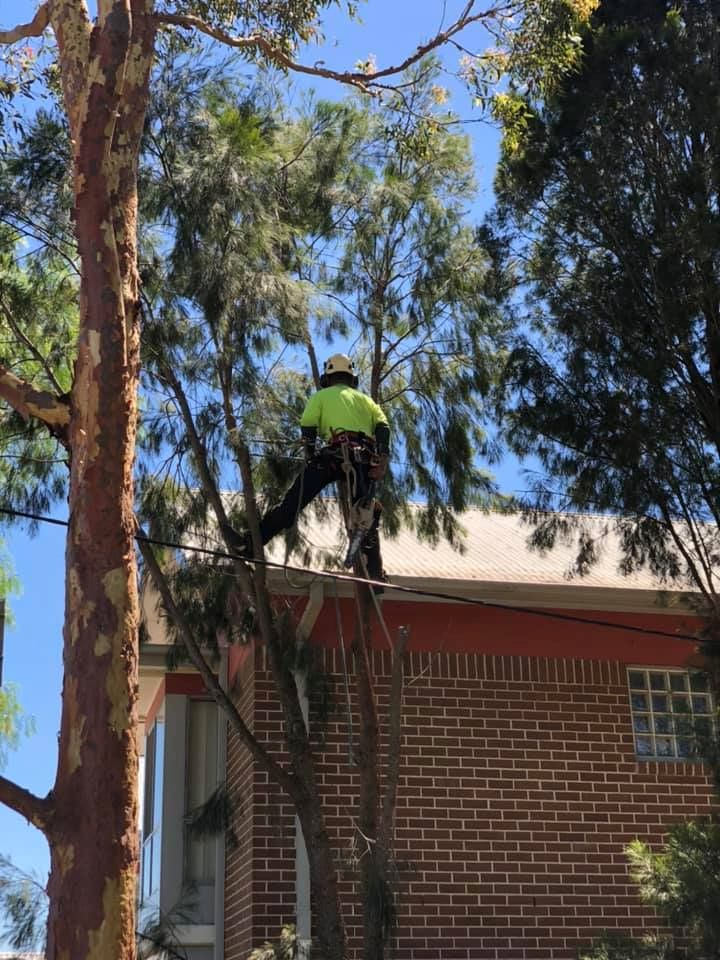
What Are the Risks Associated with Tree Lopping That You Should Know?
Tree lopping involves the indiscriminate removal of larger branches and the tops of trees, typically aimed at quickly reducing their size without regard for the tree’s overall structure or long-term health. While this method may seem quick and often less costly, it is typically performed by operators lacking the qualifications of a certified arborist.
The real danger lies not just in the act of cutting, but in the subsequent consequences.
Lopping creates large, blunt wounds that become challenging for a tree to defend against. Unlike a clean pruning cut made at the correct location, a lopping cut hinders the tree’s ability to compartmentalise and seal the wound effectively. This negligence invites diseases, rot, and wood-boring insects to invade those vulnerable areas. Concurrently, the stressed and damaged tree attempts to compensate by producing excessive fast-growing epicormic shoots—those bushy regrowths that often emerge after lopping. Although these shoots may appear as a sign of recovery, they are structurally weak and poorly attached, rendering them far more prone to breaking off during summer storms compared to the original branches that were removed.
In essence, lopping frequently escalates the risk to a tree rather than alleviating it, and it rarely resolves the underlying issues for any significant duration.
How Does Tree Pruning Enhance the Health of Your Trees?
Tree pruning involves the careful removal of specific branches for various purposes, such as eliminating dead wood, improving structure, reducing weight above a structure, clearing power lines, or enhancing light access to a garden. When executed correctly by a qualified arborist, pruning significantly boosts the tree’s health rather than harming it.
The precise placement of the cut is vital. A proper pruning cut is made just outside the branch collar—the slightly raised ring of tissue at the base of the branch—allowing the tree to seal the wound efficiently. Making the correct cut during the appropriate season with clean tools gives the tree the best chance to defend itself and continue to thrive healthily for many years to come.
This outcome stands in stark contrast to what lopping achieves, underscoring the significance of utilising appropriate pruning techniques.
Why Are Newcastle Trees More Vulnerable to Stress from Lopping?
The urban tree canopy in Newcastle primarily consists of species that do not respond well to lopping. This unfortunate reality is evident from my experiences throughout the city and the Hunter Region.
Spotted Gums and Eucalypts are prevalent in the yards and streetscapes of Newcastle, yet they are among the least suitable candidates for lopping. Eucalypts constantly endure stress from our hot summers, dry spells, and occasional coastal storms. Lopping exacerbates the acute stress that these already compromised trees face, leading them to drop branches unexpectedly. For instance, we recently assessed a Spotted Gum in Adamstown Heights that had previously been struck by lightning. This tree certainly did not need the additional trauma associated with improper pruning practices.
Brush Box is another species that thrives in the older suburbs of Newcastle and responds poorly to lopping. These substantial trees can grow to heights exceeding 20 metres in suburban backyards, leading to the temptation to simply cut off the top to rapidly reduce height. The result is typically a tree with multiple weakly attached regrowth leaders competing for dominance, any one of which could fail under load. I have examined Brush Box trees years after lopping, and the internal decay resulting from those previous lopping cuts is alarming.
Angophoras—the Sydney Red Gums found in the older areas of Newcastle, including Merewether, The Junction, and Bar Beach—are magnificent trees but are structurally complex. Their naturally twisted and irregular forms necessitate a deep understanding of how the tree distributes load before any major pruning takes place. Lopping an Angophora without this knowledge often creates more structural problems than it resolves.
Camphor Laurels pose an entirely different challenge when lopped; instead of harming the tree, it actually stimulates vigorous growth. Camphor Laurels respond to severe cuts by sprouting back with remarkable energy. If your goal is to manage or remove one, lopping should be the last option you consider.
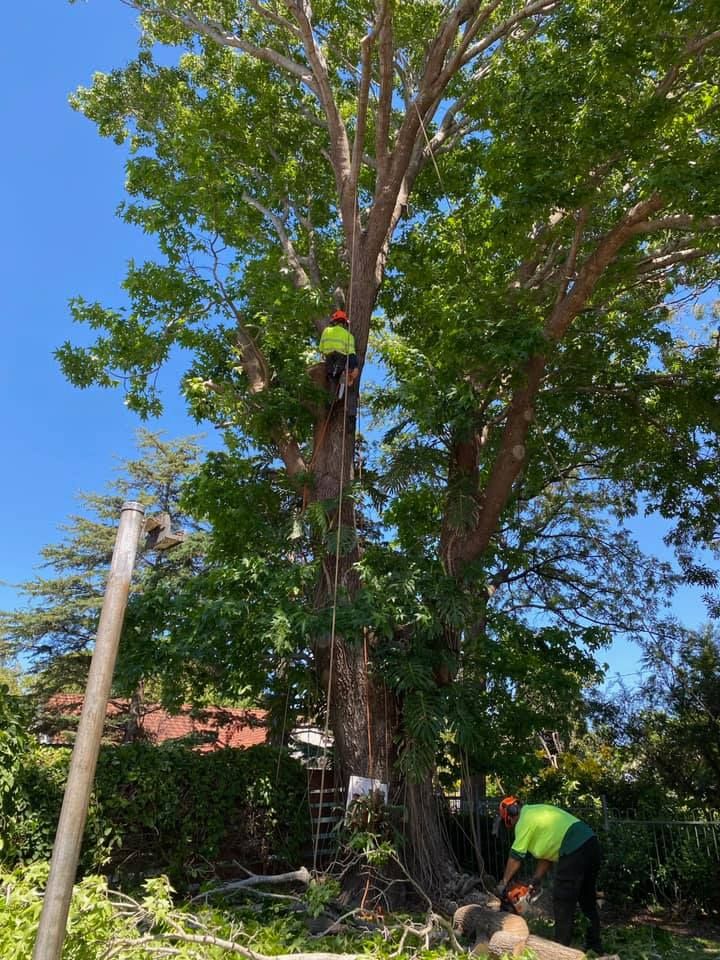
What Motivates People to Search for “Tree Loppers”?
Many individuals continue to use the term “tree lopper” because that is historically how the industry has identified itself in Australia. This term has been colloquial for decades, and most people searching for it simply want someone to manage an overgrown tree. They often do not intend to request harmful work; rather, they just lack awareness of more effective terminology or superior methods.
When you contact us, regardless of what you call us, you will receive a qualified arborist. We utilise proper pruning techniques on every job because that is the solution that effectively addresses the problem for the long term.
When Should You Consider Tree Removal as a Viable Alternative?
Pruning is not always the most appropriate solution. There are circumstances where a tree is too compromised, structurally unsound, or simply positioned incorrectly to warrant saving. A qualified arborist will provide you with an honest assessment of your situation, rather than merely opting for the easiest or most profitable job.
Here are some indicators that removal might be a more sensible choice than pruning:
- More than 50% of the canopy is dead or diseased
- The trunk exhibits significant internal decay or hollow sections
- The tree has developed a dangerous lean that has worsened recently
- Root damage has compromised the tree’s structural stability
- The species is known to create problems in a suburban environment—our team has even authored a detailed article about the trees we wish people would avoid planting in Newcastle backyards
A Comprehensive Comparison of Tree Lopping and Tree Pruning
| Tree Lopping | Tree Pruning | |
|---|---|---|
| Method | Indiscriminate cutting | Selective, targeted cuts |
| Qualified arborist? | Usually not | Yes |
| Effect on tree health | Often damaging | Improves health |
| Long-term result | Weaker, more dangerous tree | Stronger, safer tree |
| Cost | Cheaper upfront | Better value long-term |
Common Inquiries About Tree Care and Maintenance
Is tree lopping prohibited in NSW?
While lopping is not outright illegal, it is regarded as poor arboricultural practice under AS 4373-2007. Numerous councils have implemented tree protection orders that restrict what can be done to protected trees, irrespective of the terminology used. An experienced arborist will be aware of what is permissible in your area.
What is the average cost of tree pruning in Newcastle?
The costs of pruning can vary significantly based on the size of the tree, accessibility, and the specific work required. At Waratah, we offer free quotes—simply reach out to us with a photo and description for an accurate estimate.
How frequently should a tree be pruned to maintain optimal health?
Most trees benefit from an assessment every 3-5 years, although trees located near structures, power lines, or those with known health issues may require more frequent attention to ensure their safety and health.
Steven Brown is a senior arborist at Waratah Professional Tree Care, Newcastle’s ISO certified arborist with over 27 years of dedicated experience across Newcastle and the Hunter Region.
Are you in need of a pruning assessment or seeking a free quote?
Call us at (02) 4956 6602 or request a free quote online.
The Article: Tree Lopping vs Tree Pruning — What’s the Difference and Why It Matters first appeared on https://writebuff.com
The Article Tree Lopping vs Pruning: Key Differences and Importance Was Found On https://limitsofstrategy.com