Essential Elements for Crafting an Effective WordPress Website Design in the UK
Which Features Contribute to a Successful Website Design?
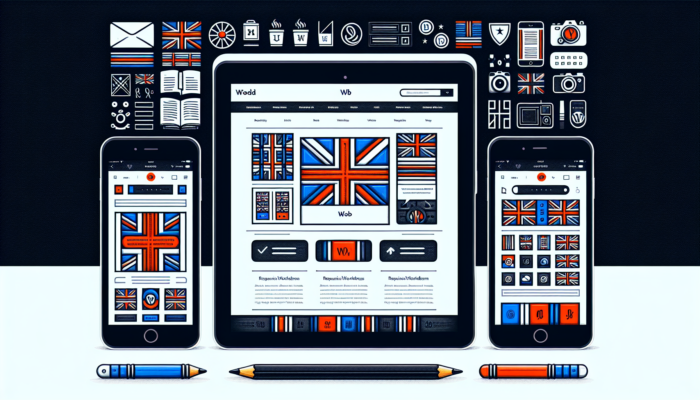
To create a powerful WordPress website design, certain features are essential. A responsive layout is crucial, ensuring the website adapts seamlessly across all devices, including smartphones and tablets. This aspect is particularly vital for UK businesses looking to enhance their digital footprint, as a significant proportion of users access websites on mobile devices. Furthermore, a well-organised user interface (UI) tailored specifically for the British audience can significantly enhance user engagement by offering easy and intuitive navigation. Including localised content strengthens ties with UK consumers by delivering relevant information and services that cater to their distinct needs.
Additionally, effective design must incorporate search engine optimisation (SEO) best practices from the outset. This involves optimising images, utilising appropriate heading tags, and ensuring swift loading times, all crucial for assisting UK businesses in achieving improved search engine rankings. A successful design transcends aesthetics; it prioritises creating a compelling user experience that drives conversions and fosters customer loyalty.
What Are the Common Challenges Encountered During Implementation?
Implementing a WordPress website in the UK can present various challenges that require thoughtful consideration. One prevalent issue is ensuring plugin compatibility. With thousands of plugins available, it is essential to ensure that they work together without causing conflicts, as this is vital for maintaining website functionality. This concern is particularly relevant for businesses that depend on multiple plugins for features such as SEO, security, and e-commerce capabilities.
Moreover, security remains a significant concern, especially with the rise of cyber threats. UK businesses must comply with data protection regulations like GDPR, which necessitates robust security measures. Implementing SSL certificates, conducting regular backups, and utilising security plugins are critical measures to protect sensitive customer information and build user trust.
Finally, understanding local web standards is fundamental. Many UK businesses overlook the significance of adhering to local regulations, such as accessibility standards and e-commerce laws, which can complicate the implementation process. Being aware of and compliant with these regulations not only enhances performance but also builds trust with UK consumers, ultimately benefiting the business in the long run.
How Can You Effectively Integrate E-commerce Tools?
Successfully integrating e-commerce tools into your WordPress website is a strategic move that can significantly bolster business growth. Concentrating on UK-specific payment gateways and regulations can simplify the integration process. Here are essential steps to ensure a seamless integration experience:
- Select a reliable e-commerce plugin, such as WooCommerce, specifically designed for the UK market.
- Opt for payment gateways widely accepted in the UK, such as PayPal, Stripe, or Sage Pay.
- Ensure compliance with UK e-commerce regulations, including data protection laws.
- Customise shipping options to meet local delivery needs and preferences.
- Focus on creating a smooth checkout process to reduce cart abandonment rates.
- Implement security measures to safeguard customer data during transactions.
- Regularly update the e-commerce platform to take advantage of the latest features and enhancements.
- Monitor performance metrics to continually evaluate and refine sales strategies.
By adhering to these guidelines, UK businesses can effectively navigate the e-commerce landscape, significantly enhancing customer experience and driving sales.
How to Choose the Ideal Design Company in Yate?

What Criteria Should You Consider First?
When selecting a WordPress website design company in Yate, it is essential to evaluate specific criteria to ensure a successful partnership. Start by examining the quality of their portfolio. This should showcase a diverse range of projects that demonstrate their capacity to create engaging and functional websites. Pay attention to their design aesthetics, usability, and the industries they have served, as these factors indicate their versatility and ability to meet various business needs effectively.
Additionally, consider client testimonials and reviews. Feedback from previous clients offers valuable insights into the company’s reliability, communication skills, and ability to meet deadlines. Ensure that the testimonials reflect consistent client satisfaction, particularly for projects similar to yours. This assessment is crucial for ensuring you partner with a company that adheres to UK best practices, leading to a fruitful collaboration.
What Key Questions Should You Pose During Consultations?
During consultations with potential design firms, it is important to ask specific questions that reveal their UK-specific expertise. Inquire about their typical project timelines. Understanding the expected duration of a project helps manage your expectations and aligns with your business objectives.
Furthermore, inquire about the cost structures they utilise for different services. A transparent breakdown of costs can help you identify potential hidden fees and ensure you remain within your budget. It is equally important to grasp their revision policies; this can prevent misunderstandings later in the design process and facilitate a smoother workflow.
Lastly, do not hesitate to ask about their approach to post-launch support. Collaborating with a company that provides ongoing assistance, especially for maintenance and updates, is essential to ensure your site remains functional and secure in the long term.
What Advantages Does Local Expertise Offer to Projects?

Choosing a design company with local expertise in Yate provides significant advantages. A primary benefit is proximity; collaborating with a local team enables more effective communication and cooperation. Face-to-face meetings can lead to clearer project objectives and faster decision-making, ultimately resulting in a refined final product that aligns with your vision.
Moreover, cultural relevance plays a vital role. A Yate-based design firm possesses a deeper understanding of the local market, consumer behaviour, and preferences. This insight can greatly enhance the design process, ensuring that the website resonates with the target audience. For instance, a company familiar with UK-specific trends can adapt the design and content to reflect local tastes and interests, fostering a stronger connection with visitors.
Expert Insights on WordPress Website Design in the UK
What Trends Are Shaping the Industry Right Now?
The WordPress website design landscape in the UK is in a constant state of flux, influenced by trends that push the boundaries of creativity and functionality. A prominent trend is the rising popularity of minimalistic designs. This approach prioritises simplicity, improving user experience by reducing clutter and facilitating easier navigation. Businesses that adopt minimalism often report increased user engagement and lower bounce rates, as visitors find it easier to focus on essential content.
Another emerging trend is the heightened emphasis on accessibility. As awareness of the necessity for making websites usable for all increases, UK businesses are prioritising inclusive design practices. This includes considerations for users with disabilities to ensure compliance with accessibility standards. Features such as screen reader compatibility and voice navigation are becoming standard in the design process, expanding the reach of digital content.
Furthermore, the incorporation of AI-driven tools for personalisation is gaining traction. These technologies can enrich user engagement by tailoring experiences to individual behaviours and preferences. Embracing such innovations can set a business apart, providing a cutting-edge digital experience that captivates and retains modern consumers.
What Strategies Effectively Optimise Site Performance?
To enhance website performance, implementing effective WordPress optimisation strategies is crucial. A recent case study involving a small UK e-commerce site underscored the significance of page load speed. By introducing caching plugins and optimising images, they achieved a remarkable 40% reduction in load time, resulting in a 25% boost in conversion rates. This clearly illustrates the direct link between performance and user experience.
Another vital strategy involves SEO optimisation. By conducting thorough keyword research and embedding relevant terms into their website’s content and meta tags, businesses can improve their visibility in search results. A well-structured sitemap and clean URL formats further reinforce SEO efforts, facilitating easier indexing by search engines and enhancing overall site performance.
Regular performance audits are equally essential. These evaluations can uncover potential issues such as broken links or outdated plugins, ensuring the website runs smoothly and remains competitive. By implementing these strategies, UK businesses can create high-performing sites that not only meet but exceed user expectations.
What Best Practices Should Guide Maintenance and Updates?
Establishing a regular maintenance schedule is crucial for the long-term reliability of WordPress sites. Routine checks should include plugin updates, theme updates, and core WordPress upgrades to protect against vulnerabilities. Setting up automatic updates can alleviate some of the burdens and keep the site secure, providing business owners peace of mind.
Furthermore, conducting monthly security audits is essential. This process involves scanning the website for malware and implementing security measures such as firewalls and security plugins to guard against potential threats. Regular backups are equally critical; ensuring that the website can be restored to a previous state in case of malfunction can save businesses significant time and resources, enabling quick recovery from unforeseen issues.
Maintaining content relevance is another best practice. Regularly updating website content keeps it fresh and engaging for users, which can enhance SEO rankings and improve user retention. Employing a content calendar can aid in planning updates, ensuring the website remains a valuable resource for visitors while aligning with current trends and user needs.
How Can You Customise WordPress Themes for UK Audiences?
Customising WordPress themes for British audiences requires a thoughtful and strategic approach. Understanding cultural nuances, such as preferred colour schemes and layout styles, can greatly enhance user engagement. For instance, using colours associated with trust and professionalism, like blues and greens, often resonate well within the UK market and can positively influence users’ perceptions of a brand.
Including local imagery and references can also strengthen the connection with the audience. For example, utilising images of familiar UK landmarks or culturally significant symbols can make the site feel more relatable to local visitors. This not only enhances user experience but also improves overall brand perception, cultivating loyalty among customers.
Moreover, integrating responsive design elements is essential for accommodating the diverse range of devices used by UK consumers. A responsive theme seamlessly adapts to different devices, boosting accessibility for all users. This is particularly significant in the UK, where mobile internet usage is prevalent. An adaptable design enables businesses to reach a broader audience, ultimately driving more traffic and engagement.
What Are the Key Advantages of Professional Design Services?
How Does Custom Design Enhance Branding?
A custom design significantly bolsters a brand’s identity. Unique aesthetics tailored to a company’s values and mission can create a lasting impression on consumers. For instance, a Yate-based bakery incorporating bespoke design elements that reflect its artisanal approach can stand out in a competitive market, fostering brand loyalty and recognition among customers.
Moreover, a cohesive design across all digital platforms strengthens brand recognition. Ensuring that the website aligns with branding used in social media, packaging, and offline marketing creates a consistent consumer experience. This consistency nurtures trust and encourages repeated engagement, as customers feel more familiar and comfortable with the brand’s messaging and visual identity.
Custom design also facilitates strategic user experience (UX) enhancements. By tailoring the layout and navigation to the target audience, businesses can streamline the customer journey, guiding customers’ interactions towards conversion. This focus on user-centric design is essential in today’s competitive landscape, where every detail counts in capturing and retaining consumer interest.
Why Is Mobile Responsiveness Crucial?
Prioritising mobile responsiveness is vital in today’s digital landscape. As a substantial portion of UK users access websites via mobile devices, ensuring your WordPress site is fully optimised for mobile is critical for maintaining user engagement. A mobile-friendly site can significantly reduce bounce rates, as users are more likely to stay on a site that provides an intuitive, enjoyable experience tailored to their devices.
Responsive design also offers advantages such as improved SEO rankings. Search engines, including Google, favour mobile-responsive websites, often ranking them higher in search results. Thus, investing in mobile optimisation not only enhances user experience but also boosts online performance, ultimately driving more traffic to your site and increasing potential conversions.
Key benefits of responsive design include:
- Enhanced user experience across all devices.
- Faster mobile loading speeds improve retention rates.
- Better SEO performance, leading to higher search rankings.
- Cost-effectiveness through a single site for all devices, reducing maintenance costs.
- Future-proofing against new devices and screen sizes.
By focusing on mobile responsiveness, UK businesses can ensure they meet consumer needs, engage users, and drive conversion rates in an increasingly mobile-centric world.
What Factors Influence Cost-Effectiveness?
When assessing cost-effectiveness in website design, several factors must be taken into account. Understanding your budget constraints is vital, but equally significant is recognising the potential return on investment (ROI). A well-designed website can lead to increased sales and customer acquisition, making it a crucial component of your broader business strategy.
Scalability is another important consideration. Investing in a design that accommodates future growth can save money in the long run. A site that can easily accommodate additional features or increased traffic will prevent the need for costly redesigns. As your business expands, the initial investment in a flexible design pays off significantly.
Moreover, considering ongoing maintenance costs is essential. While a lower upfront cost may seem attractive, it could lead to higher expenses over time if the website requires frequent repairs and updates. Collaborating with a reputable design company can mitigate this risk, ensuring you receive a quality product that stands the test of time while staying within budget.
Research-Backed Advantages of WordPress Website Design in the UK
How Can You Measure Return on Investment?
Evaluating return on investment (ROI) for a WordPress website involves analysing various metrics to gain insights into its effectiveness. One effective approach is to monitor traffic growth over time. By comparing metrics from before and after the launch, businesses can assess the impact of their new design on visitor numbers and overall engagement.
Additionally, examining conversion rates provides valuable insights into the website’s effectiveness. Tracking the percentage of visitors who take desired actions, such as making a purchase or signing up for a newsletter, reveals how effectively the site engages users and meets its objectives. Implementing tools like Google Analytics can assist in gathering this data, enabling businesses to identify areas for enhancement and optimisation.
Engagement metrics, such as time on site and bounce rates, also play a crucial role in ROI evaluations. A well-structured website should encourage users to spend more time exploring content rather than leaving after a few seconds. By analysing these metrics, UK businesses can make informed decisions regarding design adjustments necessary to optimise performance and maximise returns.
What Are the Major Benefits for Small Businesses?
Small businesses can reap substantial benefits from WordPress website design. One of the most significant advantages is affordability. With a multitude of themes and plugins available at little to no cost, small businesses can establish a professional online presence without straining their budgets.
Furthermore, the user-friendly nature of WordPress empowers small business owners to manage their websites independently. This ease of use reduces the need for extensive training or hiring additional staff for website management, allowing owners to concentrate on core business operations and growth strategies. Finally, WordPress enables small businesses to scale their websites as they grow. Whether adding new products, services, or features, it facilitates seamless integration, ensuring that businesses can evolve without experiencing significant disruptions or costs. Numerous real-world examples exist of small UK enterprises that have successfully leveraged WordPress to build a strong online presence and drive growth.
What Long-Term Growth Strategies Should You Consider?
For sustainable growth, UK businesses must contemplate long-term growth strategies while designing their websites. One critical strategy is to implement a content marketing plan that drives traffic and engages users. By consistently updating the blog with relevant content and insights, businesses can attract new visitors while fostering repeat traffic, enhancing overall site performance.
Additionally, prioritising SEO techniques is crucial. A continuous focus on SEO not only improves search engine rankings but also establishes credibility and authority within the industry. By consistently analysing keywords and adjusting content to align with evolving search trends, businesses can maintain a competitive edge and attract targeted traffic to their sites.
Investing in user experience (UX) should also be a long-term strategy. Regularly gathering user feedback and making adjustments based on their needs ensures the website remains relevant and user-friendly. By focusing on these aspects, UK businesses can ensure their websites continue to thrive in a competitive digital landscape, driving engagement and conversions over time.
Why Is Ongoing Support Crucial for Websites?
What Support Options Are Most Reliable?
When managing a WordPress website, access to dependable support options is vital for ensuring optimal performance. One of the most critical services is regular updates. Keeping the WordPress core, plugins, and themes updated is essential for maintaining security and performance. A trustworthy support company will offer a comprehensive maintenance plan that includes these updates, ensuring the site remains secure against vulnerabilities and operational issues.
Additionally, backup services are imperative for any website. Regular backups protect against downtime and ensure that data is secure and retrievable. A reliable support team will implement automatic backups, providing peace of mind.
Another significant support option is technical assistance. Having a dedicated team to troubleshoot issues can prevent prolonged downtime, which can negatively impact user experience and sales. Businesses should seek support services that offer responsive customer service, ensuring that help is readily available when needed to address urgent concerns.
How Can You Effectively Resolve Common Technical Issues?
Addressing common technical issues requires a proactive approach. Regularly monitoring website performance can help identify problems before they escalate. For instance, if users report slow loading times, conducting a speed test can pinpoint areas needing improvement, such as optimising images or minimising plugin load to enhance overall site performance.
Understanding how to troubleshoot common problems is also beneficial. Issues like 404 errors, broken links, or plugin conflicts can often be resolved swiftly with basic knowledge and a systematic approach. For example, creating a custom 404 page can enhance user experience when visitors encounter errors, guiding them back to functional areas of the site without causing frustration.
Lastly, having access to support resources and community assistance is invaluable. Online forums, tutorials, and help centres can provide guidance and solutions to various technical challenges, empowering website owners to address issues effectively and keep their sites running smoothly while enhancing their own technical skills.
What Role Does Training Play in User Adoption?
Training plays a crucial role in ensuring successful user adoption of a WordPress website. Providing team members with adequate resources and training sessions empowers them to manage the site effectively. This includes understanding how to update content, manage inventory for e-commerce sites, and utilise built-in analytics tools to measure performance and user engagement.
Essential training topics should cover:
- Basic WordPress functionality and navigation.
- Managing content and creating new posts/pages.
- SEO best practices for ongoing content updates.
- Utilising plugins for enhanced functionality.
- Understanding the basics of security to protect against vulnerabilities.
- Analysing performance metrics and making data-driven decisions for improvements.
By equipping staff with the necessary skills, businesses can ensure smooth operations and enhance website performance. A knowledgeable team is better positioned to respond to challenges and make continuous improvements that drive engagement and growth, ultimately leading to a more successful online presence.
How Does Ongoing Support Enhance Website Performance?
Ongoing support significantly improves website performance through regular maintenance and updates. Implementing a structured maintenance routine ensures that the website remains agile and secure. This process includes routine checks for broken links, outdated plugins, and speed optimisation, all of which can enhance user experience and satisfaction.
Additionally, ongoing support involves monitoring site analytics. By regularly reviewing user behaviour and engagement metrics, businesses can identify potential areas for improvement. For instance, if analytics indicate high bounce rates on certain pages, content or layout adjustments can be made to encourage longer visits and increased interaction with the site.
Utilising tools like caching and performance plugins can also boost site speed and functionality. Regularly updating these tools and implementing best practices helps maintain optimal performance, ensuring that users enjoy a seamless browsing experience. A commitment to ongoing support not only maximises traffic but also contributes to long-term success and user satisfaction.
Future Trends in WordPress Design Across the UK
What Emerging Tools Are Transforming Creative Design?
The world of WordPress design is continually evolving, with new tools revolutionising how designers create websites. One notable trend is the increasing utilisation of drag-and-drop builders that simplify the design process for users of all skill levels. These tools empower businesses to craft unique online experiences without extensive coding knowledge or technical expertise.
Additionally, the integration of AI-powered design tools is gaining traction. These innovative tools can provide personalised design recommendations based on user behaviour and preferences, streamlining the creative process and enhancing user engagement. For instance, AI can analyse successful design elements across various industries and suggest adaptations tailored to UK audiences, making it easier for businesses to connect with their target market.
Moreover, collaboration tools are becoming indispensable. Platforms that facilitate real-time collaboration among designers, developers, and clients ensure smoother workflows and faster project completion. By embracing these emerging technologies, UK businesses can stay ahead of the curve and create innovative websites that captivate their audiences while remaining relevant in a fast-paced digital landscape.
How Can You Prepare Your Site for the Future?
To future-proof your WordPress site setup, proactive measures are essential. Regularly updating plugins and themes is crucial for maintaining security and compatibility with new technologies. Establishing a routine for checking updates can prevent potential issues from arising and ensure the site remains optimised for user experience.
Investing in a scalable hosting solution is another vital step. As your website expands, accommodating increased traffic and additional features may become necessary. Choosing a hosting provider that offers scalable options for your site to grow effectively is essential, allowing for a smooth transition as your performance improves. Staying informed about emerging web technologies is also critical. Keeping abreast of trends such as progressive web apps (PWAs) and AMP (Accelerated Mobile Pages) can help businesses adapt quickly to shifting user expectations and technological advancements. By taking these steps, UK businesses can ensure their websites remain relevant and competitive in the long term while meeting the demands of modern consumers.
What Strategies Are Effective for Integrating New Features?
Integrating new features into your WordPress website should follow a strategic and methodical approach. Begin by conducting thorough research on the features you wish to add, ensuring they align with user needs and overall business objectives. For example, introducing a live chat feature can enhance customer support, but it should only be implemented if analytics indicate a demand for real-time assistance and interaction.
Testing new features before full implementation is crucial. Using a staging environment allows businesses to assess functionality and user experience without affecting the live site. This is particularly important for features that could significantly alter user interaction, such as new payment gateways or enhanced e-commerce functionalities that require careful consideration.
Moreover, ensuring that team members are adequately trained to manage these new features is essential. Providing resources and support during the integration process can facilitate smooth adoption and maximise the benefits of the new tools. By following these steps, UK businesses can enhance their websites with innovative features that drive engagement and effectively meet evolving user expectations, ultimately contributing to long-term success.
Frequently Asked Questions
What Should I Look for in a WordPress Design Company?
When evaluating a WordPress design company, consider their portfolio, client testimonials, and expertise in your specific industry. Look for examples of previous work that resonate with your vision and ensure they offer reliable support and maintenance services to keep your site operational and up to date.
How Important Is Mobile Responsiveness for My Website?
Mobile responsiveness is critical, as a large portion of users access websites via smartphones and tablets. A mobile-friendly site enhances user experience and boosts SEO rankings, making it essential for success in today’s digital landscape where user engagement is paramount.
What Are the Costs Associated with a Custom WordPress Design?
Costs for custom WordPress designs can vary widely based on complexity, features, and the design company’s rates. It’s essential to budget for ongoing maintenance and updates as well to ensure the long-term viability of your website and its functionality.
How Can I Improve My Website’s SEO?
Improving your website’s SEO involves optimising content with relevant keywords, ensuring fast load times, and creating a user-friendly experience. Regularly updating content and securing quality backlinks can also enhance visibility in search engine results, driving more organic traffic to your site.
What Is the Best Way to Measure My Website’s Performance?
Utilise tools like Google Analytics to measure performance effectively. Track metrics such as page load time, bounce rate, and conversion rates to evaluate your website’s effectiveness and identify areas for improvement that can enhance user experience and engagement.
Why Is Ongoing Support Necessary for My Website?
Ongoing support is vital for maintaining security, implementing updates, and optimising performance. It ensures your site remains functional and can adapt to evolving user needs and technological advancements, providing a seamless experience for visitors.
Can I Manage My WordPress Site Without Technical Knowledge?
Yes, WordPress is designed to be user-friendly. With basic training and resources, most users can manage content, updates, and basic configurations without extensive technical expertise, empowering them to take charge of their online presence.
What Are the Benefits of Using a Local Design Company?
Choosing a local design company allows for better communication and collaboration, as well as a deeper understanding of the local market. This can lead to more relevant and culturally appropriate website designs that resonate with the target audience, thereby enhancing user engagement.
How Often Should I Update My Website?
Regular updates should occur at least monthly for plugins and themes, while content updates should be ongoing to keep the site fresh and engaging. Frequent maintenance checks can help identify issues and ensure optimal performance, ultimately enhancing user satisfaction.
What Are Emerging Trends in WordPress Design?
Emerging trends include minimalistic designs, enhanced accessibility features, and the integration of AI tools for personalisation. Staying informed about these trends can ensure your site remains competitive and engaging, appealing to modern consumers and their expectations.
Join us on Facebook today!
The post Professional WordPress Website Design Company in Yate: Expert Solutions appeared first on Ezi Gold.
The Article Yate’s Expert WordPress Website Design Company Was Found On https://limitsofstrategy.com