Explore Comprehensive Insights into Cholesterol Blood Testing in Watford
What Makes Cholesterol Testing Essential for Your Health?
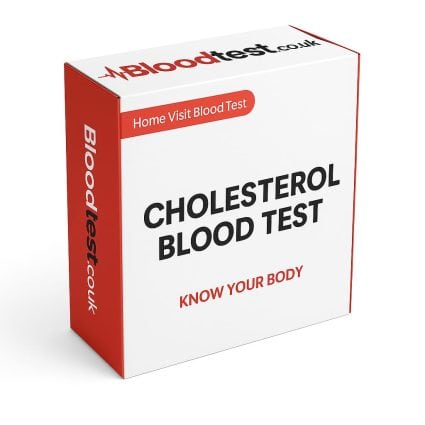
Private Cholesterol Blood Test in Watford: The primary aim of a cholesterol blood test in Watford is to meticulously assess the levels of different lipids circulating in your bloodstream, particularly focusing on HDL (high-density lipoprotein, commonly referred to as good cholesterol) and LDL (low-density lipoprotein, often labelled as bad cholesterol). This vital procedure is carried out across numerous healthcare facilities in the UK and serves as a preventive measure to uncover potential cardiovascular risks at an early stage.

By facilitating ongoing monitoring of cardiovascular health, these tests are in accordance with <a href="https://limitsofstrategy.com/battlefield-acupuncture-nhs-endorsed-quick-relief-solution/">NHS</a> guidelines recommending regular health evaluations. For instance, individuals identified as at risk can receive guidance towards vital lifestyle modifications or medical treatments that significantly reduce the probability of developing serious heart-related conditions.
What Lifestyle Factors Have a Profound Impact on Cholesterol Test Outcomes?
Several lifestyle choices can significantly affect the results of a cholesterol blood test in Watford. Diet is a critical factor: consuming foods high in saturated fats, trans fats, and dietary cholesterol can raise LDL levels, while integrating foods rich in omega-3 fatty acids can help increase HDL levels.
Additionally, engaging in regular exercise and maintaining a healthy body weight are essential for effective cholesterol management. To ensure the most accurate test results, individuals are advised to fast for at least 9-12 hours before their appointment. Moreover, remaining well-hydrated and abstaining from alcohol for a few days prior to the test can significantly enhance the reliability of the results.
What Procedures Are Followed at Local Testing Facilities for Cholesterol Testing?
In Watford, various healthcare establishments employ qualified healthcare professionals who strictly adhere to established protocols for conducting cholesterol testing. The process typically begins with a straightforward blood draw, performed in compliance with UK health regulations to ensure accurate results and prioritise patient safety.
Blood samples are collected in a sterile environment following rigorous hygiene protocols. After collection, these samples are swiftly dispatched to a laboratory for detailed analysis, where they are evaluated for different lipid levels. This meticulous approach aims to maximise the accuracy of results and provide patients with timely insights into their cardiovascular health.
How Can Patients Effectively Understand Their Cholesterol Test Results?
Understanding cholesterol test results in Watford necessitates a comprehensive knowledge of HDL, LDL, and total cholesterol levels. Elevated LDL and lowered HDL levels can indicate a heightened risk of heart disease. Patients should collaborate closely with their GPs to fully grasp their results, as healthcare professionals are equipped to provide personalised recommendations to address any irregularities.
According to NHS guidelines, individuals should strive for an LDL level below 3 mmol/L and an HDL level above 1 mmol/L to promote optimal cardiovascular health. Regular consultations with healthcare providers can ensure patients stay well-informed about their cardiovascular risk and the crucial measures needed to mitigate it.
What Advantages Does Regular Cholesterol Screening Offer?
Regular cholesterol testing in Watford offers a multitude of benefits, particularly by enabling the early detection of cardiovascular issues. This practice aligns with UK health initiatives aimed at extending lifespan and enhancing public health outcomes. By consistently monitoring cholesterol levels, individuals can identify trends that may necessitate lifestyle changes or medical interventions.
Early detection significantly decreases the likelihood of severe health events, such as heart attacks and strokes. NHS experts recommend that adults aged 40 and above undergo cholesterol screening every five years, emphasising its importance as a fundamental aspect of preventive healthcare.
How is Cholesterol Blood Testing Conducted in Watford?
What Are the Specific Steps Involved in the Cholesterol Testing Procedure?
The process for a cholesterol blood test in Watford follows a clearly defined sequence, beginning with a straightforward blood draw that typically lasts less than 10 minutes. Patients are generally advised to fast for 9-12 hours prior to the test to ensure accurate measurements of HDL and LDL cholesterol levels. Once the blood sample is collected, it is promptly sent to a laboratory for meticulous analysis.
Modern laboratories utilise advanced techniques to accurately assess lipid levels, providing comprehensive insights into a patient’s cardiovascular health. Subsequently, healthcare providers analyse the results and discuss them with the patient, outlining available treatment options or necessary lifestyle modifications.
What Equipment and Techniques Are Employed at Local Clinics for Cholesterol Testing?
Clinics in Watford are equipped with state-of-the-art technology and protocols that comply with national healthcare standards for cholesterol testing. Tools such as spectrophotometers and lipid analysers are commonly used to ensure precise cholesterol level measurements. These instruments are calibrated according to UK standards, guaranteeing consistent and reliable test results.
Furthermore, laboratories can conduct multiple tests simultaneously, which accelerates testing and enhances the overall patient experience. By employing cutting-edge technology, healthcare providers in Watford are dedicated to delivering the highest quality of care.
What Challenges May Arise During the Cholesterol Testing Process?
While cholesterol testing is generally a straightforward procedure, various challenges can occur that may affect the accuracy of results. One prevalent issue is adherence to fasting requirements; failing to do so can lead to misleading results. Additionally, complications such as difficulty accessing veins can hinder blood draws, especially in individuals with small or deeply situated veins.
Therefore, adequate preparation is vital. Patients are encouraged to discuss any concerns with their healthcare provider prior to their appointment to ensure a smoother testing process and more reliable results.
Expert Opinions on Cholesterol Blood Testing in Watford
Why Do Health Professionals Advocate for Regular Cholesterol Testing?
Healthcare specialists in the UK strongly recommend annual cholesterol assessments primarily to monitor fluctuations in cholesterol levels and avert severe health issues, such as strokes and heart attacks. Regular testing offers numerous advantages, including:
- Early identification of high cholesterol concerns.
- Proactive management of cardiovascular health.
- Personalised health recommendations based on test outcomes.
- Increased motivation for lifestyle changes.
By implementing early intervention strategies, specialists empower patients to make informed health choices, significantly reducing the risks associated with elevated cholesterol levels.
What Innovative Techniques Are Emerging from Recent Research?
In Watford, healthcare practitioners increasingly apply advanced methodologies developed from recent studies to enhance cholesterol management. Techniques such as lipid profiling provide comprehensive insights into lipid levels, allowing for more tailored patient management strategies. These evidence-based practices are supported by leading health authorities to improve diagnostic accuracy and treatment effectiveness.
By incorporating research findings into clinical practice, specialists can deliver a higher standard of care, resulting in improved health outcomes for patients.
How Should Results Be Interpreted with Professional Guidance?
Understanding cholesterol test results requires a nuanced approach, and professionals in Watford are well-equipped to provide the necessary assistance. Guidelines established by UK health authorities dictate how results should be interpreted in the context of individual health profiles. Healthcare providers offer personalised advice that considers each patient’s unique history, including family background and existing health issues. This tailored approach empowers individuals to make informed decisions about necessary lifestyle changes and medical interventions to achieve optimal heart health.
What Role Do Lifestyle Changes Play in Cholesterol Management?
Experts in Watford stress the significant impact of lifestyle modifications on cholesterol levels. According to UK guidelines, reducing saturated fat intake and increasing dietary fibre are critical strategies for attaining healthier cholesterol levels. Regular physical activity also greatly contributes to improved lipid profiles.
For example, adopting a Mediterranean diet, rich in fruits, vegetables, whole grains, and healthy fats, can lead to remarkable enhancements in cholesterol management. Additionally, local studies suggest that individuals who engage in regular exercise and maintain a balanced diet experience significant improvements in their lipid profiles, ultimately leading to better overall health outcomes.
Evidence-Backed Advantages of Cholesterol Blood Testing in Watford
How Does Testing Improve Overall Health Outcomes?
A cholesterol blood test in Watford acts as a crucial instrument for detecting elevated cholesterol levels at an early stage. Early detection allows individuals to embark on preventive measures that effectively decrease their risk of heart disease. By taking proactive actions, patients can implement lifestyle changes, increase physical activity, and, if necessary, commence medications as prescribed by their healthcare providers. These actionable strategies are not only beneficial but vital for enhancing long-term cardiovascular health and minimising the risk of serious health incidents.
What Long-Term Benefits Do Patients Experience from Regular Testing?
Consistent monitoring of cholesterol levels in Watford yields substantial long-term advantages for patients. Research indicates that regular tracking and effective management of cholesterol levels can significantly lower cardiovascular incidents within the local population. Patients who maintain ongoing engagement with their healthcare providers over extended periods generally report improved health outcomes, including reduced rates of heart attacks and strokes. This preventive approach is especially advantageous for individuals with a family history of heart disease or other risk factors that necessitate closer surveillance.
When Should Follow-Up Cholesterol Tests Be Scheduled?
Based on initial test results, UK guidelines recommend follow-up cholesterol tests at intervals tailored to an individual's risk profile. For those in low-risk categories, testing every five years may suffice; however, individuals identified as high-risk might require more frequent assessments, potentially on an annual basis. These guidelines aim to ensure that significant changes in cholesterol levels are detected promptly, allowing for timely interventions. Regular follow-ups facilitate monitoring progress and reinforce the importance of maintaining a healthy lifestyle.
What Impact Does Cholesterol Testing Have on Community Health in Watford?
Implementing cholesterol blood tests plays a pivotal role in enhancing community health in Watford. By enabling early detection and management of high cholesterol levels, these tests significantly decrease hospitalisation rates for heart-related issues. Studies conducted by UK health authorities reveal that communities engaged in regular cholesterol screening initiatives show improved overall health metrics. This collaborative effort fosters a healthier population, ultimately relieving the pressure on the healthcare system and enhancing the quality of life for residents.
What Are the Extensive Benefits of Cholesterol Blood Testing in Watford?
How Does It Contribute to Preventive Healthcare?
Routine cholesterol testing empowers Watford residents to adopt a proactive stance towards their cardiovascular health. By identifying high cholesterol levels early, individuals can manage their condition through dietary adjustments and medications, aligning with UK public health initiatives focused on disease prevention. This proactive strategy not only enhances individual health outcomes but also promotes the overall well-being of the community. Regular testing cultivates a culture of health awareness, motivating individuals to make informed lifestyle choices.
What Are the Cost and Accessibility Options Available for Testing?
In Watford, NHS services ensure that cholesterol testing is accessible to a wide range of residents. Many clinics offer these tests free of charge, ensuring that financial barriers do not impede access to essential health services. Additionally, private clinics provide alternatives for those seeking expedited results or specialised care, catering to diverse needs and budgets. This variety of service options guarantees that every individual can safely and regularly monitor their cholesterol levels.
What Personal Success Stories Highlight Health Improvements?
Numerous UK residents have shared positive health outcomes resulting from regular cholesterol testing. These personal accounts often underscore how early detection prompted significant lifestyle changes, leading to enhanced cholesterol management and improved quality of life. For instance, many individuals report increased vitality and overall well-being following dietary modifications based on their test results. These testimonials serve as compelling reminders of the critical importance of monitoring cholesterol levels and taking proactive steps toward better health.
Effective Strategies for Cholesterol Blood Testing in Watford
How Can You Efficiently Prepare for Your Cholesterol Appointment?
Preparation is key to ensuring accurate results from a cholesterol blood test in Watford. Following UK guidelines, patients should fast for no less than 9-12 hours prior to their appointment. This fasting window is crucial for eliminating food-induced variations in cholesterol levels, leading to more dependable results. Additionally, it is advisable to inform healthcare providers about any medications currently being taken, as some may affect cholesterol measurements. By following these guidelines, patients can optimise the effectiveness of their tests.
What Steps Should Be Taken After Receiving Test Results?
Upon receiving results from a cholesterol blood test, it is vital for patients to consult with their local GPs to develop tailored health strategies. This may involve lifestyle changes, such as dietary adjustments and increased physical activity, as well as discussions regarding potential medications if cholesterol levels are elevated. Following UK health recommendations equips patients with the knowledge and resources necessary to manage their cholesterol effectively and improve their cardiovascular health.
How Can You Incorporate Test Results into Your Daily Routines?
Using test results to inform daily habits is an effective strategy for maintaining long-term health in Watford communities. Individuals should consider their cholesterol levels when making choices related to nutrition and exercise. For example, those with elevated LDL levels might opt to include more heart-healthy foods, such as fruits, vegetables, and whole grains, while reducing their intake of saturated fats. By making informed decisions based on their test results, residents can support their long-term health and well-being, fostering a culture of proactive health management.
FAQs
What is the purpose of a cholesterol blood test?
A cholesterol blood test evaluates the levels of LDL, HDL, and total cholesterol in your bloodstream to assess your risk of heart disease.
How frequently should I undergo testing?
It is recommended that adults aged 40 and above have their cholesterol levels evaluated every five years, or more often if they are considered at higher risk.
What preparations are needed prior to the test?
Most patients should fast for 9-12 hours before the test. Staying hydrated by drinking water is encouraged.
What are the target cholesterol levels?
NHS guidelines recommend maintaining an LDL level below 3 mmol/L and an HDL level above 1 mmol/L for optimal heart health.
What actions are recommended if my cholesterol is high?
If your cholesterol levels are elevated, your GP may suggest lifestyle changes or medications to help lower them and mitigate your risk of heart disease.
Are there any potential side effects from the cholesterol test?
The cholesterol blood test is generally safe, but some individuals may experience minor bruising or discomfort at the site of the blood draw.
Can dietary changes effectively manage cholesterol levels?
Yes, a heart-healthy diet rich in fruits, vegetables, whole grains, and healthy fats can significantly assist in lowering cholesterol levels.
Is cholesterol testing provided free of charge by the NHS?
Yes, cholesterol testing is typically offered at no cost through the NHS for eligible patients.
What should I do if there is a family history of high cholesterol?
If a family history of high cholesterol exists, it is advisable to begin testing earlier and consult your GP regarding monitoring and management strategies.
What natural methods can I use to lower my cholesterol?
You can naturally lower cholesterol by adopting a healthy diet, increasing physical activity, quitting smoking, and maintaining a healthy weight.
Connect with us on Facebook!

This Article Was First Found On https://bloodtest.co.uk
The Article Cholesterol Blood Test: Essential Health Guide for Watford Was Found On https://limitsofstrategy.com