Unlocking Vital Insights Through Blood Tests for Stress Levels
Blood Test for Stress Levels: This increasingly popular method has emerged as an invaluable tool for assessing mental well-being, providing essential information regarding the physiological reactions our bodies experience in response to stress. Understanding these reactions allows for a deeper comprehension of one’s mental health status. By employing this testing method, individuals can gather insights into their unique stress responses, enabling them to make informed health decisions that promote better overall well-being.
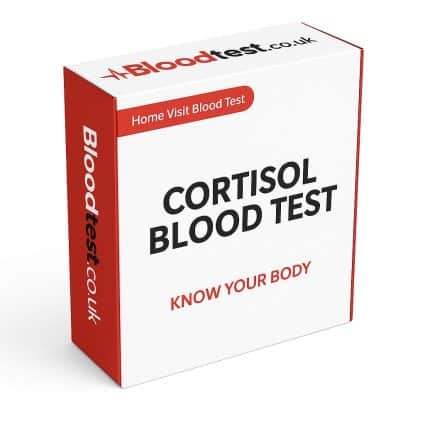

By evaluating specific biomarkers, especially Cortisol, these tests provide significant insights into the unique impact of stress on each individual. This thorough approach empowers individuals to identify their stress levels and take proactive measures to improve their mental health. Recognising stress symptoms through blood testing can motivate individuals to seek necessary support and implement effective coping strategies that enhance their overall mental wellness.
Understanding the Significance of Blood Tests for Stress Levels
A blood test for stress levels is a critical medical assessment that quantifies the concentration of stress hormones in the bloodstream. The hormone most commonly measured is Cortisol, often referred to as the “stress hormone.” Produced by the adrenal glands, Cortisol plays an essential role in regulating the body’s response to stress, influencing many functions, including metabolism and immune response. However, prolonged elevation of cortisol levels can lead to serious health issues, including anxiety, depression, and cardiovascular problems.
These tests can evaluate Cortisol alongside other stress-related biomarkers, such as Adrenaline and DHEA-S (dehydroepiandrosterone sulfate). By analysing these substances, healthcare professionals can assess stress levels and their potential impacts on an individual’s overall health. This objective methodology allows for personalised interventions and effective stress-management strategies tailored to each individual’s specific needs and circumstances.
Exploring the Blood Testing Process for Stress Level Evaluation
Conducting a blood test to evaluate stress levels is generally a straightforward and efficient procedure. Initially, a healthcare professional will sterilise the area from which the blood will be drawn, usually targeting the inner arm or back of the hand. Using a sterile needle, they will collect a blood sample, which is then sent to a laboratory for comprehensive analysis.
In the laboratory, the blood sample is examined for cortisol levels along with other pertinent biomarkers. It is important to understand that cortisol levels can fluctuate throughout the day, typically peaking in the morning and decreasing by evening. Consequently, the timing of the blood draw can significantly influence the results. Tests are often scheduled during periods of heightened stress or following major life changes to ensure the most accurate evaluation possible.
Recognising the Importance of Awareness Regarding Stress Levels
Being aware of one’s stress levels through a blood test is crucial for numerous reasons. Primarily, it empowers individuals to take proactive steps in managing their mental health. Identifying elevated cortisol levels enables individuals to collaborate with healthcare professionals in developing tailored strategies to alleviate stress and improve overall wellness.
Moreover, chronic stress is linked to a variety of health complications, including obesity, diabetes, and heart disease. By utilising blood tests to monitor stress levels, individuals can potentially avert the onset of these conditions. This proactive approach not only enhances the quality of life but can also lead to significant long-term savings on healthcare expenses.
Assessing the Reliability and Precision of Blood Tests for Stress Levels
As the demand for blood tests for stress levels continues to rise, the scrutiny surrounding their accuracy and reliability has also intensified. Understanding these aspects is essential for individuals considering this testing method as part of their stress management strategies.
Evaluating the Precision of Blood Tests for Stress Levels
Blood tests for stress levels are generally regarded as highly accurate. Numerous scientific studies indicate that cortisol measurements effectively reflect an individual’s stress state. Research has shown that blood tests reliably indicate whether cortisol levels fall within a normal range or are significantly elevated or low.
However, as with any medical evaluation, accuracy may be influenced by factors such as the timing of the test and individual biological variability. Therefore, interpreting results should occur within the context of a comprehensive health evaluation, potentially incorporating additional diagnostic tools and clinical assessments to provide a holistic understanding.
Identifying Factors That Influence Blood Test Results
Several factors can impact the outcomes of a blood test for stress levels. For example, the timing of the blood draw is crucial, as cortisol levels usually peak in the morning and decline in the evening. Inconsistent testing times can lead to misleading results.
Additionally, lifestyle choices, such as diet and physical activity, can affect cortisol levels. For instance, caffeine consumption before the test can artificially elevate cortisol, skewing the outcomes. Similarly, vigorous exercise can lead to temporary spikes in Cortisol. Thus, adhering to pre-test guidelines, which may include avoiding caffeine and rigorous physical activity, is vital for obtaining accurate results.
Comparing Blood Tests with Other Stress Measurement Techniques
While blood tests for stress levels offer a more objective measurement than self-reported stress scales, it is crucial to evaluate the strengths and limitations of each approach. Self-reported questionnaires often rely on individuals’ subjective assessments of stress, which can be influenced by mood or recent experiences.
In contrast, blood tests quantitatively assess Cortisol and other biomarkers, providing a more detached perspective on the physiological stress response. This objectivity proves particularly beneficial when formulating treatment plans, allowing healthcare providers to base their recommendations on solid data rather than subjective reports. Ultimately, employing both methods may provide the most comprehensive insights into an individual’s stress levels.
Maximising the Benefits of Blood Tests for Stress Levels in Everyday Life
The implications of a blood test for stress levels extend far beyond clinical environments. They enhance personal health strategies and workplace settings, ultimately fostering improved well-being and heightened productivity.
Customising Individual Approaches to Stress Management
One of the most significant applications of a blood test for stress levels lies in its capacity to inform customised stress management strategies. By gaining insights into their cortisol levels, individuals can adapt their stress-relief approaches more effectively. For example, if testing indicates elevated cortisol levels, one might consider integrating relaxation practices such as meditation, yoga, or deep-breathing exercises into their daily routine.
Moreover, individuals can investigate dietary modifications known to positively influence stress responses. A well-balanced diet rich in omega-3 fatty acids, antioxidants, and whole grains can assist in lowering cortisol levels. By leveraging insights from blood tests, individuals can devise a holistic strategy that combines lifestyle changes and stress-reduction techniques, ensuring a well-rounded approach to managing stress effectively.
Incorporating Stress Monitoring into Workplace Health Initiatives
Employers are increasingly recognising the significance of mental health within the workplace, and blood tests for stress levels can play a pivotal role in cultivating a healthier work environment. By integrating stress testing into corporate wellness initiatives, organisations can gain valuable insights into their workforce’s stressors.
This data can guide targeted initiatives to alleviate workplace stress, such as flexible working arrangements, mental health days, and employee assistance programmes. By prioritising employee well-being, organisations can enhance productivity while fostering improved staff retention and job satisfaction.
Tracking Personal Health Over Time with Blood Testing
Regular blood testing for stress allows individuals to monitor their stress levels over time. This ongoing evaluation can be particularly beneficial for those dealing with chronic stress or undergoing significant life changes. By systematically assessing cortisol levels, individuals can discern patterns and triggers, enabling them to take proactive measures to manage their stress effectively.
Moreover, continuous monitoring empowers individuals to correlate their stress levels with various lifestyle factors, including sleep quality, physical activity, and dietary habits. This comprehensive perspective enriches personal health management and deepens understanding of how different aspects of life intersect with stress.
Key Preparations for an Effective Blood Test for Stress Levels
Proper preparation for a blood test for stress levels is essential to ensure accurate results. Knowing how to prepare before, during, and after the test can significantly influence the outcome and overall experience.
Essential Pre-Test Instructions for Optimal Results
Several important steps should be taken before undergoing a blood test to assess stress levels. It is typically recommended to refrain from consuming caffeine and alcohol for at least 24 hours prior to the test, as these substances can elevate cortisol levels and potentially compromise the results.
Additionally, avoiding strenuous exercise on the day of the test is advisable, as physical activity can temporarily increase cortisol levels. Instead, aim for a restful day leading up to the test to ensure your results accurately reflect your baseline stress levels.
What Can I Expect During the Blood Test Procedure?
Taking a blood test to measure stress levels is typically a quick and straightforward process. Once the healthcare provider disinfects the site, they will insert a needle into a vein to collect the blood sample. Most individuals report only minor discomfort during the draw, which lasts for a brief moment.
After the blood sample is collected, it will be sent to a laboratory for analysis. The entire procedure usually takes only a few minutes, allowing individuals to resume their daily activities with minimal interruption.
Post-Test Care and Important Follow-Up Steps
After completing a blood test for stress levels, it is crucial to discuss the results with a healthcare provider. Understanding what the results indicate in the context of your overall health is essential. Your healthcare provider can assist in interpreting the findings, enabling you to create a personalised stress management plan tailored to your specific needs.
If your cortisol levels fall outside the normal range, further testing or interventions may be necessary. Your provider might recommend lifestyle changes, counselling, or other therapeutic options to help you effectively manage your stress levels.
Scientific Principles Underpinning Blood Tests for Stress Levels
Understanding the scientific principles behind blood tests for stress levels can deepen our appreciation of their relevance in contemporary healthcare. Exploring the roles of various hormones and the latest advancements in testing technology highlights the evolving methods of stress assessment.
The Essential Role of Cortisol in Stress Measurement
Cortisol is the primary hormone evaluated in blood tests for stress levels and plays a pivotal role in the body’s response to stress. Commonly referred to as the “fight or flight” hormone, Cortisol is integral to regulating metabolism, immune responses, and blood pressure. Under normal circumstances, cortisol levels fluctuate throughout the day, peaking in the morning and gradually diminishing.
However, chronic stress can result in persistently elevated cortisol levels, contributing to various health issues, including anxiety, depression, and cardiovascular disease. Recognising Cortisol’s role in the body helps individuals understand the importance of monitoring their stress levels and seeking appropriate interventions.
Additional Biomarkers for a Comprehensive Assessment
A blood test for stress levels may also evaluate other biomarkers, such as Adrenaline and DHEA-S, in addition to Cortisol. Adrenaline, known for its role in the immediate stress response, can provide insights into acute stress levels. Elevated levels of adrenaline may indicate increased alertness, offering valuable information for stress management.
Conversely, DHEA-S is a hormone produced by the adrenal glands and is often considered a counterbalance to Cortisol. Monitoring DHEA-S levels can provide a more holistic view of an individual’s stress response and overall adrenal health. By considering these additional biomarkers, healthcare providers can gain a deeper understanding of an individual’s stress profile.
Innovations in Stress Measurement Technology
The realm of stress measurement is rapidly progressing, with new technologies making blood tests for stress levels more accessible and less invasive. For example, researchers are investigating saliva and hair samples as alternative approaches for assessing cortisol levels, potentially enabling continuous monitoring without the need for blood draws.
These advancements are particularly promising, as they could lead to at-home testing kits that empower individuals to track their stress levels more frequently and take charge of their mental health. By incorporating technology into stress assessment, we can significantly enhance our understanding of stress and its effects on overall health.
Dispelling Myths About Blood Tests for Stress Levels
Despite the growing recognition of blood tests for stress levels, several myths and misconceptions persist. Addressing these misunderstandings can empower individuals to make informed health decisions.
Is the Blood Test Painful? Addressing Common Concerns
A prevalent concern regarding blood tests for stress levels is the fear of pain. While the thought of a needle can be daunting, most individuals report only minor discomfort during the blood draw. The procedure is quick, typically lasting just a few seconds, and any discomfort experienced is temporary.
For those who experience significant anxiety about needles, discussing these feelings with the healthcare provider beforehand can be beneficial. They can offer reassurance and strategies to minimise discomfort during the procedure.
Can Stress Levels Be Effectively Managed Without Testing?
While it is possible to manage stress without a blood test, testing provides objective data that can greatly enhance stress management strategies. Without testing, individuals may depend solely on subjective evaluations of their stress levels, which can lead to misinterpretations regarding their mental health.
By gaining a clear understanding of cortisol levels, both individuals and healthcare providers can formulate more effective strategies tailored to specific stress responses. Therefore, while not strictly necessary, testing offers valuable insights that can lead to more successful stress management.
Are Test Results Kept Confidential? Understanding Privacy Concerns
Concerns regarding privacy and confidentiality are valid in the context of medical testing, including blood tests for stress levels. Medical confidentiality laws exist to protect patient information, ensuring that test results remain private.
Healthcare providers are legally required to maintain the confidentiality of your health information, and results are typically shared only with you and individuals you authorise. If you have any concerns regarding confidentiality, do not hesitate to inquire with your provider about their policies.
Emerging Trends and Innovations in Blood Tests for Stress Levels
The landscape of blood tests for stress levels is evolving rapidly, with new trends and innovations poised to transform stress management strategies.
At-Home Testing Kits: A Groundbreaking Development
One of the most exciting advancements in this field is the potential for at-home stress testing kits. Imagine the ability to monitor your cortisol levels from the comfort of your home, gaining real-time insights into your stress response. Such technologies would enhance accessibility, empowering more individuals to take control of their mental health.
These kits could function similarly to glucose monitors, providing instant feedback on stress levels and alerting users when action is necessary. The convenience of at-home testing could also increase awareness and encourage proactive stress management.
Integration with Wearable Technology: The Future of Health Monitoring
As technology continues to advance, the integration of blood tests for stress levels with wearable devices is becoming increasingly feasible. Imagine a smartwatch that not only tracks your physical activity and sleep quality but also monitors your stress hormones in real time.
This integration could yield invaluable insights, enabling users to correlate their stress levels with daily activities and identified stressors. Real-time data could empower individuals to make immediate adjustments to their routines, fostering a proactive approach to effective stress management.
Personalised Medicine Approaches for Enhanced Stress Management
The future of stress management may also trend towards personalised medicine, where treatment plans are customised based on individual stress biomarkers. Healthcare providers could formulate tailored strategies that address each individual’s unique stress profile through analysis of specific hormone levels.
This personalised approach holds great potential to improve treatment outcomes and develop more effective stress-management strategies. As research progresses, we may witness a shift towards more targeted interventions based on individual hormonal responses.
Real-Life Success Stories: The Positive Impact of Blood Tests for Stress Levels
As more individuals and organisations recognise the value of blood tests for stress levels, real-life case studies showcase the positive effects of these assessments on mental health and overall well-being.
Transformative Corporate Wellness Programme: A Case Study
One organisation implemented a wellness programme that included regular blood tests to assess stress levels within the corporate setting. The findings indicated that many employees exhibited elevated cortisol levels correlated with extended working hours and high job demands.
In response, the company introduced flexible working hours and stress-reduction workshops. Over time, employee well-being improved significantly, as evidenced by reduced stress levels and enhanced productivity. This case study illustrates the potential of stress testing to promote healthier workplace environments.
A Personal Journey: Overcoming High Stress for a Healthier Life
One individual’s journey exemplifies the transformative power of a blood test for stress levels. After experiencing chronic stress and burnout, they opted for testing. The results revealed alarmingly high cortisol levels, prompting them to seek guidance from a healthcare provider.
Armed with this knowledge, they adopted a holistic approach to stress management, incorporating mindfulness practices, dietary changes, and regular exercise. Over time, follow-up tests displayed significant improvements in cortisol levels, leading to a more balanced lifestyle. This personal success story underscores the importance of assessing stress through objective metrics.
Research Findings: Correlation with Mental Health Outcomes
A recent research study underscored the beneficial effects of regular blood tests for stress levels on mental health outcomes. Participants who engaged in consistent testing and adhered to tailored stress management programmes reported notable reductions in anxiety and depression symptoms.
This study reinforces the idea that objective measures of stress can enhance treatment efficacy, resulting in improved mental health outcomes. By integrating blood tests into comprehensive mental health care, individuals can more effectively manage stress and elevate their quality of life.
Addressing Common Questions About Blood Tests for Stress Levels
How Often Should I Get Tested for Stress Levels?
The frequency of stress testing varies depending on individual health goals and stress-management needs. Those experiencing chronic stress may benefit from quarterly testing, while others may find less frequent testing adequate based on their circumstances.
Can I Request a Blood Test for Stress Levels from My Doctor?
Absolutely! You can discuss your interest in a blood test for stress levels with your healthcare provider. They will assess your situation and determine if testing is appropriate for your needs.
What Do the Results of a Blood Test for Stress Levels Indicate?
The results of a blood test for stress levels reveal your cortisol levels, providing insights into how your body responds to stress. Elevated levels may suggest increased stress, while normal levels indicate effective stress management.
Are There Any Risks Associated with Blood Tests?
The risks linked to a blood test for stress levels are minimal. The most common side effects include slight bruising or discomfort at the needle site. Serious complications are rare and generally not a major concern.
How Can I Prepare for the Test?
Yes, preparation is essential for obtaining accurate results. For at least 24 hours before the test, avoid caffeine and strenuous exercise, and maintain a calm demeanour to prevent temporary spikes in Cortisol.
What Should I Do If My Results Are Abnormal?
If your blood test for stress levels indicates abnormal results, it is crucial to discuss this with your healthcare provider. They can help interpret the findings and suggest appropriate lifestyle changes or further testing.
Are There Alternatives to Blood Tests for Measuring Stress Levels?
Yes, alternatives to blood tests for stress levels include saliva and hair tests that assess Cortisol. However, blood tests are widely regarded as one of the most reliable methods for evaluating stress hormones.
Do I Need a Referral to Get Tested?
A referral may not be necessary to order a blood test for stress levels, but this can depend on your healthcare provider’s policies and your insurance plan. It is advisable to check with your provider in advance.
Can Chronic Stress Affect My Physical Health?
Absolutely! Chronic stress can lead to various physical health problems, including heart disease, obesity, and compromised immune function. Monitoring stress levels through blood tests can help mitigate these risks effectively.
What Other Strategies Can I Use to Manage Stress?
In addition to tracking stress levels with blood tests, effective stress management techniques include mindfulness practices, yoga, regular exercise, maintaining a balanced diet, and seeking professional assistance when necessary.
Connect with us on Facebook!
This Article Was First Found On https://bloodtest.co.uk
The Article Blood Test for Stress Levels: Revolutionizing Wellness Insights Was Found On https://limitsofstrategy.com