Comprehensive Examination of Dairy Intolerance Challenges in Basingstoke
Identifying Local Factors Contributing to Dairy Intolerance
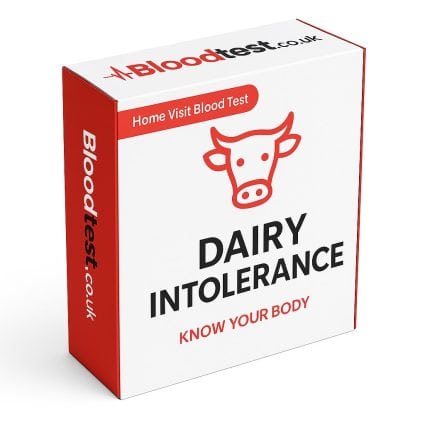
Private Dairy Intolerance Test in Basingstoke: In Basingstoke, a significant factor contributing to dairy intolerance is the insufficient production of lactase, which is the critical enzyme required for digesting lactose, the sugar found in dairy products. When the body produces inadequate levels of lactase, it can lead to a range of digestive issues, with symptoms such as bloating, gas, and abdominal discomfort frequently occurring after dairy consumption. Local healthcare professionals are dedicated to providing targeted diagnostic evaluations aimed at identifying these specific triggers. Early detection of lactase deficiency empowers residents to manage their symptoms more effectively, significantly enhancing their quality of life. By making informed dietary choices, individuals can alleviate discomfort and improve their overall health.

Recognising the signs associated with dairy intolerance is essential for timely intervention. Critical symptoms to observe include:
- Bloating after dairy consumption
- Abdominal pain or cramps
- diarrhoea or loose stools
- nausea sensations
- Flatulence issues
- Fatigue following dairy intake
- Headaches or migraines
Being aware of these symptoms encourages individuals to seek timely medical advice and necessary testing, ensuring a proactive approach to health management.
Key Symptoms to Observe Within the Local Community
Residents of Basingstoke should maintain awareness of common signs of dairy intolerance, which are often mistaken for allergies. Symptoms such as bloating and stomach distress following dairy intake are frequently reported, leading local health professionals to emphasise the importance of monitoring these indicators closely. Such vigilance is crucial to preventing potential long-term health complications, driving individuals to pursue accurate testing and diagnosis.
In addition to bloating and abdominal discomfort, individuals may encounter other symptoms that require attention. This includes instances of diarrhoea that may occur shortly after dairy consumption, as well as fatigue that seems disproportionate to daily activities. It is essential to distinguish between lactose intolerance and dairy allergies; allergies involve immune responses, while lactose intolerance primarily affects digestive processes. Therefore, being able to identify these symptoms can lead to timely medical intervention, which is vital for effective health management.
Exploring Local Testing Options for Dairy Intolerance
Basingstoke is home to numerous clinics that specialise in testing for dairy intolerance, catering to the local population while collaborating with NHS services. Common diagnostic methods include breath tests that measure hydrogen levels in the breath after lactose ingestion, alongside blood tests that assess the body’s reaction to lactose. These techniques aim to provide accurate and actionable diagnoses, enabling healthcare professionals to devise personalised treatment strategies that alleviate discomfort and enhance daily well-being for those affected.
Patients pursuing testing services in Basingstoke can benefit from consultations that clarify their options. These tests not only confirm lactose intolerance but also rule out other gastrointestinal conditions that may present similar symptoms. With accessible tailored testing services, residents are empowered to take charge of their health, enabling informed dietary decisions that foster healthy lifestyle changes.
What Does the Dairy Intolerance Testing Process Entail?
Detailed Overview of Testing Methodologies
A standard dairy intolerance test administered in Basingstoke involves a carefully monitored process in which an individual consumes a defined amount of lactose. Typically conducted within a clinical setting, this assessment allows healthcare professionals to closely observe and document the patient’s reactions. A series of breath samples or blood tests is collected at predetermined intervals to evaluate the body’s response, enabling an accurate assessment of the level of intolerance.
This systematic testing framework is designed to provide precise insights into how the body metabolises lactose. The results not only determine whether an individual is lactose intolerant but also aid in gauging the severity of their condition. Understanding these levels is crucial for developing effective management strategies, allowing healthcare professionals to offer personalised advice and dietary recommendations that support overall health improvement.
Essential Preparations for Your Local Dairy Intolerance Test
Preparing for a dairy intolerance test in Basingstoke is straightforward, yet ensuring reliable results is paramount. Residents are generally advised to abstain from consuming dairy products for 24 to 48 hours prior to the test, in accordance with UK health guidelines. This dietary adjustment is critical as it minimises the risk of false-positive outcomes, thereby facilitating a dependable diagnosis.
In addition to avoiding dairy, patients might also need to refrain from certain medications that could interfere with digestive processes, such as probiotics and antibiotics. Individuals should engage in open discussions with their healthcare providers regarding any medications they are currently taking. Adhering to these preparation protocols enhances the testing experience, resulting in more accurate outcomes and better strategies for managing symptoms.
Understanding Results and Following Health Management Steps
Once testing is completed in Basingstoke, results are typically reviewed in a consultation with local healthcare professionals, who discuss findings and recommend necessary dietary changes. This essential step empowers individuals to make informed decisions regarding their dietary habits. The test results will guide specific dietary recommendations in line with UK health standards, promoting long-term symptom relief and enhancing overall well-being.
After the delivery of test results, healthcare practitioners often take the opportunity to educate patients about lactose intolerance and its effective management. This educational component is vital for fostering a comprehensive understanding of how to navigate necessary dietary changes successfully. Patients may receive personalised dietary plans that highlight suitable dairy alternatives, ensuring their nutritional needs are met while avoiding triggers. This holistic approach not only alleviates immediate discomfort but also encourages sustained well-being over time.
Investigating the Underlying Causes of Dairy Intolerance
In the UK, dairy intolerance is primarily linked to lactose malabsorption, a condition in which the body lacks the enzymes needed to digest lactose found in dairy products. For those living in Basingstoke, identifying symptoms such as bloating, diarrhoea, and cramping is essential. Understanding the underlying causes facilitates early detection, enabling tailored management strategies that can greatly improve quality of life.
Individuals may experience varying degrees of intolerance, with some able to tolerate small amounts of lactose without significant issues, while others may react adversely even to minimal exposure. Recognising these differences is crucial for formulating effective management plans that empower individuals to make informed dietary choices and maintain their overall health.
Insights on Dairy Intolerance Testing in Basingstoke
Clarifying Common Misunderstandings Surrounding Dairy Intolerance
Numerous misconceptions surrounding dairy intolerance require clarification, particularly regarding the distinction between lactose intolerance and dairy allergies. In Basingstoke, many individuals mistakenly equate these two conditions, resulting in unnecessary dietary restrictions. Lactose intolerance is primarily a digestive issue, whereas dairy allergies involve the immune system’s response to dairy proteins, which can induce more severe symptoms.
Understanding these differences is crucial for appropriate testing and management. While lactose intolerance can often be mitigated through dietary changes, dairy allergies may necessitate complete avoidance of all dairy products. Dispelling these misconceptions encourages residents to pursue accurate testing and avoid misguided dietary limitations, ultimately enhancing their health management strategies and improving their quality of life.
Leveraging Advanced Diagnostic Techniques for Accurate Results
Clinics in Basingstoke utilise cutting-edge diagnostic methods to accurately identify dairy intolerance. Techniques include sophisticated breath testing, which has gained popularity due to its non-invasive nature and rapid results. Recent advancements in technology have also improved blood test accuracy, making them more reliable for assessing lactose malabsorption.
These modern techniques are supported by ongoing research within the UK healthcare framework, emphasising the importance of evidence-based practices in diagnostic procedures. As a result, clinics in Basingstoke are well-equipped to provide precise advice and recommendations based on accurate diagnostic results, ultimately refining health management strategies for individuals dealing with lactose intolerance.
Long-Term Management Strategies for Effective Control of Dairy Intolerance
Real-life experiences from Basingstoke underscore the importance of sustainable long-term management strategies for individuals diagnosed with dairy intolerance. UK specialists advocate for a multifaceted approach that includes dietary adjustments, education, and ongoing support. For instance, local case studies indicate that individuals who incorporate alternative sources of calcium and vitamin D, such as fortified plant-based milks and leafy greens, report significant improvements in their overall health and quality of life.
Regular monitoring and follow-up consultations are vital elements of this management process. Continuous engagement with healthcare professionals allows individuals to adapt their diets as necessary and receive reinforcement that supports positive lifestyle changes. This proactive method to long-term management not only alleviates symptoms but also fosters a sense of empowerment and control over one’s health.
Evidence-Based Advantages of Dairy Intolerance Testing in Basingstoke
Improvements in Daily Health Following Dairy Intolerance Testing
Testing for dairy intolerance in Basingstoke can result in considerable enhancements in daily health, as evidenced by various UK research studies. Many individuals report improved digestive health following diagnosis and after implementing necessary dietary changes. The alleviation of symptoms such as bloating and abdominal pain often leads to increased energy levels, enabling individuals to engage more fully in their daily responsibilities and activities.
The benefits of testing extend beyond immediate symptom relief. Once individuals understand their intolerances and adjust their diets accordingly, they frequently report a renewed sense of vitality and well-being. This evidence-based improvement encourages proactive health management practices, fostering a healthier community where individuals thrive free from unrecognised dietary challenges.
Facilitating Dietary Changes Through Testing
Local studies in Basingstoke indicate that dairy intolerance testing enables personalised dietary changes that adhere to UK nutritional standards. Following a diagnosis, individuals gain valuable insights into which foods to avoid and which alternatives can provide essential nutrients without causing discomfort. This tailored approach is critical in preventing complications arising from untreated intolerance.
As individuals discover suitable substitutes, they often relish the opportunity to explore new culinary experiences. Many report success with lactose-free dairy options or plant-based alternatives that not only satisfy their nutritional requirements but also enhance their culinary adventures. Through a combination of education and practical dietary modifications, testing empowers individuals to maintain sustained well-being while enjoying a diverse array of foods.
Preventive Health Benefits of Early Dairy Intolerance Testing
Research indicates that early testing for dairy intolerance in Basingstoke significantly reduces the risk of chronic health issues, aligning with UK health policies that advocate for preventive care. By promptly identifying intolerances, individuals can mitigate potential complications, ensuring a more proactive approach to their overall health.
Addressing intolerance early enables timely dietary adjustments that can prevent long-term digestive problems and their associated health repercussions. Individuals who undergo early testing often lead more active lifestyles, unburdened by chronic discomfort. This preventive advantage not only enhances individual health but also contributes to a more health-conscious community.
Economic Benefits of Dairy Intolerance Testing
Numerous studies in Basingstoke highlight that dairy intolerance testing is economically beneficial, reducing long-term healthcare costs. By facilitating early interventions, individuals can avoid expensive treatments for unresolved symptoms, thereby fostering economic resilience within the local community.
Moreover, testing enhances workplace productivity, as individuals who effectively manage lactose intolerance are less likely to miss work due to health issues. This positive impact on the local economy underscores the extensive advantages of prioritising health and well-being through proactive testing and management strategies.
Improvements in Psychological Well-Being Following Testing
Research conducted in Basingstoke demonstrates a direct correlation between dairy intolerance testing and improvements in psychological well-being. Many individuals experience heightened stress and anxiety stemming from persistent digestive symptoms. By addressing these issues through testing and tailored dietary plans, individuals can alleviate the mental strain associated with ongoing discomfort.
Enhancing emotional health by managing lactose intolerance not only improves individual quality of life but also positively affects relationships and social interactions. Many individuals report a more optimistic outlook as they gain control over their symptoms, resulting in greater involvement in both personal and professional realms. Supporting mental health in this manner aligns seamlessly with UK mental health initiatives, fostering a holistic approach to overall well-being.
What Are the Benefits of Undergoing Dairy Intolerance Testing?
Significant Quality of Life Improvements Through Testing
Testing for dairy intolerance in Basingstoke can yield substantial symptom relief, allowing individuals to participate more fully in their daily lives. With a clear understanding of their intolerance and practical dietary adjustments made, many report enhanced involvement in social and recreational activities. This transformation underscores the profound effects that effective testing and management can exert on overall physical and emotional health.
Moreover, effective symptom management fosters greater empowerment. Individuals can navigate their food choices with confidence, enabling them to enjoy meals and social gatherings without the anxiety of potential adverse reactions. This heightened quality of life creates a positive cycle, promoting further engagement and happiness in everyday activities.
Cost-Effective Health Solutions Through Testing
Testing for dairy intolerance in Basingstoke represents a cost-effective health solution over time. When individuals receive accurate diagnoses and tailored dietary guidance, they can circumvent the ongoing medical expenses associated with untreated lactose intolerance. UK data supports the assertion that early testing facilitates timely interventions, significantly minimising costs related to managing chronic symptoms.
By prioritising health through testing, individuals can uphold their well-being without compromising their financial stability. This proactive approach not only yields personal health benefits but also strengthens the community’s broader economic resilience, emphasising the importance of investing in health initiatives that benefit everyone.
Advancing Family and Community Health through Testing
Testing for dairy intolerance plays a vital role in enhancing family health in Basingstoke. Many families may share similar intolerances, and identifying these through testing fosters a supportive environment for necessary dietary adjustments. According to UK family health strategies, such collective awareness promotes improved health outcomes and strengthens social interactions among family members.
As families adopt shared dietary practices, they cultivate an atmosphere of understanding and support, enhancing overall health. This communal approach benefits individual health while simultaneously reinforcing family bonds and social connections, highlighting the significance of collective health management within the community.
Enhanced Nutritional Guidance Following Testing
In Basingstoke, dairy intolerance testing provides individuals with personalised nutritional advice in line with UK health guidelines. Following diagnosis, individuals receive dietary plans that emphasise balanced nutrition while avoiding dairy triggers. This customised guidance assists individuals in maintaining optimal health and preventing potential nutritional deficiencies.
Focusing on dietary balance ensures that individuals can still enjoy a variety of foods without jeopardising their health. Nutritionists and healthcare providers can recommend suitable alternatives, allowing individuals to explore new flavours and culinary experiences. This enriching approach to nutrition not only promotes health but also supports a satisfying and enjoyable relationship with food.
Preventing Chronic Health Issues Through Early Testing
Testing for dairy intolerance in Basingstoke aids in the early detection of potential health issues, ultimately preventing chronic conditions. Supported by UK medical research, this proactive stance significantly reduces long-term health risks associated with untreated lactose intolerance. By identifying intolerances and adjusting diets accordingly, individuals can maintain better overall health and enhance their quality of life.
Addressing dairy intolerance early creates a ripple effect, improving digestive health and minimising the risk of complications. This preventive strategy not only benefits individual health but also contributes to a healthier community, fostering a culture of proactive health management and awareness.
Trusted Approaches for Dairy Intolerance Testing in Basingstoke
Identifying Reliable Clinics in the Local Area
In Basingstoke, locating reputable clinics for dairy intolerance testing is crucial for accessing trustworthy care. Local clinics undergo rigorous vetting through UK accreditation processes, guaranteeing safe testing procedures and high-quality patient care. This accreditation provides peace of mind to individuals seeking a diagnosis and management of their intolerance.
Choosing a clinic that prioritises patient safety and comfort is essential. Residents can inquire about clinic credentials, staff qualifications, and patient testimonials to make informed choices about where to pursue testing. This diligence ensures that individuals receive the highest standard of care for their health needs, fostering trust and confidence in the testing process.
Post-Test Support Services Offered
After testing for dairy intolerance in Basingstoke, patients benefit from a variety of post-test support services designed to assist in their recovery and management. These services may include:
- Dietary counselling from UK specialists
- Follow-up consultations for effective symptom management
- Access to nutrition workshops
- Support groups for individuals facing similar conditions
- Online resources and educational materials
- Personalised meal planning services
These resources are designed to provide ongoing guidance and support, helping individuals implement dietary changes that positively impact their health outcomes. Engaging with these services strengthens a commitment to sustained recovery and effective management strategies.
Incorporating Test Results into Daily Life Adjustments
Residents of Basingstoke can seamlessly integrate their dairy intolerance test results into their daily routines by adopting UK-endorsed strategies. This integration involves practical methods such as meal planning, mindful eating, and exploring new culinary alternatives that suit their dietary needs.
By embracing proactive health habits, individuals can achieve lasting improvements in their overall well-being. Establishing routines that reflect their understanding of lactose intolerance fosters a healthier lifestyle, empowering individuals to make informed choices that enhance their health and happiness. This approach underscores the importance of ongoing engagement in health management and highlights the positive impact of testing on daily life.
Choosing the Most Appropriate Testing Methods
In Basingstoke, selecting the right dairy intolerance test is critical for obtaining accurate results and effective management strategies. The two primary methods are skin prick tests and breath tests, both guided by UK standards to ensure precision. Patients should consult with healthcare professionals to determine the most suitable testing approach based on their symptoms and health history.
Making informed decisions regarding testing methods is vital for accurately understanding lactose intolerance. Individuals who actively participate in selecting their tests can navigate their health journeys more effectively, leading to improved symptom management and enhanced quality of life.
Frequently Asked Questions Regarding Dairy Intolerance
What are the typical symptoms associated with dairy intolerance?
Common symptoms encompass bloating, abdominal cramps, diarrhoea, and nausea following dairy product consumption. Monitoring these symptoms is crucial for accurate diagnosis and effective management.
How is dairy intolerance diagnosed?
Dairy intolerance is typically diagnosed through breath or blood tests that assess the body’s reaction to lactose after ingestion. These tests are performed in clinical environments to ensure accuracy and reliability.
What should I avoid before taking a dairy intolerance test?
Before the test, it is advisable to refrain from dairy products for 24 to 48 hours to ensure accurate results and reduce the risk of false positives.
How long does it take to receive results from a dairy intolerance test?
The duration for receiving results from a dairy intolerance test may vary, but they are generally available within a few days to a week, depending on the specific testing method utilised.
Are there any treatments available for dairy intolerance?
Treatment primarily involves dietary modifications, such as eliminating lactose-containing foods and exploring lactose-free alternatives. Consulting with nutritionists can provide tailored dietary advice that caters to individual needs.
Can dairy intolerance develop later in life?
Yes, dairy intolerance can arise at any stage of life, even in individuals who previously consumed dairy without issues. Changes in digestive health may contribute to the emergence of intolerance.
Is dairy intolerance the same as a dairy allergy?
No, dairy intolerance is distinct from a dairy allergy. Intolerance primarily affects digestion, while allergies involve the immune system and can provoke severe reactions.
How can I manage dairy intolerance within my diet?
Managing dairy intolerance involves identifying and avoiding triggers, exploring lactose-free alternatives, and consulting healthcare providers for personalised dietary guidance tailored to individual needs.
What are the potential long-term effects of untreated dairy intolerance?
Untreated dairy intolerance can lead to chronic digestive issues, poor nutrient absorption, and a diminished quality of life. Early diagnosis and proactive management are essential for prevention and overall health.
Where can I access dairy intolerance testing in Basingstoke?
Residents can find testing services at local clinics that offer specialised testing for dairy intolerance diagnosis, often integrated with NHS services to ensure comprehensive care.
Join us on Facebook today!

This Article Was First Found On https://bloodtest.co.uk
The Article Dairy Intolerance Test: Your Easy Access Guide in Basingstoke Was Found On https://limitsofstrategy.com