If your lawn remains persistently soggy long after the rain has stopped, or if you observe damp patches creeping towards your home, it is critical to understand that this problem often extends beyond mere surface water. Many properties in Wollongong face a more serious challenge that lies beneath the surface. Groundwater accumulates pressure, struggles to escape, and can gradually lead to severe damage to your property, making it vital to address these issues promptly and effectively.
A well-planned French drain system is crucial for effectively addressing these concerns.
French drains are recognised as one of the most dependable and durable solutions for managing groundwater. When designed and installed by professionals, they provide essential protection for lawns, foundations, retaining walls, and entire properties against persistent moisture challenges, ensuring long-term stability and resilience.
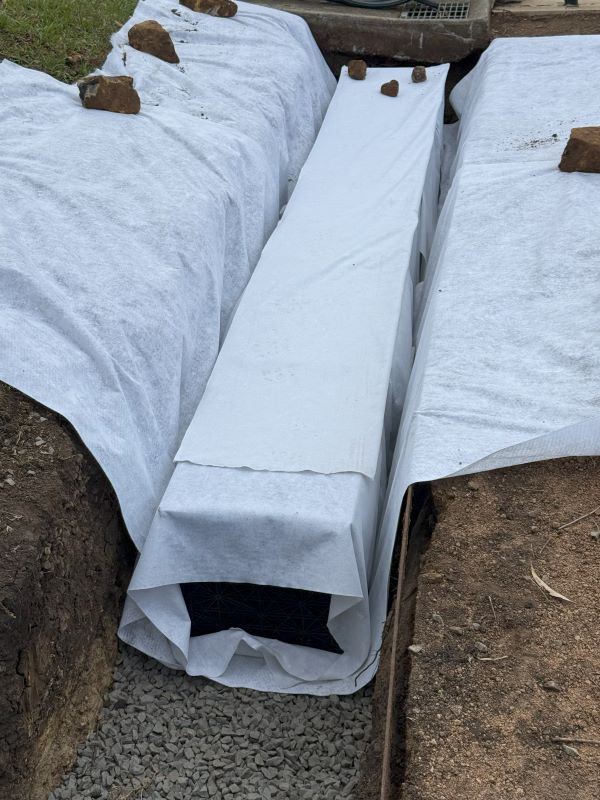
What Is the Detailed Functionality of a French Drain System?
A French drain serves as a specialised subsurface drainage solution, meticulously designed to capture and divert groundwater effectively. It typically comprises a trench lined with permeable fabric, filled with drainage aggregate, and equipped with a perforated pipe that directs water away from critical areas.
As groundwater accumulates in the surrounding soil, it naturally flows into the gravel trench, enters the perforated pipe, and is redirected away from trouble spots to a safe discharge point. This system operates efficiently below ground level, eliminating the need for visible grates or channels, which is particularly advantageous in clay-heavy soils, commonly found in Wollongong and the wider Illawarra region, where moisture management is often a pressing concern.
How Do French Drains Function Effectively Under Real-World Conditions?
French drains are specifically engineered to relieve hydrostatic pressure that can accumulate in saturated soils. When the soil becomes overly saturated, water exerts pressure sideways and upward, often pushing against foundations or retaining walls, which can lead to significant structural problems over time.
An expertly installed French drain:
- Intercepts groundwater before it reaches critical structures, preventing damage
- Reduces moisture levels in the surrounding soil, promoting healthy landscaping
- Minimises pressure against footings and walls, enhancing structural integrity
- Prevents ongoing saturation of lawns and garden beds, improving usability
The overall effectiveness of a French drain largely depends on its correct depth, gradient, and discharge design. Poor installation practices can result in rapid failures and may exacerbate existing problems, highlighting the need for professional expertise in the installation process.
When Is It Time to Consider Installing a French Drain?
French drains are particularly beneficial for properties exhibiting the following conditions:
- Lawns that remain waterlogged for extended periods following rainfall
- Water accumulation along fence lines or adjacent to retaining walls
- Signs of rising damp in footings or lower brickwork, indicating moisture issues
- Subfloor areas that consistently feel damp or musty, suggesting underlying problems
- Sloped blocks where water flows downhill and collects, leading to drainage challenges
These drains are often employed alongside stormwater systems rather than serving as a standalone solution. While stormwater systems manage roof and surface runoff, French drains specifically target groundwater issues that occur beneath the surface, providing a comprehensive approach to water management.

Understanding the Key Differences Between French Drains and Stormwater Drainage Systems
Understanding how these two systems differ is essential for effective water management and problem resolution.
- Handles rainwater runoff from roofs and surface areas, directing it away
- Utilises pits, pipes, and downpipes for efficient water management
- Primarily functions during periods of rainfall, addressing immediate concerns
French drains:
- Effectively manage groundwater issues that can lead to long-term damage
- Operate continuously below ground level, providing ongoing protection
- Help maintain soil stability and protect structural foundations from moisture
Many properties in Wollongong benefit from both systems working together, ensuring a comprehensive approach to preventing water-related challenges and safeguarding investments.
Common Installation Errors in French Drain Systems and How to Prevent Them
French drains can encounter failures due to several common installation mistakes, including:
- Installation at insufficient depth, leading to ineffective drainage
- Laying the system without ensuring adequate fall, which hampers performance
- Failure to wrap the system with geotextile fabric, risking clogs
- Discharge directed into already saturated ground, causing more issues
- Installation performed without a comprehensive understanding of soil behaviour, leading to miscalculations
DIY installations frequently lead to clogs within a few months or simply relocate water from one problematic area to another, ultimately failing to provide a lasting solution and potentially worsening existing drainage issues.
The Importance of Soakwells in Coastal and Sandy Regions for Effective Drainage
In the coastal and sandy areas of Wollongong and the Illawarra, groundwater behaves differently compared to clay-dominated inland regions. Sandy soils allow water to disperse vertically, meaning that soakwells can sometimes provide a more effective solution than French drains or work efficiently alongside them.
A soakwell is an underground structure designed to collect stormwater and facilitate slow infiltration into the surrounding soil. When conditions are optimal, soakwells can significantly reduce surface runoff and alleviate pressure on stormwater systems, enhancing overall drainage performance.
When Are Soakwells Most Efficient for Water Management?
Soakwells are most effective under the following conditions:
- Soil is sandy or possesses excellent drainage capabilities, allowing for quick absorption
- Groundwater levels are significantly below the surface, enabling effective infiltration
- Roof runoff or surface water requires localized dispersal to prevent pooling
- There are limited or no available council discharge points, necessitating alternative solutions
In such scenarios, a soakwell can efficiently absorb water without causing pooling or saturation issues, improving the landscape's usability and health.

When Should You Choose French Drains Over Soakwells for Your Property?
French drains are the ideal choice when:
- Groundwater levels are close to the surface, creating damp conditions
- Lawns remain persistently damp long after rainfall, indicating poor drainage
- Water is moving laterally towards structures, posing a risk of damage
- There are visible signs of rising damp or pressure against footings, signalling moisture issues
French drains actively intercept groundwater and redirect it, while soakwells rely on the surrounding soil's absorption capacity, making each solution suitable for different situations.
The Advantages of Combining Drainage Solutions for Optimal Performance
For many properties in Wollongong, the most effective approach involves integrating multiple drainage solutions:
- Soakwells effectively manage roof runoff and surface water, preventing pooling
- French drains efficiently control subsurface groundwater, reducing pressure
- Stormwater pipes handle overflow during heavy rainfall events, maintaining functionality
This layered system prevents any single drainage component from becoming overwhelmed, ensuring long-term stability and functionality. A professional drainage assessment is crucial, as improper installation of a soakwell in unsuitable soil conditions can exacerbate waterlogging issues instead of resolving them.
Why Professional Expertise Is Essential for Effective Drainage System Design
Every property has unique characteristics that influence how water behaves, including factors such as soil type, slope, existing drainage systems, and rainfall patterns. Understanding these variables is crucial for effective drainage management.
A professional drainage assessment ensures:
- Correct trench depth and precise placement for optimal functionality
- Proper pipe sizing and gradient for effective water flow
- Compliance with local regulations to ensure safe discharge locations
- Seamless integration with existing stormwater systems for optimal performance
This is why French drains should never be viewed as a one-size-fits-all solution; customised design is vital for achieving optimal performance and protecting your property from moisture-related issues.
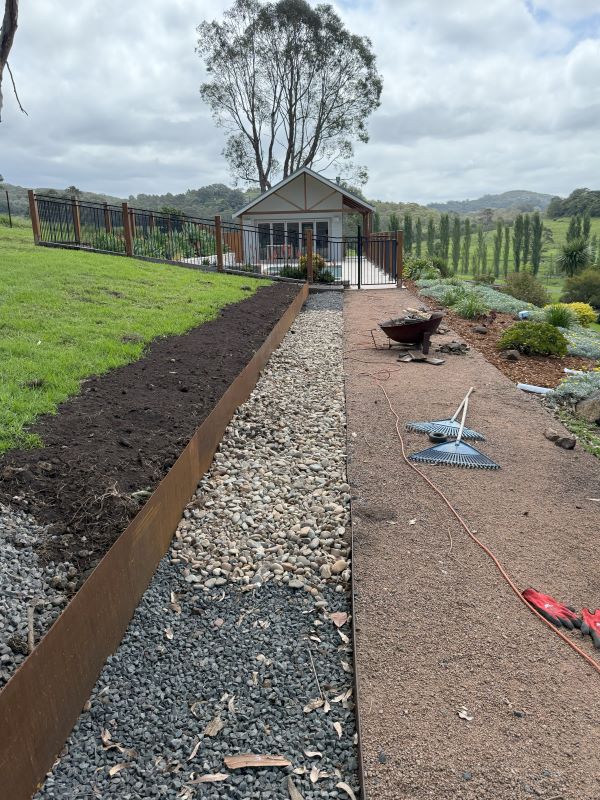
Essential Considerations for Property Owners Regarding French Drains
French drains are not merely a temporary solution; they represent a long-term infrastructure investment for properties confronting groundwater challenges. When installed correctly, they protect your home, enhance the usability of your landscaping, and prevent potentially costly structural issues in the future.
If you find that your garden is perpetually soggy, notice dampness in your footings, or experience recurring drainage problems, it is likely that groundwater is at the core of these issues, necessitating prompt professional intervention.
Common Inquiries Regarding French Drain Systems and Their Effectiveness
1. Are French drains effective for coastal properties with high groundwater levels?
Yes, French drains function efficiently in coastal regions, especially when groundwater presents a significant issue. They excel in scenarios where water moves laterally through soil and accumulates near foundations or retaining walls, providing critical protection.
2. Are soakwells more effective than French drains in sandy soils?
In sandy, free-draining soils, soakwells can be highly effective in dispersing stormwater. However, they do not replace French drains where groundwater levels are elevated or where rising damp presents a challenge. The best system is determined by the specific hydrological behaviour of the site, requiring careful consideration.
3. Can French drains and soakwells work together for enhanced drainage?
Absolutely. Many properties gain substantial benefits from employing both systems. Soakwells are specifically designed to manage roof and surface runoff, while French drains address groundwater management below ground. Together, they create a comprehensive drainage strategy that enhances overall effectiveness.
4. Do French drains need to connect to stormwater systems for optimal performance?
In many cases, yes. French drains typically discharge into stormwater systems, pits, or approved dispersal points. It is paramount that the method of discharge complies with local plumbing regulations and council guidelines in NSW to ensure proper functionality.
5. What is the expected lifespan of well-installed French drains?
When properly installed using the correct fabric, aggregate, and gradient, French drains can last for decades. Failures often occur due to poor design, incorrect depth, or inadequate filtration systems, highlighting the importance of professional installation.
6. Is it feasible to install a French drain as a DIY project?
DIY installations of French drains frequently fail due to improper depth, insufficient slope, or inadequate discharge methods. Engaging a professional for the design and installation is strongly advised to prevent ongoing water issues and potential damage to your property's foundations, ensuring a reliable and effective drainage solution.
French Drains Explained: How They Work and Why Wollongong Homes Need Them
The Article: French Drains Explained: How They Work and Why Wollongong Homes Need Them first appeared on https://writebuff.com
The Article French Drains: Importance and Function for Wollongong Homes Was Found On https://limitsofstrategy.com